Nutrition
Health benefits of Cocoa

- /home/u249204778/domains/spectator.com.gh/public_html/wp-content/plugins/mvp-social-buttons/mvp-social-buttons.php on line 27
https://spectator.com.gh/wp-content/uploads/2022/08/Cocoa.jpg&description=Health benefits of Cocoa', 'pinterestShare', 'width=750,height=350'); return false;" title="Pin This Post">
- Share
- Tweet /home/u249204778/domains/spectator.com.gh/public_html/wp-content/plugins/mvp-social-buttons/mvp-social-buttons.php on line 72
https://spectator.com.gh/wp-content/uploads/2022/08/Cocoa.jpg&description=Health benefits of Cocoa', 'pinterestShare', 'width=750,height=350'); return false;" title="Pin This Post">



Salt, sugar and cooking oil are ordinary parts of many Ghanaian diets. None needs to be treated as an enemy. The concern arises when they are consumed in excessive amounts, often without us realising how much we are actually eating.
The key is not necessarily to eliminate them, but to understand how much we consume, how often we consume them and where they appear in our diets.
Salt contains sodium, an essential nutrient that the body needs. However, consuming too much sodium can raise blood pressure and increase the risk of cardiovascular disease. The World Health Organization recommends that adults consume less than 2,000 mg of sodium per day, equivalent to less than five grams of salt.
Much of the sodium in our diets may come not only from the salt shaker but also from processed and packaged foods, seasoning products, condiments and heavily salted meals.
One simple step is to taste food before automatically adding extra salt. Using herbs, spices, onions, garlic, ginger, peppers and other flavourful ingredients can help meals remain enjoyable without relying entirely on salt.
For people who regularly use packaged seasoning products, checking the label where one is available can also help identify products that contain higher amounts of sodium.
Sugar presents a different but related challenge. Sugary drinks, sweetened tea, confectionery and many processed foods can add substantial amounts of free sugar to the diet.
Drinks deserve particular attention because they can be consumed quickly and may contain considerable amounts of sugar without creating the same feeling of fullness as a meal.
Water is therefore one of the simplest alternatives. Unsweetened drinks can also help people reduce their intake of added sugar. WHO recommends limiting free sugars to less than 10 per cent of total daily energy intake, with further benefits when intake is reduced to below five per cent.
This does not mean that every sweet food has to disappear from the household. It means paying attention to frequency, portion size and everyday habits.
The body needs dietary fat. Fats provide energy and help the body absorb certain vitamins. However, fats are energy-dense, meaning that relatively small amounts contain substantial amounts of energy.
Deep-fried foods can therefore contribute significantly to overall energy intake, particularly when eaten frequently. Fried foods do not automatically become “bad” foods, but frequency, portion size and cooking methods matter.
A useful strategy is moderation. A household does not necessarily need to stop using cooking oil; it can simply avoid using more than necessary and vary cooking methods where practical.
For families, small changes can add up. Using less salt when cooking, reducing added sugar in drinks, choosing water more often and limiting frequent deep-fried meals are practical steps that do not require an expensive diet.
Nutrition is rarely about one ingredient ruining a meal. It is about patterns.
A little salt, sugar or oil does not define whether a person’s diet is healthy. The bigger questions are how much is consumed, how often it is consumed and what the rest of the diet looks like.
Feature Article by Women, Media and Change
SKIP THE QUEUE, TAP THE NEWS
You can now read the Ghanaian Times and The Spectator newspapers from the comfort of your device via TimesNewsPlus.
Join our WhatsApp Channel: https://whatsapp.com/channel/0029VbBElzjInlqHhl1aTU27
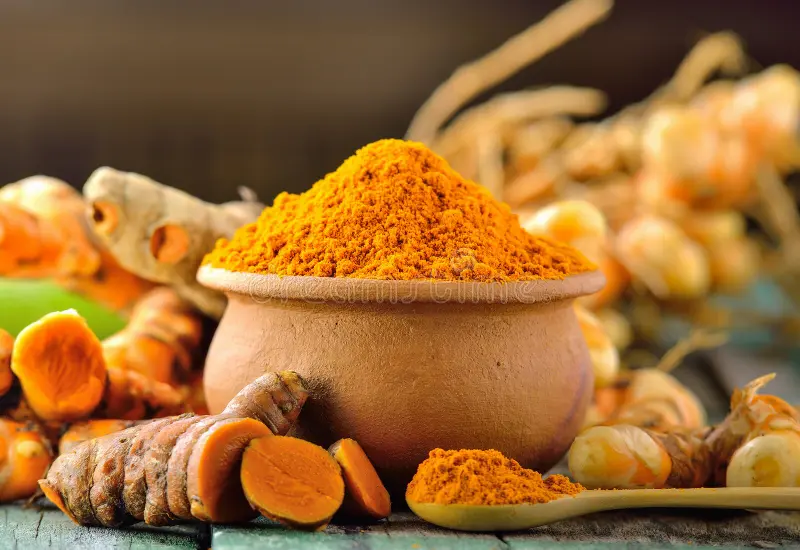
Turmeric (Curcuma longa), the vibrant, golden-yellow spice derived from the rhizomes of a plant belonging to the ginger family, has been a cornerstone of traditional culinary and medicinal practices. The benefits of turmeric are as follows:
-Anti-inflammatory and antioxidant defenses
At the cellular level, tumeric acts as a potent shield against two fundamental drivers of chronic disease: chronic inflammation and oxidative stress. Low-grade, systemic inflammation is linked to many major health conditions. Tumeric mitigates this by blocking major inflammatory molecules, such as tumor necrosis factor-alpha and interleukin-6, helping to arrest the inflammatory cascade at its source.
– Supports joints, heart, and brain
The systemic relief offered by turmeric is perhaps most visibly felt in joint health. For individuals suffering from osteoarthritis, tumeric drastically reduces joint discomfort and stiffness by dampening inflammatory markers within joint tissues.
-Metabolic and visceral regulation:
Turmeric acts as an effective metabolic regulator, particularly in blood sugar management. Research shows that tumeric enhances insulin sensitivity and lowers blood glucose levels by curbing hepatic glucose synthesis and activating cellular.
-Digestion: Turmeric directly aids digestion and visceral detoxification. It stimulates the gallbladder to produce and secrete bile, an essential fluid required to properly emulsify and break down dietary fats.
-Liver detoxification: The liver benefits directly from eating turmeric. Turmeric protects vulnerable liver cells from chemical and environmental damage while upregulating the cellular enzymes responsible for clearing metabolic waste and toxins from the human body. -Health.com
SKIP THE QUEUE, TAP THE NEWS
You can now read the Ghanaian Times and The Spectator newspapers from the comfort of your device via TimesNewsPlus.
Join our WhatsApp Channel: https://whatsapp.com/channel/0029VbBElzjInlqHhl1aTU27