Entertainment
The Resurrection Effect Concert slated for May 1

- /home/u249204778/domains/spectator.com.gh/public_html/wp-content/plugins/mvp-social-buttons/mvp-social-buttons.php on line 27
https://spectator.com.gh/wp-content/uploads/2022/04/Empress-Gifty.jpg&description=The Resurrection Effect Concert slated for May 1', 'pinterestShare', 'width=750,height=350'); return false;" title="Pin This Post">
- Share
- Tweet /home/u249204778/domains/spectator.com.gh/public_html/wp-content/plugins/mvp-social-buttons/mvp-social-buttons.php on line 72
https://spectator.com.gh/wp-content/uploads/2022/04/Empress-Gifty.jpg&description=The Resurrection Effect Concert slated for May 1', 'pinterestShare', 'width=750,height=350'); return false;" title="Pin This Post">
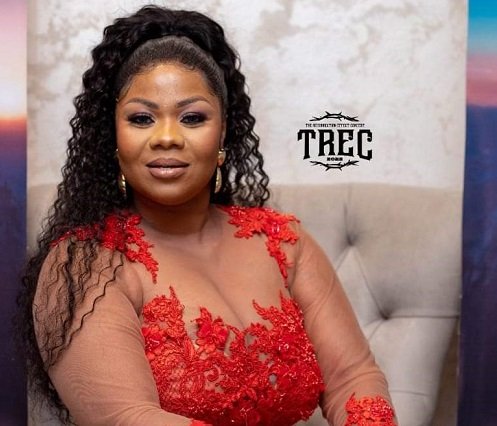
A popular Ghanaian gospel singer, Empress Gifty has urged patrons of this year’s ‘The Resurrection Effect Concert’ (TREC)to expect healing and testimonies on the night.
“I am expecting a lot of healing, breakthroughs and testimonies for patrons on the night,” she said.
Empress Gifty made this statement when speaking at the press launch of this year’s edition at EL Lounge on Friday, April 1, 2022.
TREC birthed in 2019, had it’s first edition held on an Easter Monday, but due to the COVID-19 pandemic in 2020, it was put on hold.
The “Eye Woa” hitmaker disclosed that this year’s edition would be under the Theme; ‘The Essence of the Empty Tomb’ making biblical inference to 1Corinthians 15:3-5.
She added that the much awaited event was slated for May 1, 2022, at the Junction Mall, Nungua at 5pm.
“Even though the date has been shifted to May this year due to management decision, the tenets and pillars on which the TREC was built on Easter, The Ressurection of Christ, still stands,” she noted.
The gospel Empress announced that she had teamed up with Nigeria’s finest, Peterson Okopi, Ghanaian legends Tagoe Sisters, Rev Perry Lokko, Eric Jeshrun, and Jack Alolomi among others to rock worshippers on that day.
TREC is an annual Easter Concert which brings thousands of worshippers together to celebrate the Resurrection Power of Christ and win more souls for His kingdom.
By Edem Mensah-Tsotorme


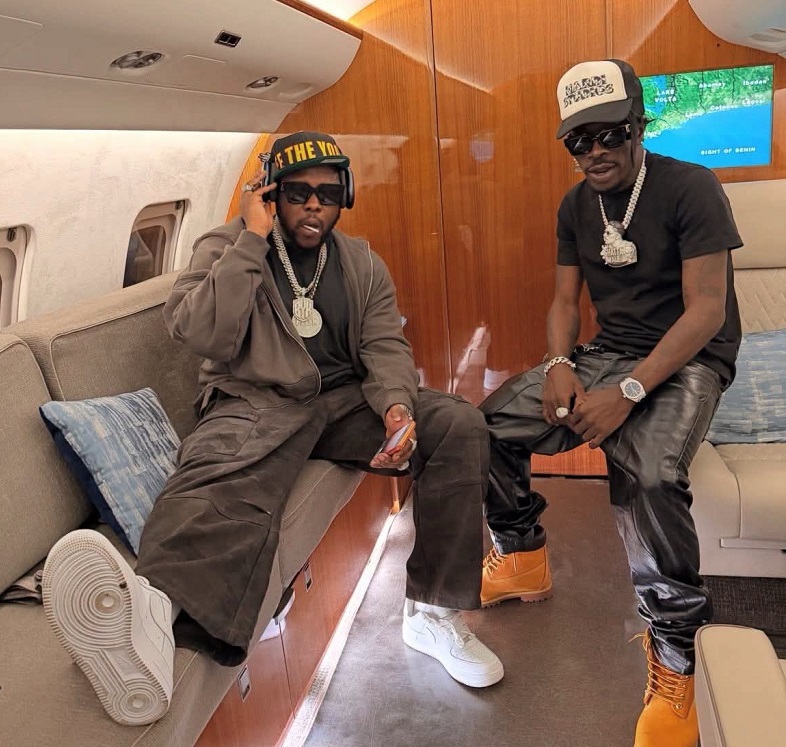
Ghanaian rapper Medikal has advised musicians to focus on building financial security rather than relying mainly on awards, shows and public recognition.
According to him, the difficult situations some senior musicians face after years in the industry should serve as a lesson to younger artistes.
Medikal made the comments on TikTok while sharing his thoughts on an interview involving veteran Ghanaian musician DJ Barosky, whom he claimed is currently homeless in the United Kingdom.
He expressed surprise at the situation, noting that he grew up listening to and admiring some of the senior musicians who influenced his generation.
“Bro, right now, social media, I know if you tell which one be real or what be fake,” Medikal stated, questioning the reality of what people see online.
He argued that musicians should make money and put proper financial plans in place while they are active in the industry.
“If you be artist for this country, you for make money, collect money, put certain things in place,” he said.
Medikal stressed that awards and performances were important but should not replace financial planning.
He encouraged artistes to be careful with their relationships and to understand that the entertainment industry is largely driven by money.
According to him, even friendships can change when a person’s financial circumstances change.
He therefore urged musicians not to become discouraged by financial losses but to remain focused on creating wealth.
“Make money. If you lose money, still collect money,” he advised.
Medikal said the experiences of older artistes should encourage current musicians to take their finances seriously and prepare for life beyond their peak years in the entertainment industry.
By: Jacob Aggrey
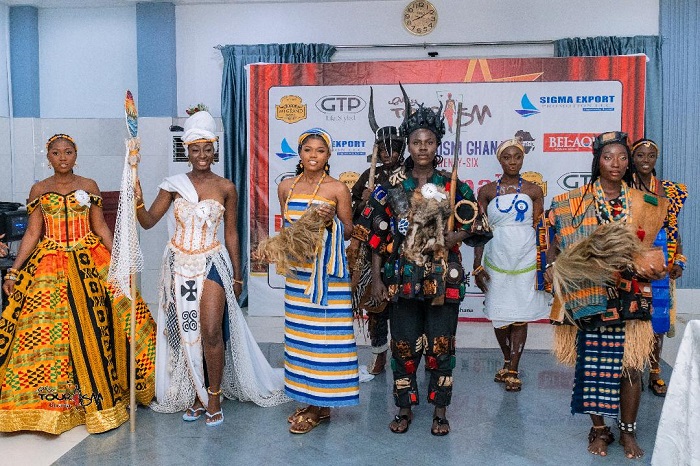
It was a night of colour, culture and creativity as Miss Tourism Ghana successfully held its Regional Costume & Talent Night in Accra.
The event drew fashion lovers, culture enthusiasts, and proud supporters who came out to witness Ghana’s beauty queens represent their regions on one grand stage.
From the moment guests stepped in, the atmosphere was electric, ushering,
Okra, Zabe, Gina, Akpe, Sela, Afia,Asher and Ajua into the auditorium to mesmerize patrons.
The blistering night, commenced with a breathtaking regional costumes rocked by contestants that told stories of Ghana’s traditions from, african print, kente, smock, batakari, beads and other indigenous fabrics.
Each outfit with beautiful local accessories to match was paired with confidence, poise, and pride.
The night then shifted gears into the talent segment. The audience was treated to powerful performances traditional dance, spoken word, fashion, singing, and drama all centered on promoting Ghana’s tourism and heritage.
The judges were stunned with the various displays and passed favorable commentaries encouraging the contestants to keep giving their all.
Patrons left with unforgettable moments, and the contestants delivered to their expectations.
Organisers of Miss Tourism Ghana congratulated all the amazing participants who took part and urged them to forged ahead strongly before the grand final.
They also, encouraged families and friends to keep their favourite in the competition through their campaigns and votes.
The search for Ghana’s next tourism ambassador is officially on, and the competition is getting tighter with each stage.
Beyond the glamour, Miss Tourism Ghana continues to use the platform to market Ghana’s tourist sites, culture and hospitality to the world.
The Regional Costume & Talent Night served as both entertainment and education, reminding Ghanaians of the beauty in our diversity.
By Edem Mensah-Tsotorme