News
𝐀𝐟𝐫𝐢𝐜𝐚 𝐦𝐮𝐬𝐭 𝐟𝐢𝐧𝐚𝐧𝐜𝐞 𝐚𝐧𝐝 𝐥𝐞𝐚𝐝 𝐢𝐭𝐬 𝐨𝐰𝐧 𝐡𝐞𝐚𝐥𝐭𝐡 𝐟𝐮𝐭𝐮𝐫𝐞 -𝐕𝐢𝐜𝐞 𝐏𝐫𝐞𝐬𝐢𝐝𝐞𝐧𝐭 𝐝𝐞𝐜𝐥𝐚𝐫𝐞𝐬 𝐚𝐭 𝐇𝐞𝐚𝐥𝐭𝐡 𝐒𝐮𝐦𝐦𝐢𝐭

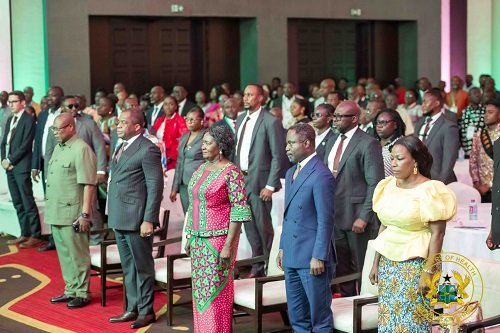
The Vice President of the Republic of Ghana, Prof. Jane Naana Opoku-Agyemang, has called for a break from aid dependency, urging African countries to treat healthcare as a national security and economic priority driven by domestic investment and strong health workforces.
Addressing participants at the 2026 Annual Health Summit hosted by the Ministry of Health, the Vice President underscored the importance of strengthening Ghana’s health workforce through strategic recruitment, equitable deployment, and improved retention.
She highlighted the need for stronger cross-sector collaboration to create enabling conditions that attract and retain health workers, particularly in underserved communities, while promoting structured labour migration arrangements that safeguard Ghana’s health system.
Minister for Health, Kwabena Mintah Akandoh, outlined measures being implemented to strengthen the health workforce, including the recruitment of additional health professionals, expansion of specialist and post-basic training programmes, and improved deployment to underserved communities.
He noted that government is taking deliberate steps to address workforce gaps, enhance skills development, and ensure a more equitable distribution of health personnel to support quality healthcare delivery nationwide.
The Minister stated that Ghana’s health workforce remains the backbone of the country’s health system and emphasized the need to invest not only in numbers but also in skills, professionalism, motivation, and retention.
“People, not buildings, transform investments into results,” the Minister said, emphasizing that a resilient, motivated, and well-distributed health workforce remains central to achieving Universal Health Coverage and improving health outcomes for all Ghanaians.
This year’s summit is anchored on the theme: “Building a Resilient Health Workforce to Accelerate the Attainment of Universal Health Coverage.”
The summit drew participants from development partners, heads of agencies under the Ministry of Health, the Parliamentary Health Committee, and Health professional regulatory bodies.

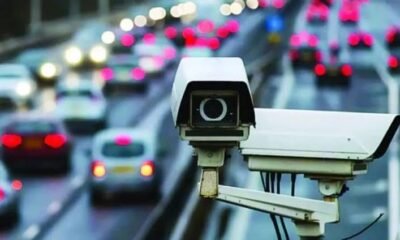



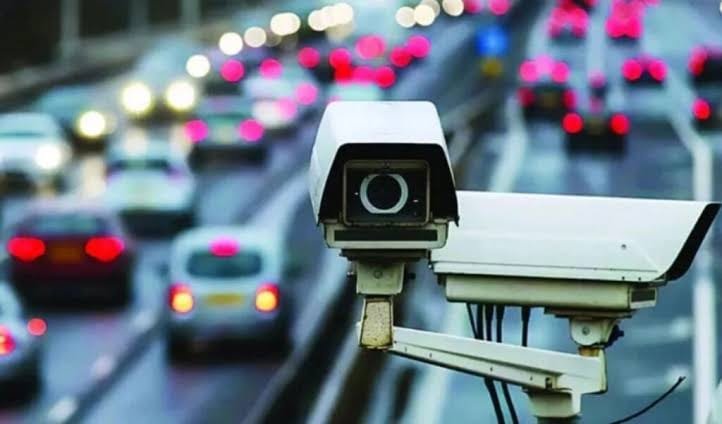
The Ghana Police Service has begun automated enforcement of road traffic laws under a new system dubbed Traffitech-GH.
In a statement signed by the Director-General of Public Affairs, Deputy Commissioner of Police Grace Ansah-Akrofi, the Service said the project officially took effect on November 1, 2026.
The system is being implemented by the Motor Traffic and Transport Department (MTTD).
Under the initiative, motorists who commit traffic offences will receive an Electronic Notice of Violation (ENV).
The Police said motorists must first check that the notification comes from the official Sender ID, GPS-MTTD, adding that genuine notifications will not be sent from an ordinary mobile phone number.
Motorists are to open the ENV to confirm the vehicle’s photograph and number plate, as well as the location, date and time of the offence, and watch the video where available.
According to the police, payments can be made through the NIB Payment Portal.
The Police cautioned motorists and vehicle owners to remain vigilant against fraud and never pay a traffic fine into a personal mobile money number or through any unofficial account.
The Service expressed appreciation to the general public, particularly motorists, vehicle owners and transport operators, for their cooperation in promoting safer roads and ensuring compliance with road traffic laws.
By Edem Mensah-Tsotorme
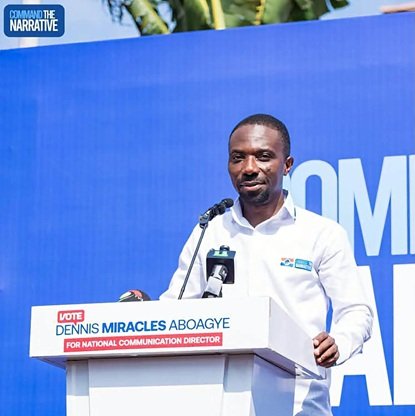
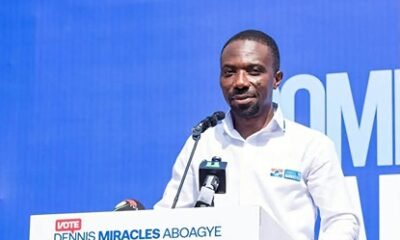
The Director of Communications of the New Patriotic Party (NPP), Miracles Aboagye, has taken a swipe at the government over the worsening cost of living in the country.
In a strongly worded statement, Aboagye said while the cost of living continues to skyrocket, the government keeps pointing Ghanaians to figures on paper.
According to him, the reality on the ground tells a different story:
Cocoa farmers have suffered a haircut, tertiary students are demonstrating over high fees and accommodation, teachers and nurses are striking over unpaid allowances, and judiciary workers are also on strike over unpaid allowances.
He added that transport fares, electricity, water, and fuel prices are all higher than before, making life unbearable for the ordinary Ghanaian.
“The cost of living and the pocket of the Ghanaian citizen keeps worsening but government says, don’t cry about the pocket when the paper looks good,” Aboagye said.
He summed up his criticism with the hashtags #PaperEconomyPocketDry and #PaperEconomyVsPocketEconomy — a direct jab at what he describes as a disconnect between official economic figures and the daily struggles of Ghanaians.
By Edem Mensah-Tsotorme