News
SIC Life, NTC to Explore Partnership Avenues

![• Mr. Kwesi Adjei Kersi [middle] with Mr. David Jockic Ankrah [fourth from left], Dr. Charity Binka [fourth from right] Staff from SIC and NTC Management after the meeting Photo: Okai Elizabeth](https://spectator.com.gh/wp-content/uploads/2025/12/Mr.-Kwesi-Adjei-Kersi-middle-with-Mr.-David-Jockic-Ankrah-fourth-from-left-Dr.-Charity-Binka-fourth-from-right-Staff-from-SIC-and-NTC-Management-after-the-meeting-Photo-Okai-Elizabeth.jpg)
- /home/u249204778/domains/spectator.com.gh/public_html/wp-content/plugins/mvp-social-buttons/mvp-social-buttons.php on line 27
https://spectator.com.gh/wp-content/uploads/2025/12/Mr.-Kwesi-Adjei-Kersi-middle-with-Mr.-David-Jockic-Ankrah-fourth-from-left-Dr.-Charity-Binka-fourth-from-right-Staff-from-SIC-and-NTC-Management-after-the-meeting-Photo-Okai-Elizabeth.jpg&description=SIC Life, NTC to Explore Partnership Avenues', 'pinterestShare', 'width=750,height=350'); return false;" title="Pin This Post">
- Share
- Tweet /home/u249204778/domains/spectator.com.gh/public_html/wp-content/plugins/mvp-social-buttons/mvp-social-buttons.php on line 72
https://spectator.com.gh/wp-content/uploads/2025/12/Mr.-Kwesi-Adjei-Kersi-middle-with-Mr.-David-Jockic-Ankrah-fourth-from-left-Dr.-Charity-Binka-fourth-from-right-Staff-from-SIC-and-NTC-Management-after-the-meeting-Photo-Okai-Elizabeth.jpg&description=SIC Life, NTC to Explore Partnership Avenues', 'pinterestShare', 'width=750,height=350'); return false;" title="Pin This Post">
The management of SIC Life Limited last week called on the Interim Management Committee (IMC) overseeing the operations of the New Times Corporation (NTC), publishers of The Ghanaian Times and The Spectator newspapers. The meeting aimed to explore possible ways of partnerships as State-Owned Enterprises (SOEs) to strengthen financial performance and drive operational growth.
The SIC Life delegation was led by Mr. David Jockie Ankrah, Head of Corporate/Group Business; Mrs. Doreen Asante, HR and Administrative Manager; Mr. Ebenezer Odartey Lamptey, Group Business Sales Manager; and Mr. Oppong Kofi Brako, Human Resource Manager.
The company noted that recent reports from the State Interests and Governance Authority (SIGA) revealed underwhelming results across many SOEs, stressing that greater cooperation was key to reversing the trend. According to Mr. Ankrah, SIC Life intends to provide NTC with financial and operational support, including the purchase of a printing machine and enrolling NTC staff on insurance policies.
“We, the state organisations, are responsible for our own performance. If we fail to work together, we fail ourselves,” Mr. Ankrah emphasized. He added that his outfit would soon submit a formal proposal and a Non-Disclosure Agreement to NTC to cement the partnership.
The Editor of The Ghanaian Times, Alhaji Salifu Abdul-Rahaman, welcomed the delegation and pledged the NTC’s readiness to promote SIC Life’s activities through media coverage and advertising. He also proposed a joint dialogue series to educate the public on insurance policies and their benefits.
Members of the NTC in attendance included the Deputy Chairperson, Mrs. Charity Binka; Supervisor of Adverts and Business Relations, Mrs. Edzodzi Can-Tamakloe; Chief Accountant, Mr. Eric Nkum Antwi; Technical Service Manager, Mr. John Lawson; and Human Resource and Administrative Manager, Mrs. Agnes Nketia.
By Beatrice Wonovi Kpeglah
Join our WhatsApp Channel now!
https://whatsapp.com/channel/0029VbBElzjInlqHhl1aTU27



Over 20 structures built within the 50-metre buffer zone of the Kpeshie Lagoon at the Laboma Beach Resort in the La Dade-Kotopon Municipality were on Sunday demolished by the Greater Accra Regional Coordinating Council (GARCC).
Buildings such as single-unit semi-detached under construction and completed chalets at the resort were pulled down while portions of a newly constructed perimeter wall were also demolished. Read More
SKIP THE QUEUE, TAP THE NEWS
You can now read the Ghanaian Times and The Spectator newspapers from the comfort of your device via TimesNewsPlus.
Join our WhatsApp Channel: https://whatsapp.com/channel/0029VbBElzjInlqHhl1aTU27
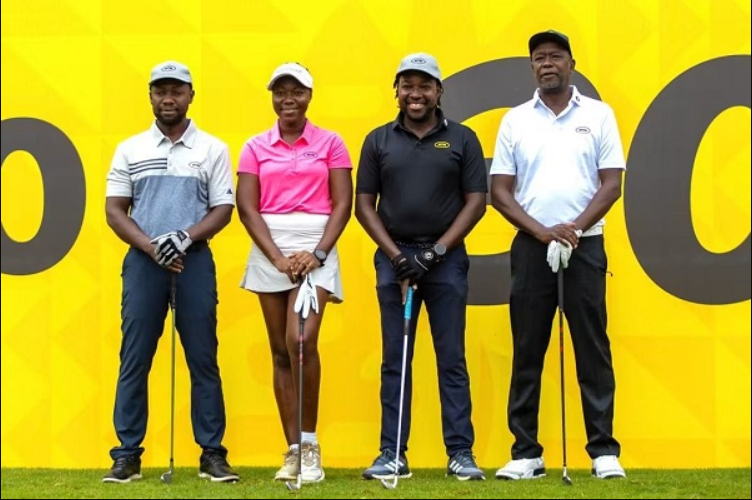
About 120 golfers from clubs across Ghana participated in an 18-hole competition, dubbed ‘MTN 30th Anniversary CEO Invitational Golf Tournament’ held at the Achimota Golf Club on Saturday.
At the end of the hectic day, Frederick Semenu Duvor won the Men’s Group A event with 39 points, while Julienne Afi claimed the Ladies’ Group A title with the same score.
Yaw Mireku Jnr. won the Men’s Group B with an impressive 45 points, while Kous Louanges Mang took the Ladies’ Group B title with 38 points.
Kofi Mangesi won Men’s Group C with 40 points while Elorm R. Akuash Bonney claimed the Ladies’ version with 42 points.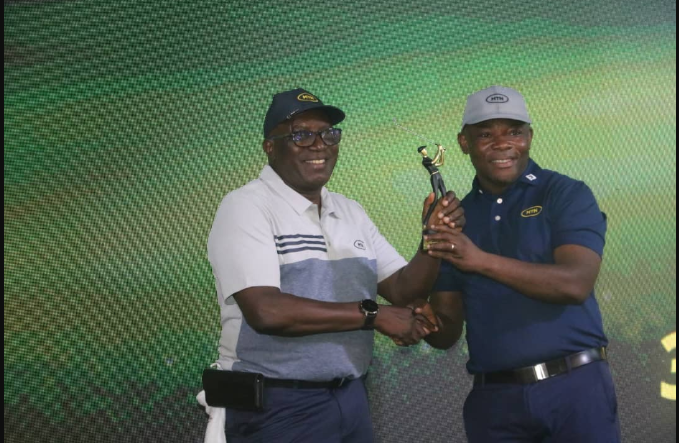
In the Seniors Division, Jan Vogel emerged winner of the men’s category with 39 gross, while Helen Appah topped the ladies’ category with 44 gross.
Addressing participants, the company’s Board Chairman, Mr Ishmael Yamson, urged the company to approach its next phase with the same resilience, discipline and determination that have defined its success over the past three decades.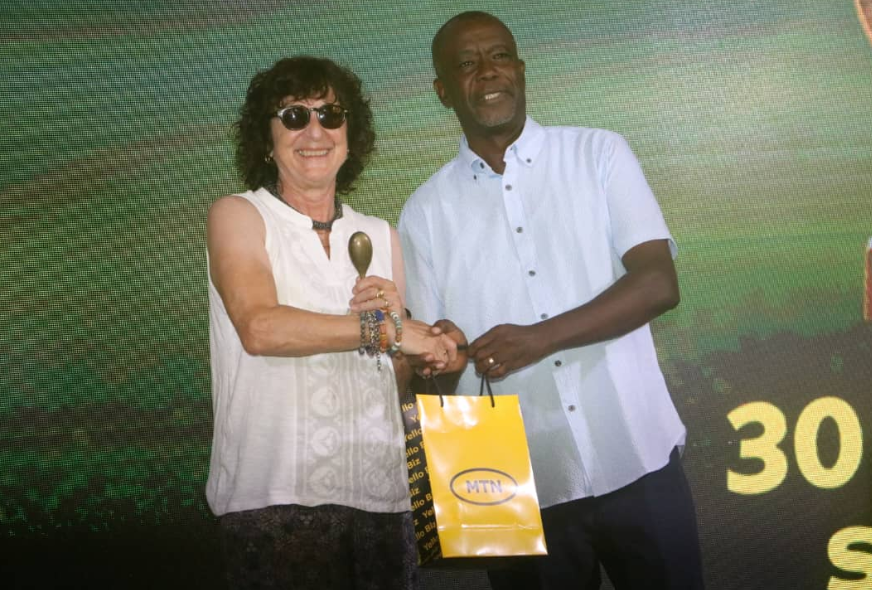
He drew a striking parallel between the game of golf and MTN Ghana’s three-decade journey, describing both as long games in which success depends less on one spectacular moment than on consistency, patience, judgment and the ability to recover from setbacks.
He said, golf had taught him a lesson that extended far beyond the fairways, thus, a round cannot be won on the first hole.
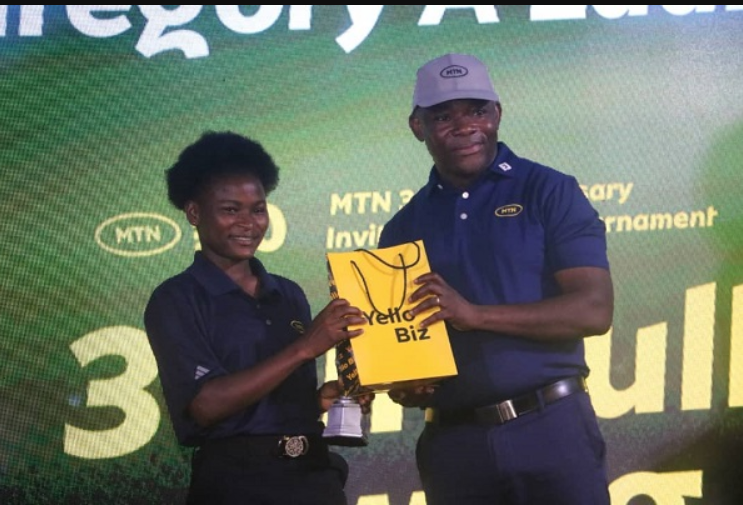
In golfing terms, he said, MTN Ghana had encountered its share of regulatory bunkers, competitive hazards and unexpected storms that had forced the company to pause, reassess and change its approach.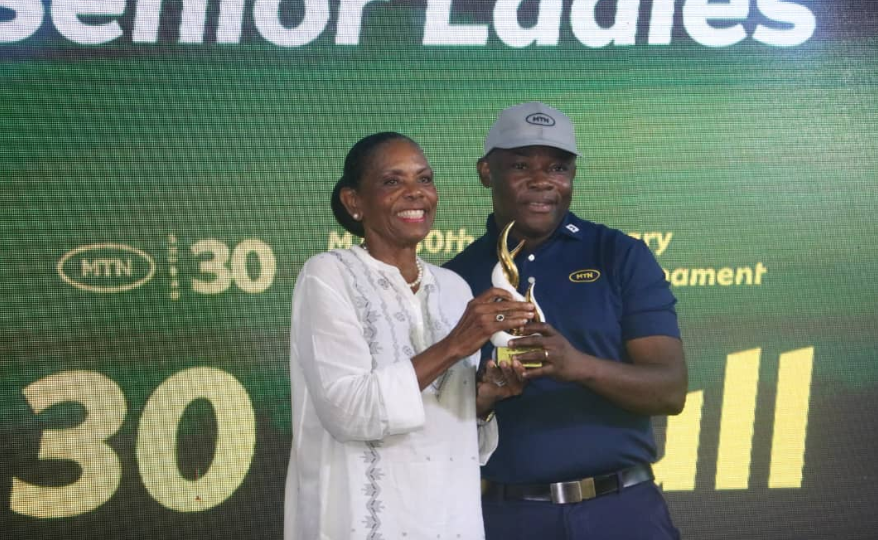
But those challenges, he suggested, were part of the journey rather than reasons to abandon it.
By Andrew Nortey
SKIP THE QUEUE, TAP THE NEWS
You can now read the Ghanaian Times and The Spectator newspapers from the comfort of your device via TimesNewsPlus.
Join our WhatsApp Channel: https://whatsapp.com/channel/0029VbBElzjInlqHhl1aTU27

 Entertainment1 week ago
Fiifi Coleman Productions adapt ‘I Told You So’ stage play into feature film
- News6 days ago
48 Engineer Regiment to be major sub-contractor on Accra-Kumasi Expressway, $2bn ready- Prez Mahama
- News1 week ago
Ghanaian journalist celebrates Texas town’s ‘Eden of the Far West’ tag after mayor’s nod