News
GREL hands over Community Centerat Nyanso

- /home/u249204778/domains/spectator.com.gh/public_html/wp-content/plugins/mvp-social-buttons/mvp-social-buttons.php on line 27
https://spectator.com.gh/wp-content/uploads/2022/08/Accra-High-School.jpg&description=GREL hands over Community Centerat Nyanso', 'pinterestShare', 'width=750,height=350'); return false;" title="Pin This Post">
- Share
- Tweet /home/u249204778/domains/spectator.com.gh/public_html/wp-content/plugins/mvp-social-buttons/mvp-social-buttons.php on line 72
https://spectator.com.gh/wp-content/uploads/2022/08/Accra-High-School.jpg&description=GREL hands over Community Centerat Nyanso', 'pinterestShare', 'width=750,height=350'); return false;" title="Pin This Post">
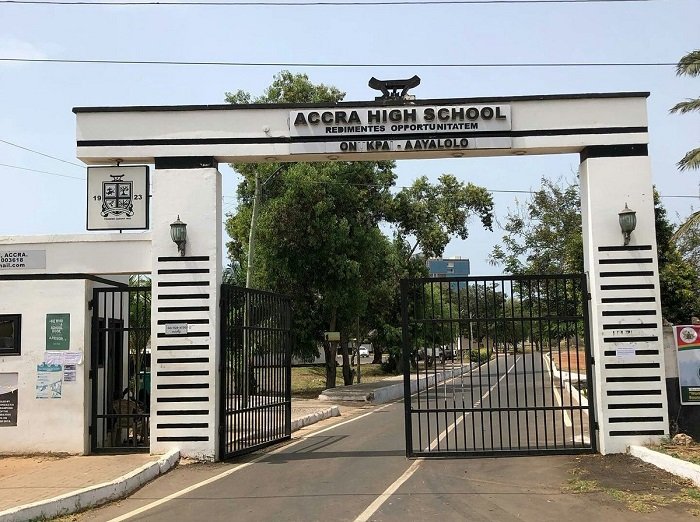
Accra High School
The Ghana Rubber Estates Limited (GREL) has handed over a Community Centre to the people of Nyanso in the Tarkwa-Nsuaem Municipality of the Western Region.
The facility costing GH¢306,644.03 would be used for weddings, out doorings, community durbars and funerals among other social gatherings.
The Managing Director (MD) of GREL, Mr Lionel Barre said the company offered sustainable jobs and income to over 4,000 members of staff and the out-grower scheme instituted by his outfit.
He said GREL had provided potable water to communities, built schools, supplied desks and given allowances to teachers engaged during vacation classes and also put up health facilities for the people to access quality healthcare.
Mr Barre said the community centre was constructed at the request of the people of Nyanso after several stakeholder engagements on the need to build a centre at the community because hiring of tents, canopies and chairs for public gatherings like funerals, weddings and others were becoming a worry to the people especially on rainy days.
He thanked the chief and people of Nyanso for cooperating with GREL and the contractor who put up the community centre for their patience, understanding, dedication and collaboration during the period of construction.
The MD urged the chief, people and all who would patronise the facility to try and own it and never treat it as something imposed on them because the building was demand-driven to alleviate the suffering of the inhabitants.
The chairman of the Association of Chiefs on Whose Land GREL Operates (ACLANGO), Nana Kwesi Agyeman IX also said GREL’s operations had brought about many social interventions to the catchment areas like schools, health facilities, water projects among others.
He appealed to all rubber farmers to take the latex (raw rubber) to the accredited buying centres instituted by GREL and stop selling their produce to middle men because “these middle men did not provide any corporate social responsibility to the communities.”
The Chief of Nyanso, Nana Essoun Kuma II also said the problems of some inhabitants of Nyanso looking for money to hire canopies, chairs for social gatherings would now be a thing of the past.
He said the provision of this edifice would make them celebrate weddings, naming ceremonies and funerals in a grand style whether there was rain or sunshine because they now had a beautiful place.
He thanked ACLANGO, the Management of GREL and all those who contributed in diverse ways to bring the project to a successful completion, and promised that the culture of maintenance would be adhered to.
From Peter Gbambila-Nyanso.

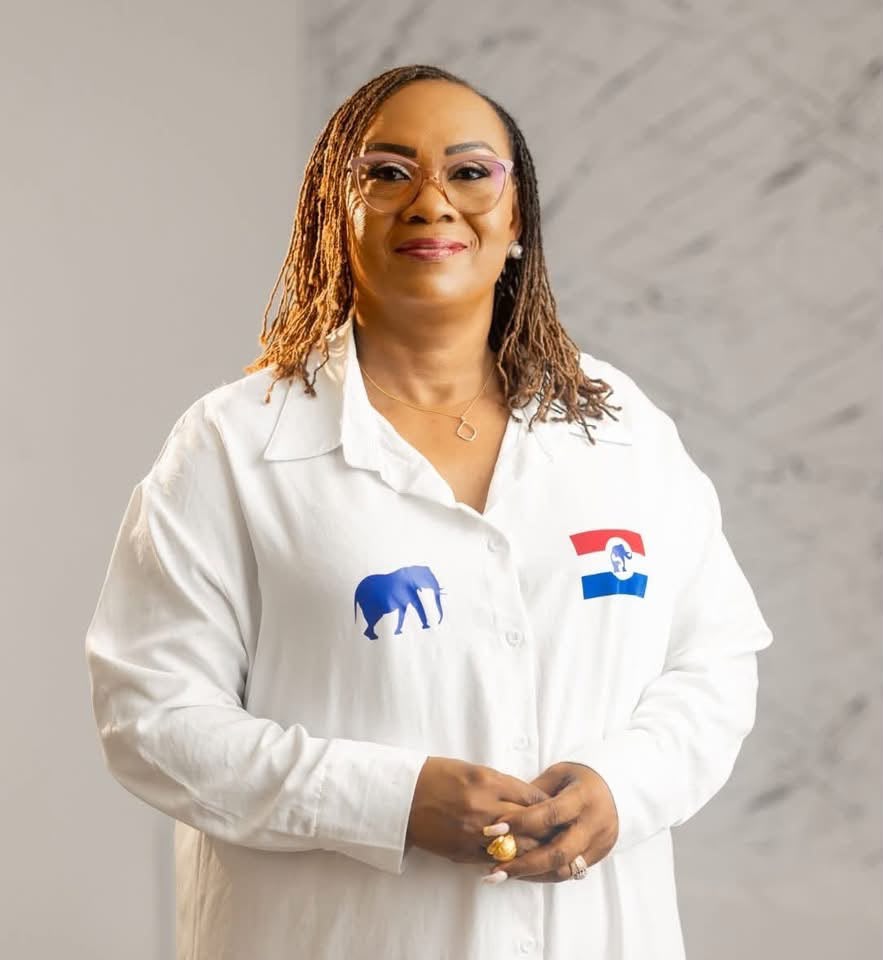
Former Awutu Senya East Member of Parliament, Mavis Hawa Koomson, has been elected the National Women’s Organiser of the New Patriotic Party (NPP).
She secured 738 votes to defeat her main contender, Mohammed Safia, who polled 429 votes in the election held on Saturday, October 3, 2026, at the Baba Yara Sports Stadium in Kumasi.
The election formed part of the NPP’s National Delegates Conference, which brought together delegates from across the country to elect new national executives for the party.
The conference was characterised by a colourful display of the NPP’s red, white and blue colours, with party supporters and delegates filling the stadium ahead of the various elections.
Former President Nana Addo Dankwa Akufo-Addo was among the prominent personalities who attended the delegates conference ahead of the elections.
Following the declaration of the results, Hawa Koomson moved around the stadium with some of her supporters, thanking delegates for voting for her and expressing confidence in her ability to lead the party’s women’s wing.
Speaking after her victory, Hawa Koomson said she would bring her experience and maturity to the position and work to strengthen the party’s women’s structures.
She indicated that she would work with her former contender, Mohammed Safia, despite the competition between them during the election.
“We are all NPP members and we are going to work together for victory,” she said.
According to her, her immediate task would be to unite the women of the party and mobilise them to contribute effectively to the NPP’s activities at the grassroots and national levels.
She called for greater support and solidarity among women, and recounted an experience in which she said another woman helped save her life after she was attacked.
Using the experience, Mrs Koomson urged women to have one another’s backs, stressing that women should be ready to support and defend each other.
The former MP spoke about her political journey and her return to a national leadership position after losing the Awutu Senya East parliamentary seat.
She said she had never regarded her political journey as a failure and was proud to have reached the national level to serve the party.
Mrs Koomson said her decision to contest the National Women’s Organiser position was driven by her desire to continue contributing to the NPP and use her experience to support the party.
Hawa Koomson explained the need for women to protect themselves, including the use of pepper spray as a means of self-defence when faced with danger.
She encouraged women to support and defend one another, drawing from her own experience of being attacked and helped by another woman who intervened to save her.
As National Women’s Organiser, she will be responsible for coordinating and mobilising women across the party, strengthening the women’s wing at the constituency and regional levels, and increasing their participation in party activities.
She is expected to work closely with the newly elected national executives to strengthen the party’s structures and prepare its women’s wing for the party’s future political activities.
Mrs Koomson thanked the delegates for the confidence they had placed in her and pledged to work with members of the party as she begins her new role.
By: Jacob Aggrey
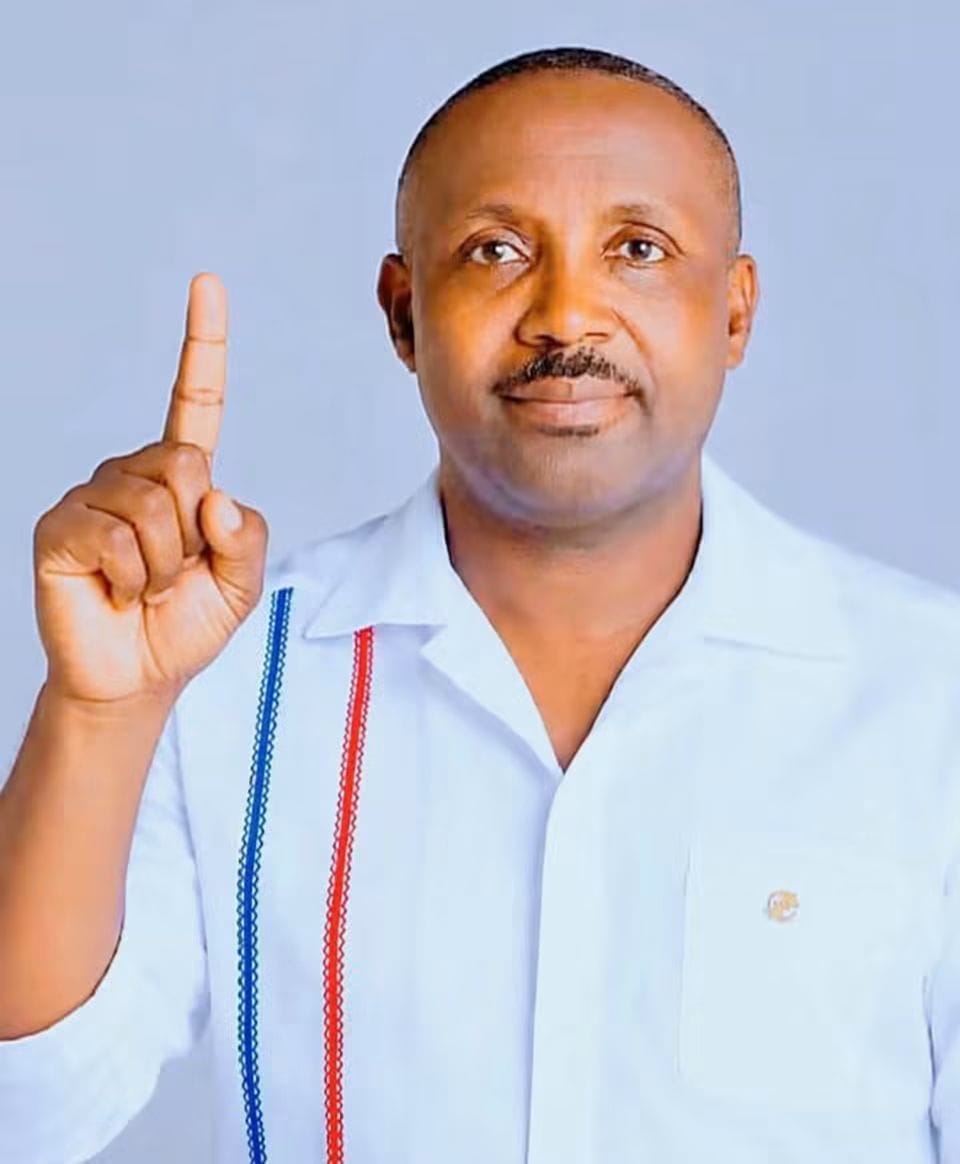
John Boadu has been elected as the National Chairman of the New Patriotic Party (NPP) following the party’s National Delegates Conference held on Saturday, October 3, 2026, at the Baba Yara Sports Stadium in Kumasi.
Boadu secured a decisive victory with 2,888 votes, beating his closest contender Boakye Agyarko who polled 2,408 votes.
Former Chairman Paul Afoko garnered 790 votes, while Sammy Crabbe managed 41 votes.
The victory marks a major political comeback for John Boadu, who previously served as the party’s General Secretary.
Ahead of the elections, Sammy Crabbe had reportedly pulled out of the race to form an alliance with John Boadu, a move that appears to have strengthened Boadu’s numbers on the day.
The keenly contested chairmanship race was a highlight of the 2026 National Executives Election, which drew thousands of delegates from across the country to Kumasi.
Boadu is expected to lead the party’s reorganization efforts ahead of the 2028 general elections.
By Edem Mensah-Tsotorme