News
Families ignore cleft treatment due to non-medical expenses -Research

- /home/u249204778/domains/spectator.com.gh/public_html/wp-content/plugins/mvp-social-buttons/mvp-social-buttons.php on line 27
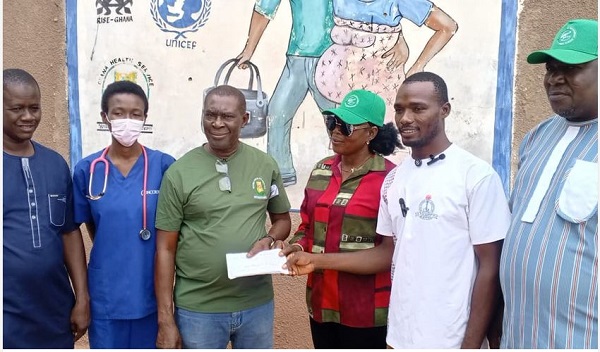
https://spectator.com.gh/wp-content/uploads/2026/07/Dr-Appiah-second-left-with-staff-and-members-of-the-Paga-Youth.jpg&description=Families ignore cleft treatment due to non-medical expenses -Research', 'pinterestShare', 'width=750,height=350'); return false;" title="Pin This Post">
- Share
- Tweet /home/u249204778/domains/spectator.com.gh/public_html/wp-content/plugins/mvp-social-buttons/mvp-social-buttons.php on line 72
https://spectator.com.gh/wp-content/uploads/2026/07/Dr-Appiah-second-left-with-staff-and-members-of-the-Paga-Youth.jpg&description=Families ignore cleft treatment due to non-medical expenses -Research', 'pinterestShare', 'width=750,height=350'); return false;" title="Pin This Post">
A study by the National Cleft Care Centre (NCCC) at the Komfo Anokye Teaching Hospital (KATH) has revealed that the headache of parents of children born with cleft lip and palate in Ghana is not about the cost of surgery.
What actually put these families in difficult situations are the non-medical expenses that come in the form of transportation, feeding and temporary accommodation while seeking comprehensive care for such children after surgery.
According to the study, these families spend at least 25 per cent of their annual income on the non-medical expenses required to ensure a comprehensive post- surgery care.
Consequently, the Director of NCCC, Prof. Solomon Obiri-Yeboah, has underscored the need for a comprehensive cleft management which requires a multidisciplinary approach, integrating plastic surgery, dental care, speech therapy, nutritional support, and psychosocial counseling.
Additionally, he has urged the National Health Insurance Scheme (NHIS) to absorb surgical costs so that donor resources can be redirected toward travel and welfare support.
Marking this year’s cleft awareness campaign, Prof. Obiri-Yeboah stated that the core surgical procedure alone costs a minimum of GH₵5,000.
According to the research, that burden has forced many families to miss or abandon the multiple hospital visits required for successful treatment, putting children at risk of complications that could otherwise be prevented.
It explained that although corrective surgeries were offered free through support from international partners, the cost of travelling repeatedly to specialist centres, feeding and accommodation remains beyond the reach of these families.
The research cautioned that until these financial barriers were addressed, more children would continue to shun essential reviews and follow-up care, undermining the success of treatment.
Health professionals have argued that cleft care inclusion on the NHIS would not only reduce the financial burden on families but also improve treatment outcomes and advance Ghana’s commitment to achieving universal health coverage.
Dr Robert Larmie, a Maxillofacial Surgeon at the NCCC, warned that failing to provide financial relief leaves children vulnerable to harmful myths.
“If these mothers cannot afford the journey for care, children are pushed back into misconceptions.
To expand treatment capacity, Smile Train has collaborated with KATH and the Ghana Cleft Foundation to build over $2-million, six-storey National Cleft Care Centre at KATH.
The facility has an outpatient department, consulting rooms, four specialised operating theaters, pre- and post-operative wards, clinical laboratories, lecture halls, a library, and research units.
Prof. Peter Donkor, President of the Ghana Cleft Foundation and First Vice-President of the West African College of Surgeons, noted that the centre provides free treatment regardless of a patient’s age.
Cleft lip and palate occur during pregnancy when a baby’s lip or the roof of the mouth fails to fuse properly. The condition may range from a small notch in the lip to a wide opening extending into the nose.
Without timely treatment, affected children often experience serious challenges with feeding, breathing, hearing and speech development, while many also endure social stigma and discrimination.
Globally, one in every 700 babies is born with a cleft, leaving an estimated 4.6 million people living with untreated or inadequately treated conditions, particularly in low and middle income countries.
In Ghana, about one in every 770 babies is born with a cleft, resulting in more than 400 new cases each year, in addition to a backlog of children still awaiting treatment.
By Kingsley E. Hope, Kumasi

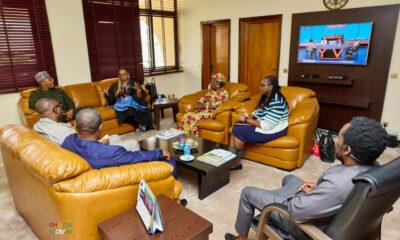

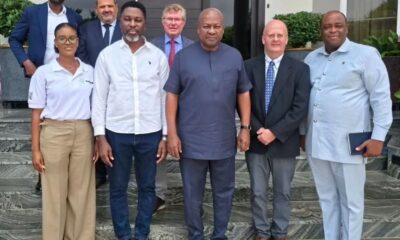




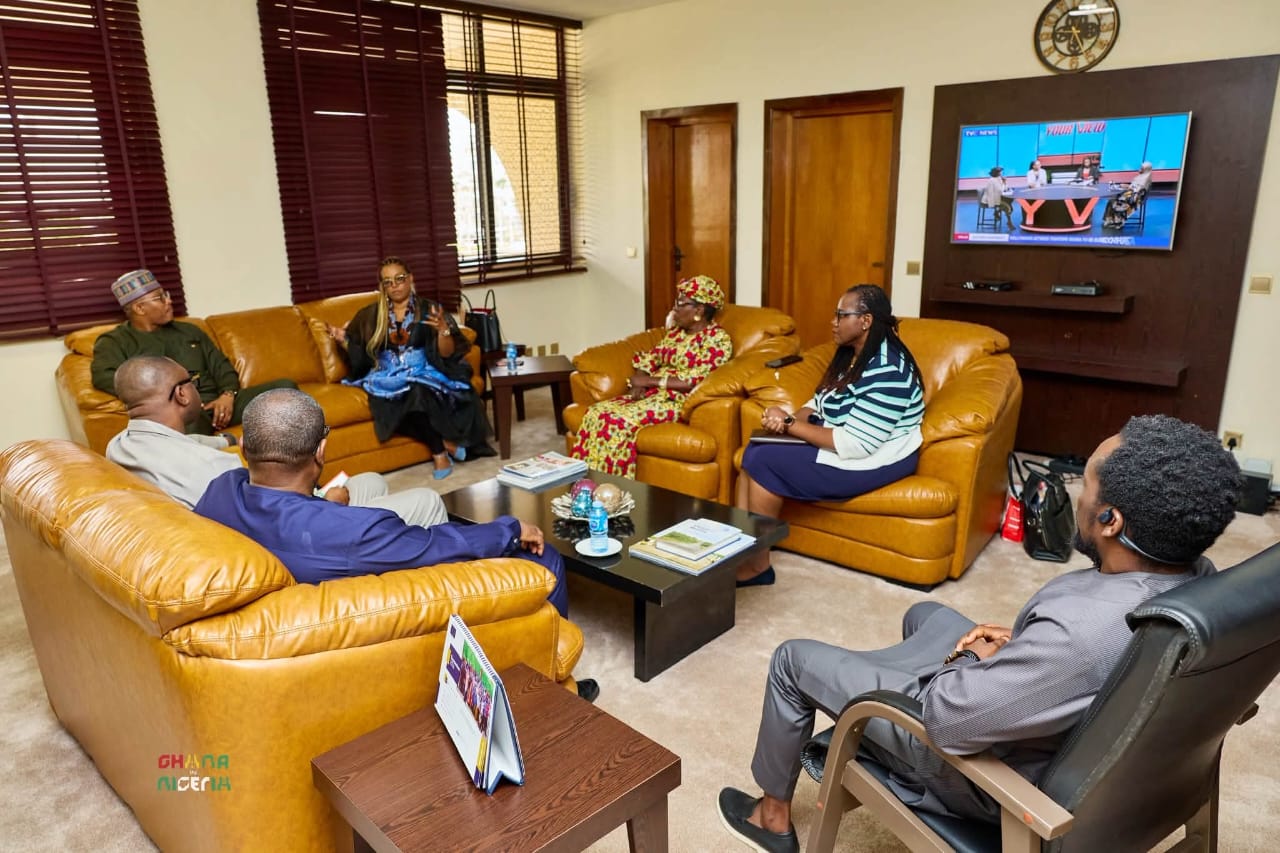
Ghana’s High Commissioner to Nigeria, Baba Sadiq, has held talks with the High Commissioner of Barbados to Ghana, H.E. Juliette Bynoe-Sutherland, at the Ghana High Commission in Abuja.
The meeting, according to the Ambassador, builds on the growing momentum in Ghana–Barbados relations, including the recent participation of Barbadian Prime Minister, Mia Amor Mottley, in high-level engagements in Ghana.
The two diplomats discussed strengthening cooperation in key areas including aviation and connectivity, tourism, trade and investment, education, culture, migration and security, reparations and multilateral affairs.
Ambassador Baba Sadiq noted that Ghana and Barbados share deep historical and cultural bonds, adding that the focus now is to translate that shared heritage into practical partnerships that connect people, unlock opportunities and strengthen Africa–Caribbean relations.
By Edem Mensah-Tsotorme
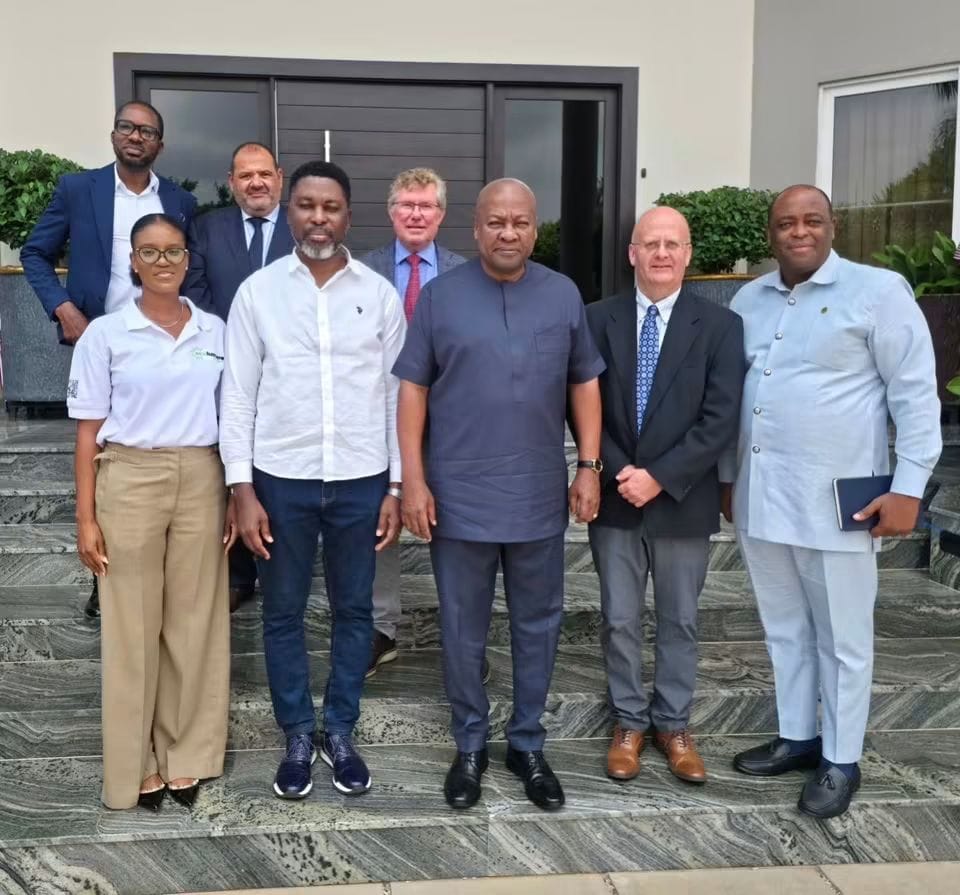
Member of Parliament for Gomoa Central, Kwame Asare Obeng, popularly known as A Plus, has announced plans for the construction of a 270-megawatt solar energy project to power the Gomoa Special Economic Zone and the Gomoa Eco Park.
According to the MP, a delegation from AKA Energy Systems, led by its Chief Executive Officer, met with President John Dramani Mahama earlier yesterday, September 8, to formally inform him that preparations towards the project have commenced.
In a post, A Plus, who led the delegation to the Presidency, disclosed that the project will be a major power source for the manufacturing, industrial and commercial hub.
He stated that the project will be developed in phases, with Phase One expected to be completed by the end of 2027.
By Edem Mensah-Tsotorme

 News1 week ago
Police arrest six suspected members of armed robbery syndicate in Ashanti Region
- News6 days ago
OSP probes alleged GH¢70,000 vetting cash linked to Patricia Appiagyei; Minority says memo is fake
- News1 week ago
Boakye Agyarko campaign denies rift with Bawumia ahead of NPP chairman election