Profile
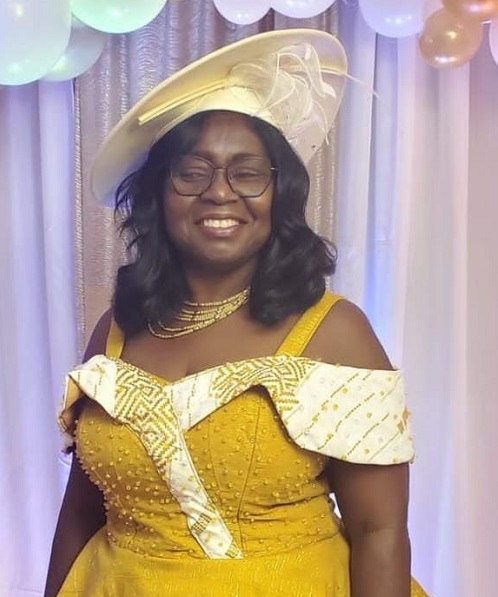
Georgina Naa Odarkaa Lamptey: Turning kindness into a lifelong mission

- /home/u249204778/domains/spectator.com.gh/public_html/wp-content/plugins/mvp-social-buttons/mvp-social-buttons.php on line 27
https://spectator.com.gh/wp-content/uploads/2026/09/Georgina.jpg&description=Georgina Naa Odarkaa Lamptey: Turning kindness into a lifelong mission', 'pinterestShare', 'width=750,height=350'); return false;" title="Pin This Post">
- Share
- Tweet /home/u249204778/domains/spectator.com.gh/public_html/wp-content/plugins/mvp-social-buttons/mvp-social-buttons.php on line 72
https://spectator.com.gh/wp-content/uploads/2026/09/Georgina.jpg&description=Georgina Naa Odarkaa Lamptey: Turning kindness into a lifelong mission', 'pinterestShare', 'width=750,height=350'); return false;" title="Pin This Post">
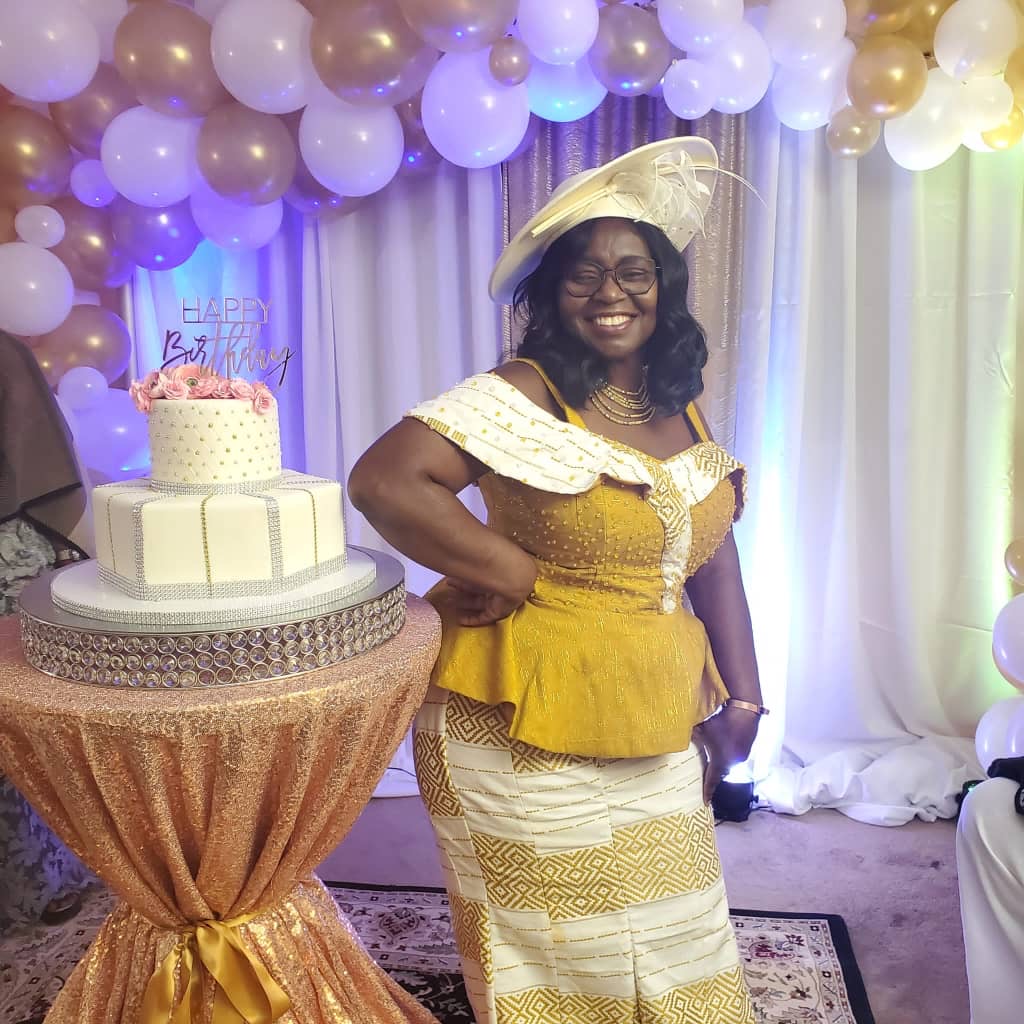
For years, Georgina Naa Odarkaa Lamptey has quietly invested in the lives of children whose dreams could easily have been cut short by financial hardship.
She has paid school fees, supported medical expenses, provided health insurance and transportation, and helped children remain in school.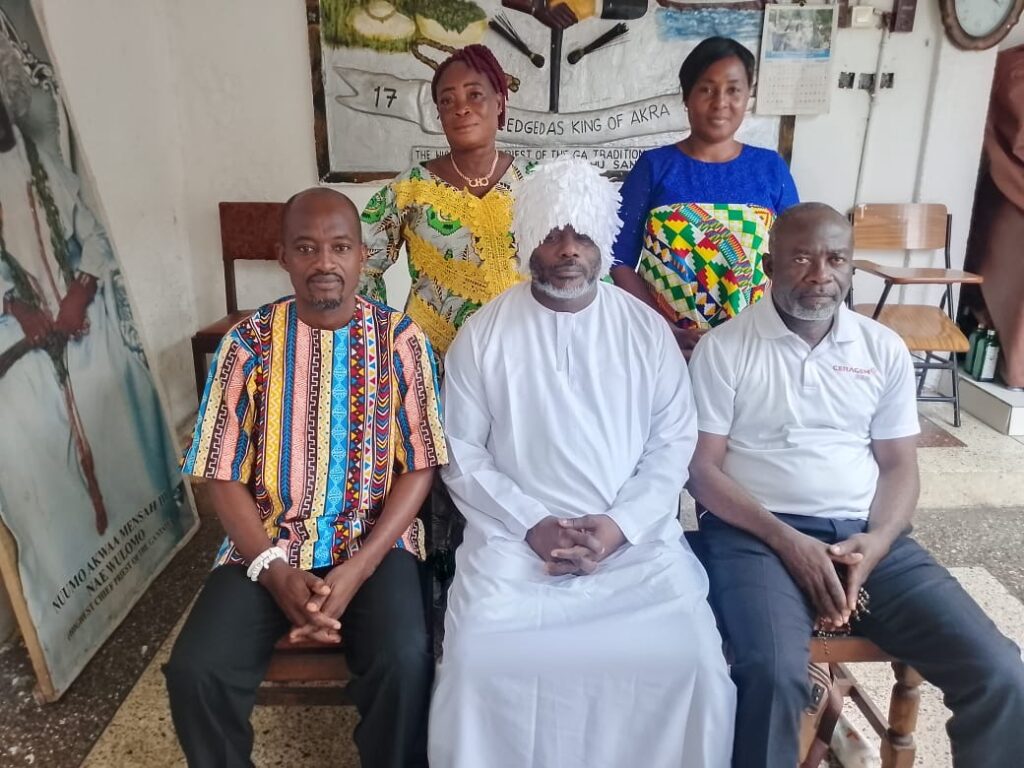
Through the Eastbourne Foundation, she has supported more than 10 children over the years and currently assists about five.
But behind her commitment to helping others is a deeply personal story of a woman who once received a helping hand herself and made a decision never to forget it.
“If somebody has done that for me, I need to do it for somebody,” she says.
That belief has become the driving force behind her philanthropic work.
The Eastbourne Foundation was established five years ago to support children in need, particularly those facing financial difficulties that could prevent them from continuing their education.
For Georgina, the work is not about a child’s tribe, background or social status. What matters is genuine need.
When cases are brought to the attention of those who assist with the foundation’s work in Ghana, the welfare committee of the foundation assess the circumstances and inform her. She then provides financial support where necessary.
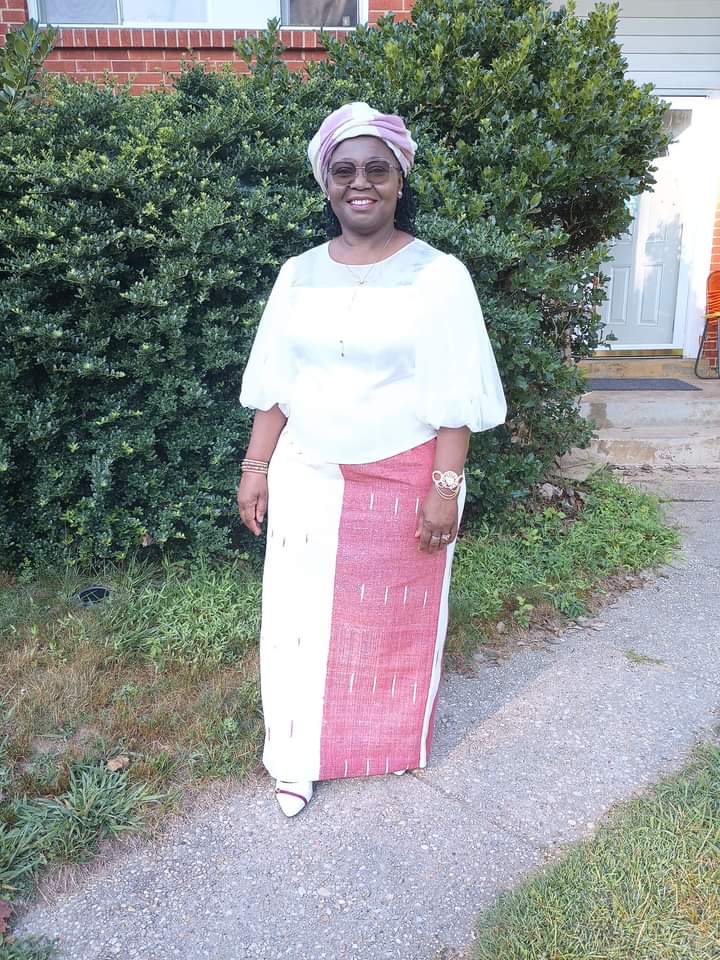
Her support has gone beyond paying school fees. For some beneficiaries, she has taken responsibility for health insurance, transportation to and from school, medical expenses and other educational needs.
Her motivation, she says, comes from her own background and life experiences.
“If you have help, you can get somewhere,” she says. “There are people who can do things, but without help, they may not get the opportunity to become what they can be.”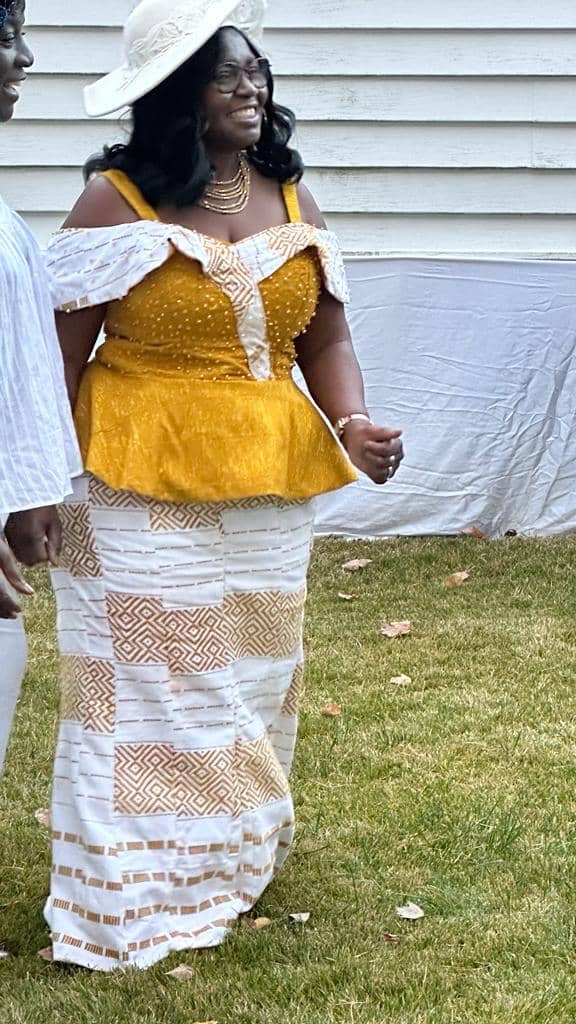
For Georgina, helping a child is therefore not merely an act of charity; it is an investment in human potential.
Her journey of supporting others has not always produced the outcomes she hoped for. One girl she supported was exceptionally brilliant. Georgina followed her educational journey closely and provided support for her schooling and other needs.
But as the girl approached graduation, family circumstances changed and she eventually disappeared from Georgina’s life. The experience was deeply painful.
In another case, Georgina supported a girl from primary school through senior high school. After the girl completed school, a misunderstanding arose between Georgina and the beneficiary’s family concerning the assistance she had received.
The relationship broke down and the support could no longer continue.
Such experiences have taught her about disappointment and human nature. Yet, they have not stopped her from helping.
“I don’t think that is a deterrent to helping somebody,” she says. “You can’t have everything right. So I still do it.”
For Georgina, disappointment should not destroy the desire to do good.
Her passion for helping children is rooted in her own experience.
When she was preparing to train as a community health nurse, one of her pastors, Emmanuel Aladira, came to her aid.
The course was a three-year programme, and the pastor helped her obtain the items she needed for school, purchasing enough to support her throughout the training. The gesture made a lasting impression on her.
Years later, as she became professionally established, she remembered that someone had once looked at her potential and decided that she was worth supporting.
She came to believe that she, too, had a responsibility to do the same for others.
Born and bred in Adedeinkpo, a suburb of Jamestown, Accra, Georgina began her education at Ayalolo Cluster of School and completed her middle school education with distinction and was among only two pupils in her class to achieve that feat.
Yet, her journey was not always straightforward.
After completing school, she stayed home for some time and briefly tried her hand at catering. She did not enjoy it.
Then one day, a friend told her she had applied to nursing school and encouraged Georgina to do the same.
She took the chance and that decision changed her life.
She performed exceptionally well in the national entrance examination, placing second in the country, and in 1982 began training as a community health nurse.
After graduating, she returned to Accra and began working at Princess Marie Louise Hospital, popularly known as the Children’s Hospital. Her ambition, however, did not end there.
When she heard that a former classmate had written the General Certificate examination and passed, she challenged herself to do the same.
“If she can do it, then so can I,” she reasoned.
She studied for seven months, wrote the examination and performed well enough to continue her education.
Her determination produced remarkable results. During her nursing training, she emerged as the highest-performing student in the country in her first year. When she graduated in 1992, she again excelled in practical nursing.
She later trained as a midwife and practiced for about 25 years before travelling to the United States.
Even as she approaches retirement, Georgina is thinking about how she can continue giving back.
She currently supports about five children through the Eastbourne Foundation and hopes to expand her community work after retirement.
She plans to establish a reading club where children can come after school for help with their homework and improve their reading skills.
She is also considering starting a non-denominational Sunday school to reach children in the community who may need spiritual, educational and social support.
Her vision is to create a space where children can be welcomed, fed, guided and encouraged to become the best version of themselves.
For Georgina, retirement will therefore not mark the end of service, but rather offer an opportunity to do even more.
By Esinam Jemima Kuatsinu
SKIP THE QUEUE, TAP THE NEWS
You can now read the Ghanaian Times and The Spectator newspapers from the comfort of your device via TimesNewsPlus.
Join our WhatsApp Channel: https://whatsapp.com/channel/0029VbBElzjInlqHhl1aTU27

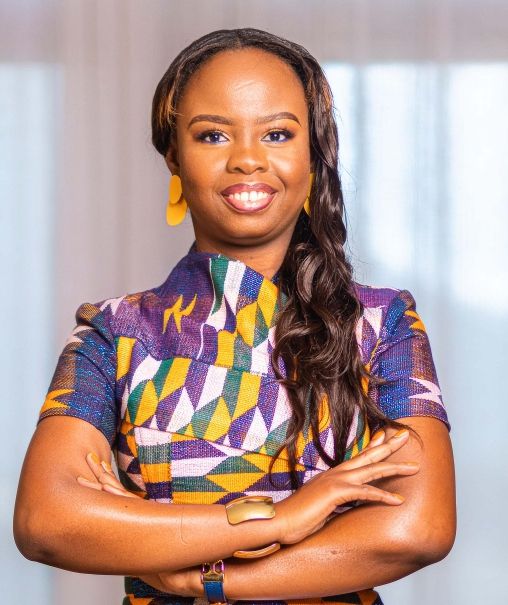
For Dr Penelope Adinku, becoming Ghana’s first female cardiothoracic surgeon was never part of her childhood plans. As a young girl, she was more interested in books and once dreamed of becoming an author of children’s books.
Reserved, bookish and competitive, she loved reading Enid Blyton, Nancy Drew, the Hardy Boys, The Famous Five and The Babysitters Club. She also enjoyed dancing, while church gradually became an important part of her life.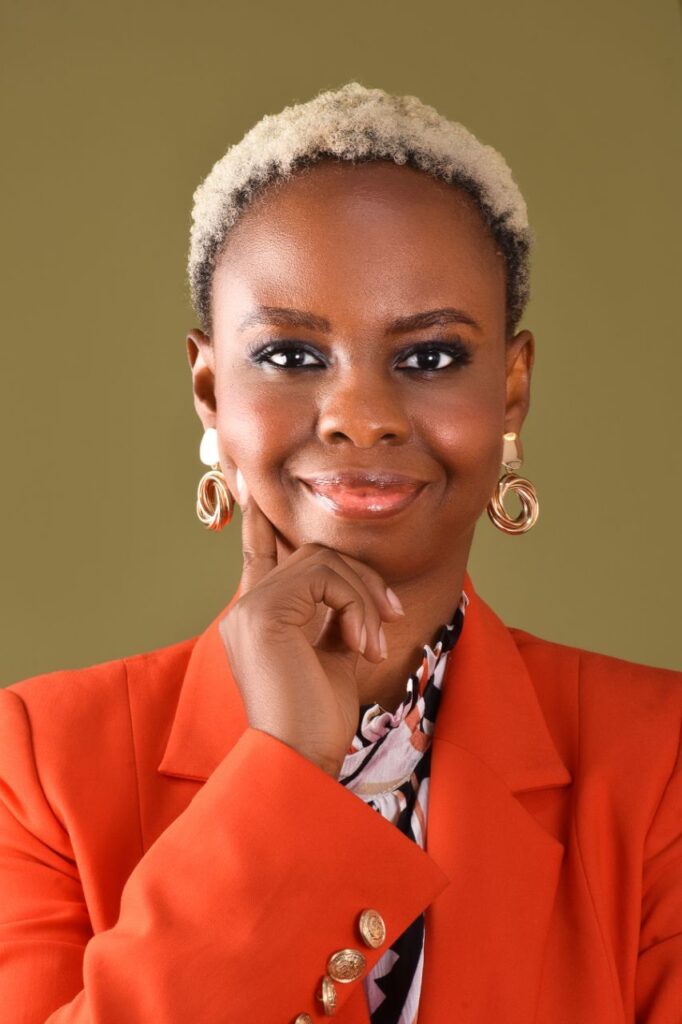
Medicine became an option through her family. Her father, Mr Ambrose Tettey, is a pharmacist and her mother is a teacher. Her immediate older sister entered medical school before her, and watching her journey, together with the encouragement of her parents, eventually influenced Dr Adinku to pursue medicine.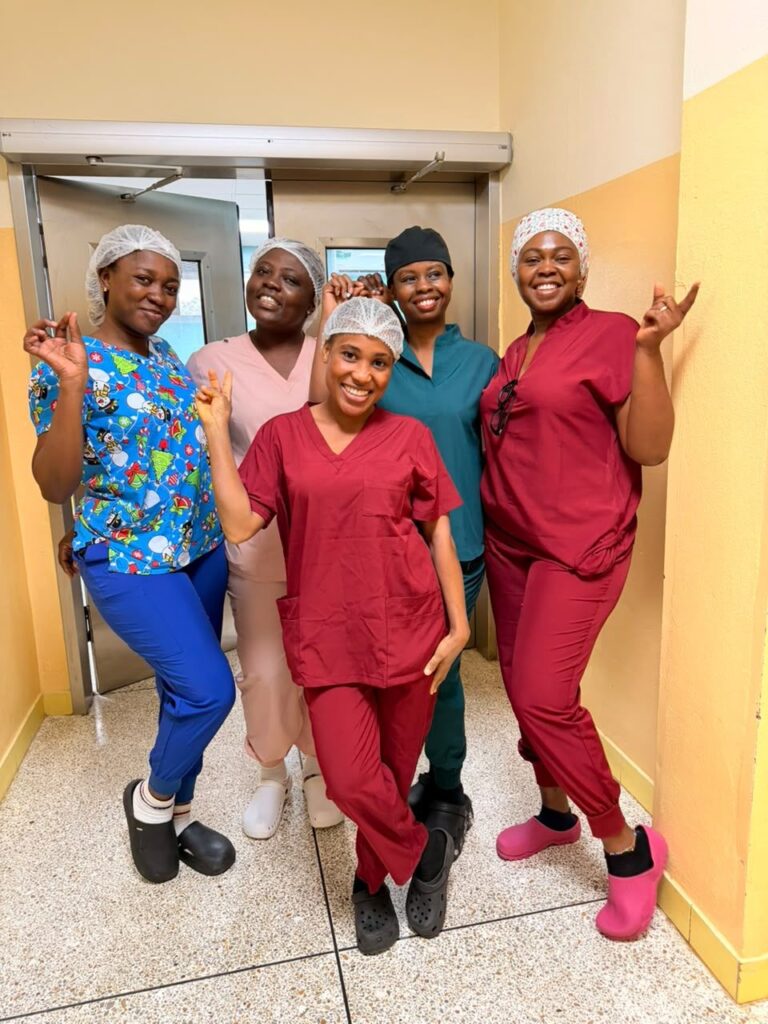
Her earliest memories of hospitals were, interestingly, linked to recovery. Whenever she was admitted as a child, her parents knew she was improving when she would tell her father, “Daddy, I can spell…”
She eventually discovered her passion for surgery during her final year of medical school. While rotating through the Department of Surgery, she watched surgeons treat patients and realised that she wanted to become one.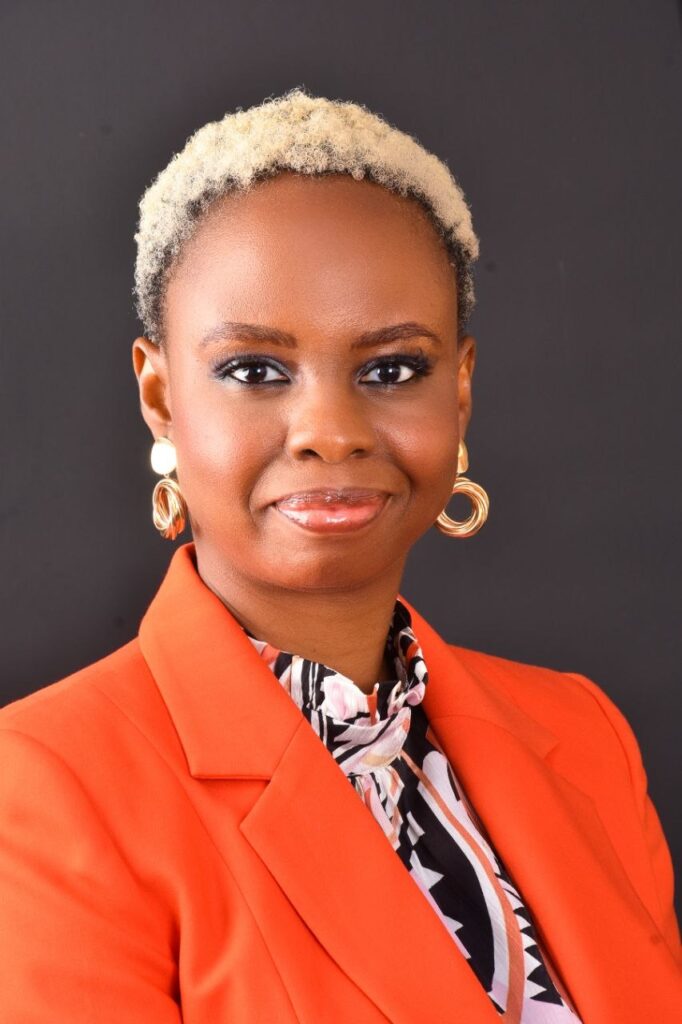
Her interest in cardiothoracic surgery grew during her housemanship in paediatrics, where she encountered children with congenital heart disease. She developed a desire to help such children, drawing her towards the highly specialised field.
The decision was not without resistance. Some health professionals discouraged her because of the demanding nature of cardiothoracic surgery. Her family, however, encouraged her to continue. “They had more faith in me than I had in myself at the time,” she recalls.
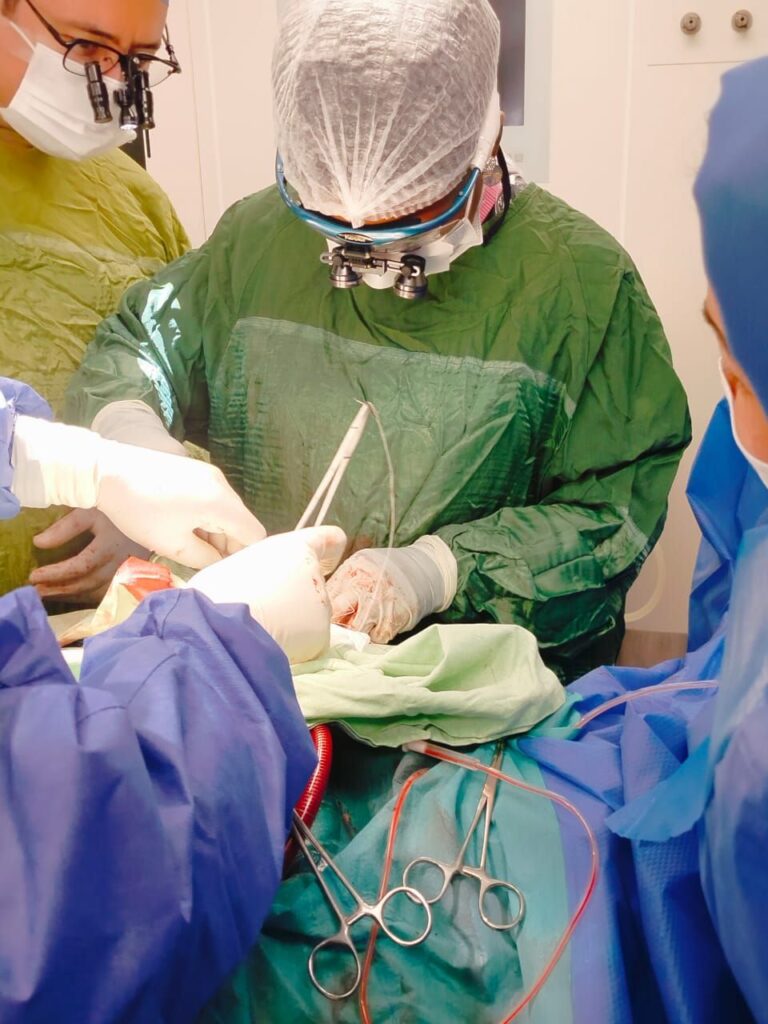
What attracted her most was the challenge and the opportunity to intervene when vital organs such as the heart and lungs are compromised. For her, it was the privilege of using her God-given ability to give someone a chance at a healthier and longer life.
Her journey was shaped by navigating a specialty that has traditionally been male-dominated. She learnt to focus on her work, build trust and let her results speak for themselves.
During her clinical fellowship in Egypt, encouraging consultants gave her opportunities to participate in major cases. The experience strengthened her confidence and helped her realise that she could thrive in the specialty.
She successfully completed her Fellowship training with the West African College of Surgeons and was adjudged the best candidate in Cardiothoracic Surgery at the 2022 Fellowship Examinations, becoming the first Ghanaian female cardiothoracic surgeon.
For Dr Adinku, the achievement is more than a title. She hopes her story will inspire young Ghanaian girls and women to pursue careers that may appear unconventional.
“If a young girl sees my story and thinks she can pursue her own dream too,’ then that is deeply meaningful to me,” she says.
Her work extends beyond surgery. She is involved in research, medical education, mentorship and professional leadership. She is a member of the Ghanaian Society of Cardiovascular and Thoracic Surgeons and serves as its Treasurer.
Her achievements have earned her the IAP Young Physician Leader Award, the Young Star Award and the Valerie Rusch Mentored Career Development Award from the American Association for Thoracic Surgery.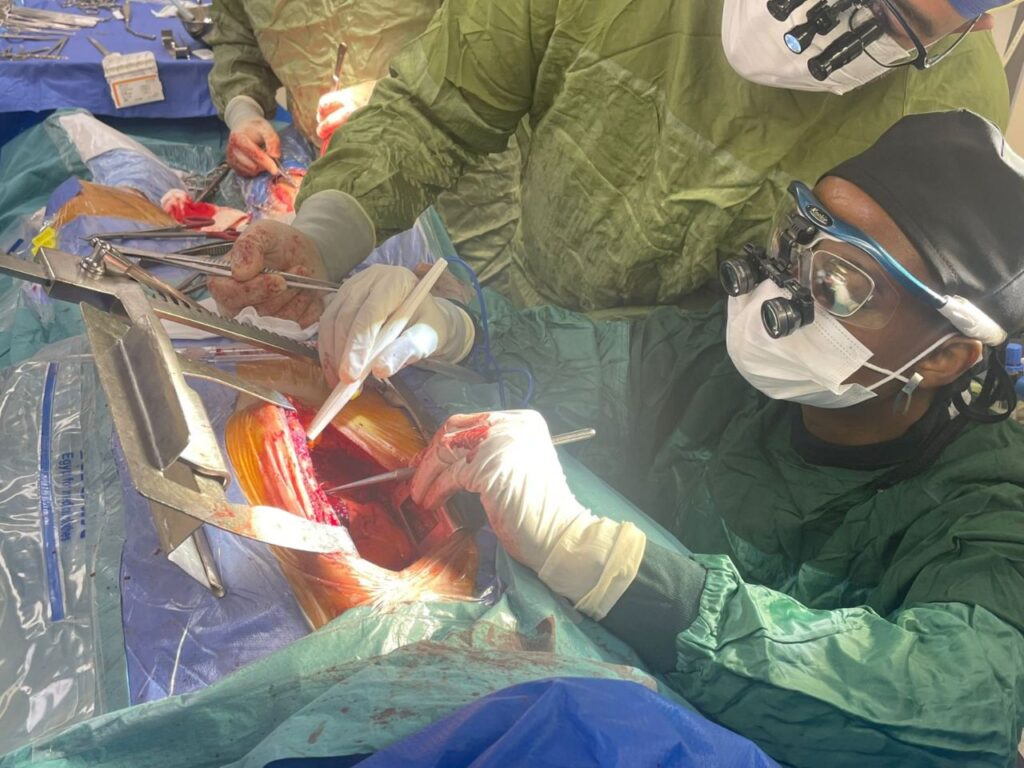
For her, standing before a patient whose life depends on surgery brings a profound sense of responsibility. She remains focused and humble, recognising that behind every patient is a family hoping for a safe outcome. Her faith helps her trust God with what remains beyond her control.
When an operation does not have the desired outcome, she acknowledges the disappointment, reflects on what happened and discusses difficult cases with senior colleagues and her team. She then moves forward, committed to giving the next patient the same level of care.
Balancing such a demanding career with family life has not always been easy. Dr Adinku credits her supportive family and friends for helping her through the journey. Outside the hospital, she makes time for family, faith, church and activities that keep her grounded.
She is particularly grateful to her husband, Rev. Ernest Adinku; her parents, Mr and Mrs Ambrose Tettey; her sisters Gertrude, Grace-Imelda and Audrey-Jacqueline and their families; her mentors, close friends, the Wesley Girls High School Sisterhood, past and present directors of the National Cardiothoracic Centre, and colleagues who have supported her.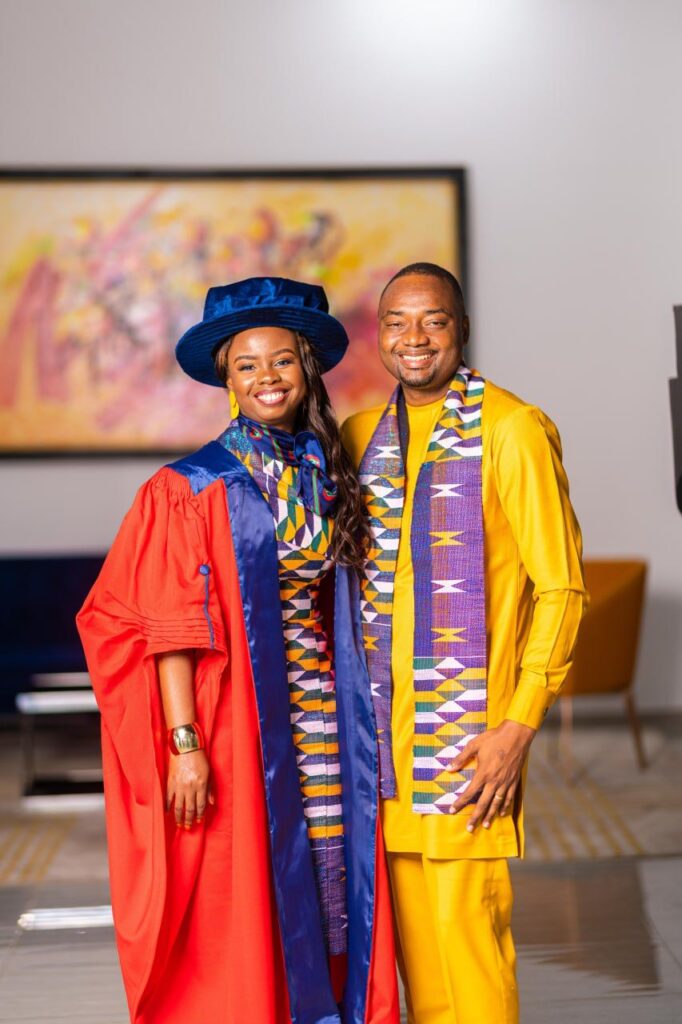
She urged young girls to believe in themselves, work hard, learn, ask questions and keep improving.
“There will be people who doubt you, and there may also be times when you doubt yourself,” she says. “Don’t disqualify yourself before you have even had the chance to try. You may be capable of far more than you currently believe.”
By Esinam Jemima Kuatsinu
SKIP THE QUEUE, TAP THE NEWS
You can now read the Ghanaian Times and The Spectator newspapers from the comfort of your device via TimesNewsPlus.
Join our WhatsApp Channel: https://whatsapp.com/channel/0029VbBElzjInlqHhl1aTU27
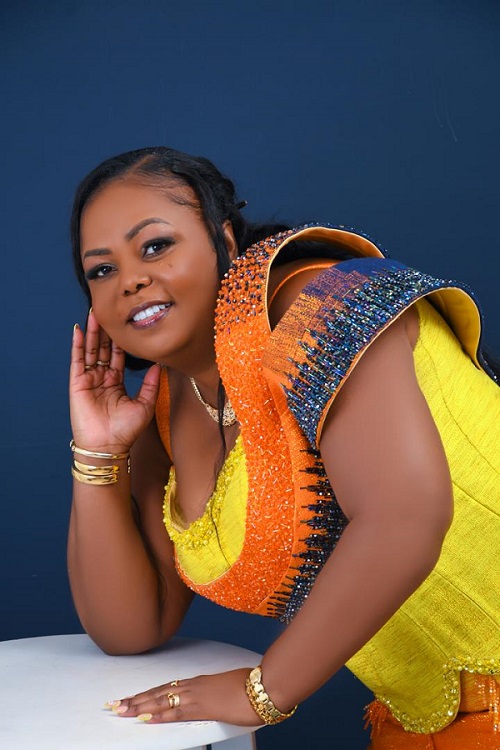
Life does not always hand you a script, but you always control how you write the next chapter.
That is the story of Mrs Elizabeth Sackey, affectionately called Liz Sackey, a woman who refused to be put in a box, trading her secretarial desk for the vibrant worlds of global wine and traditional Kente.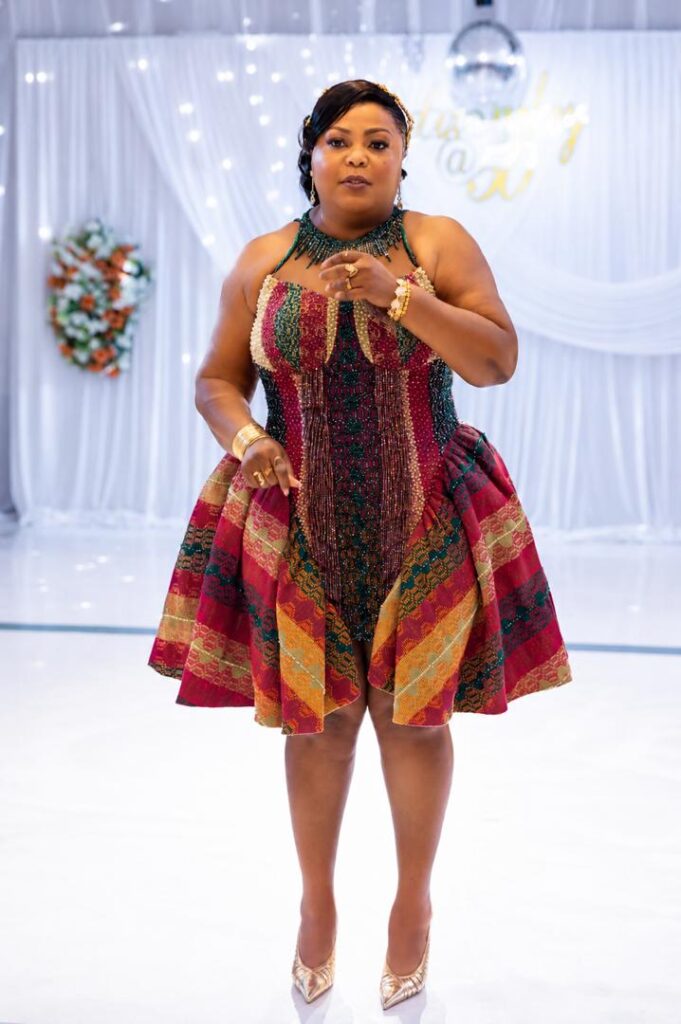
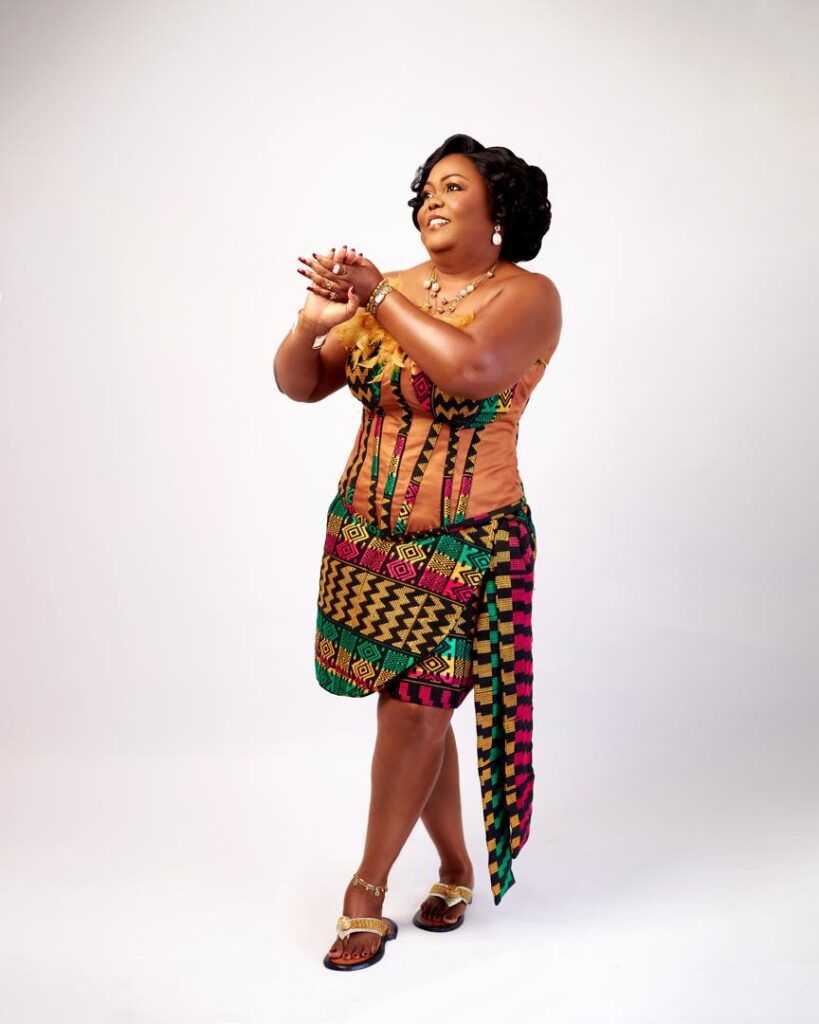
Her journey proves that whenever life pushes you, you can use that momentum to leap into greatness.
Born on Friday, June 11, 1976, in New Achimota, Elizabeth inherited a perfect mix of corporate strategy and perseverance.
Her father, Benjamin Ayivor, was a Marketing Officer for Ghana Airways, while her mother, Janet Ayivor, was an enterprising businesswoman. This combination of global vision and local trade ran deep in her DNA.
Her journey began at Greenhill International School, and later to Mfantsiman Girls Secondary School, Saltpond where she completed her secondary school education.
Soon after, she built her professional foundation at Dard Secretariat School in Accra New Town.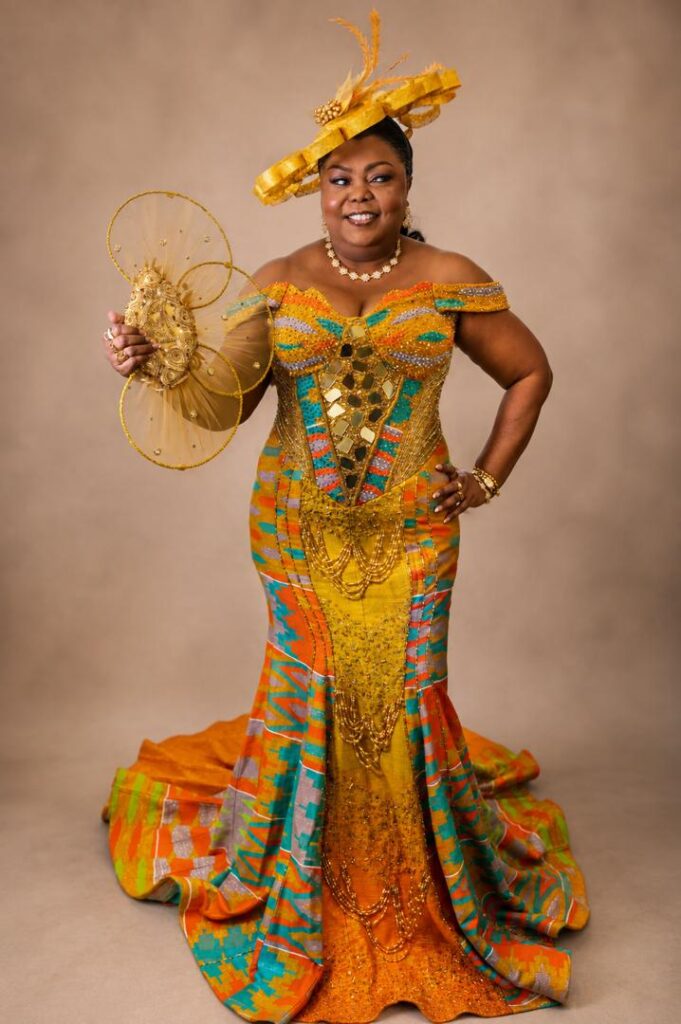
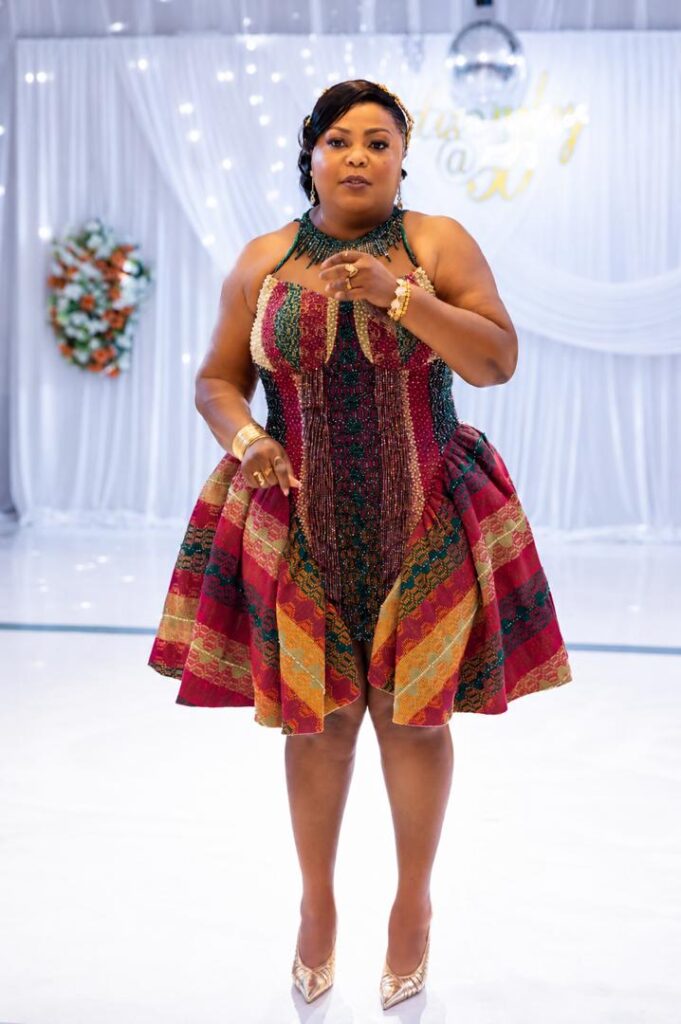
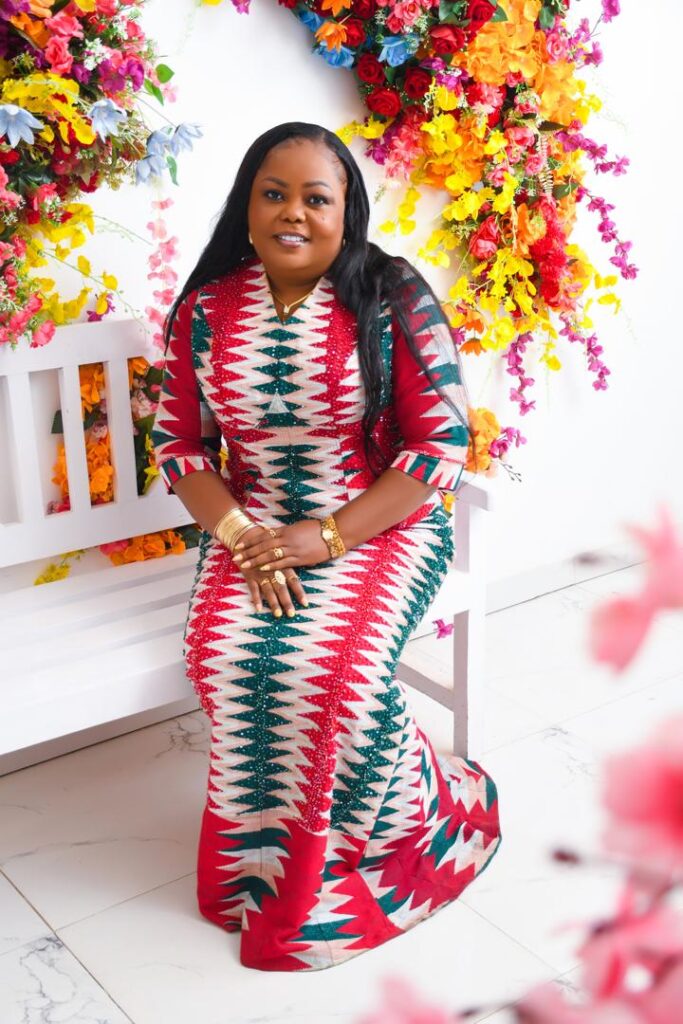
For three years, Elizabeth kept things running smoothly at a fast-paced law firm. Around this time, she also got married to Chief Eng. Daniel Nii Ayi Sackey, Head of Marine Engineering, Ghana Ports and Harbours Authority, with whom she has a daughter.
But Elizabeth wanted more out of life. Balancing a busy life, she went back to school which then pushed her forward into Regent University, graduating with a degree in Banking and Finance in 2009.
After her National Service in the accounts office of the Volta River Authority (VRA), she and her husband took off to travel overseas many times.
Travel changes you, and for Elizabeth, it sparked a business empire. While exploring global cities, she fell in love with how international shops organised their wines by country of origin.
When she one day stepped off the plane back in Ghana, she did not look for another desk job. Instead, she took a leap of faith and launched Wines of the World Enterprise, bringing that experience straight to Accra.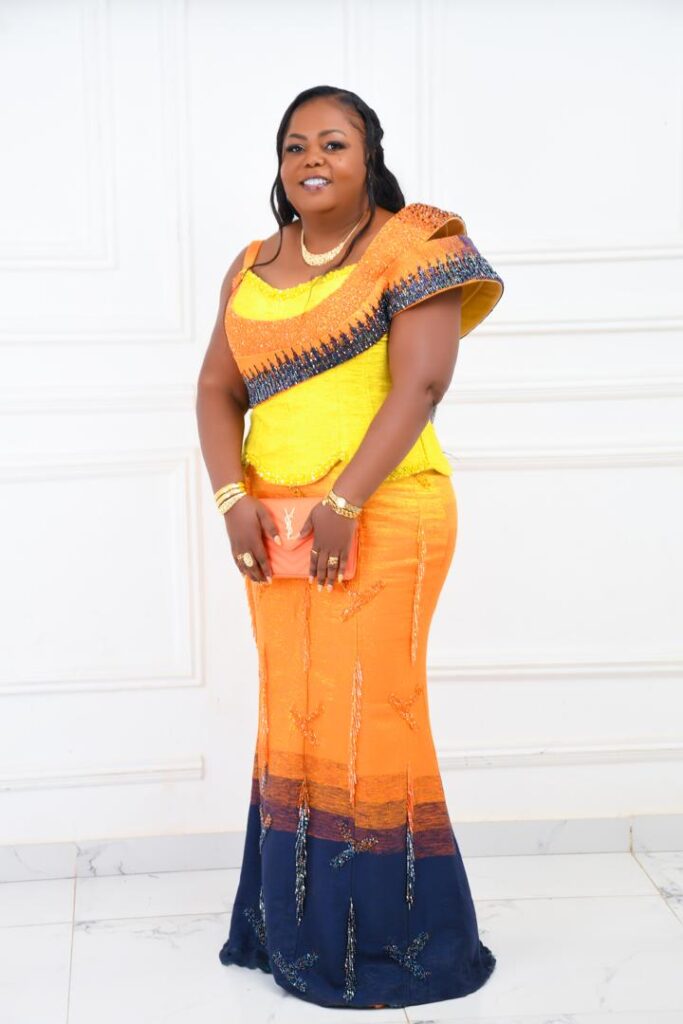

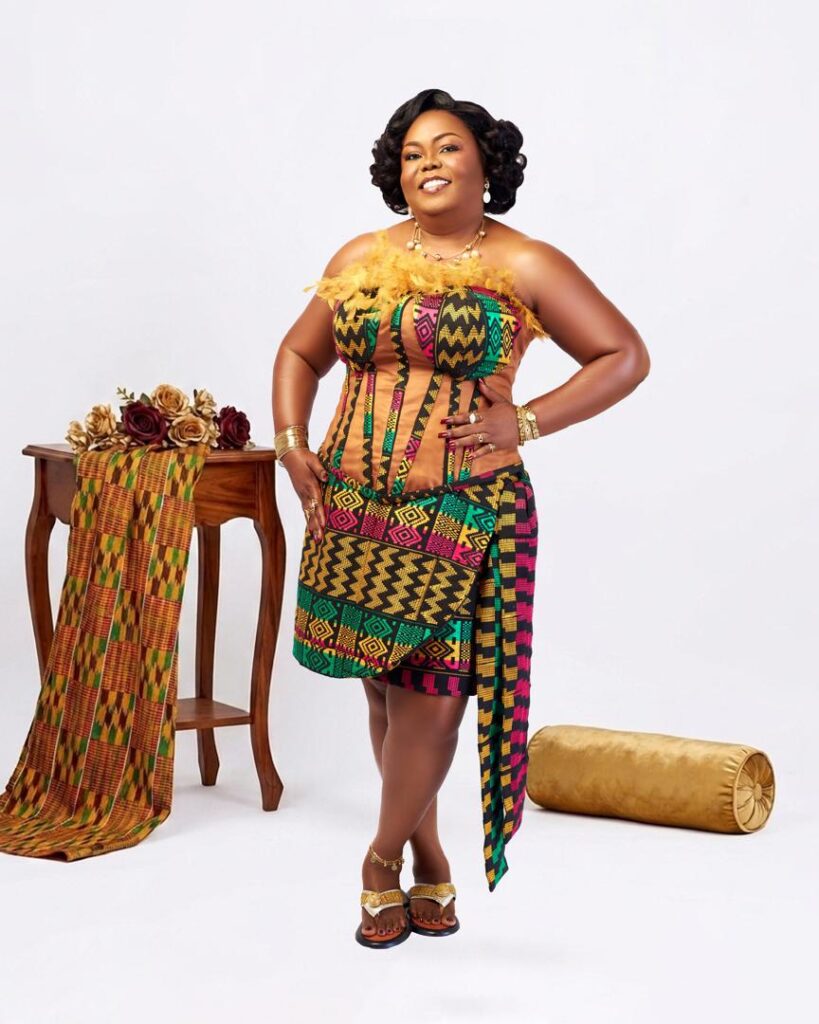
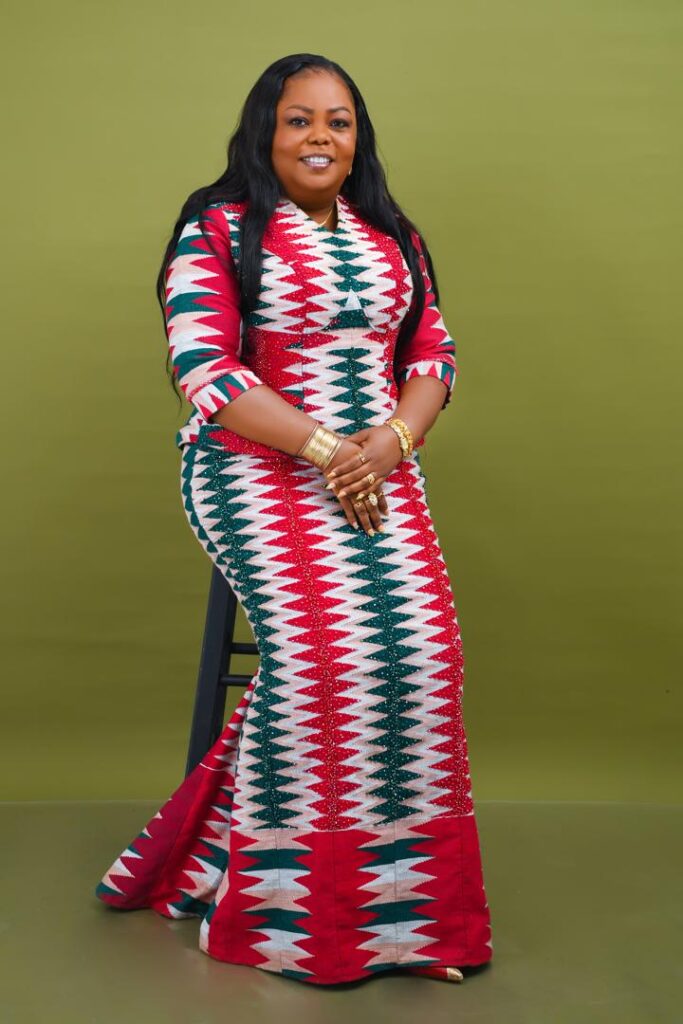
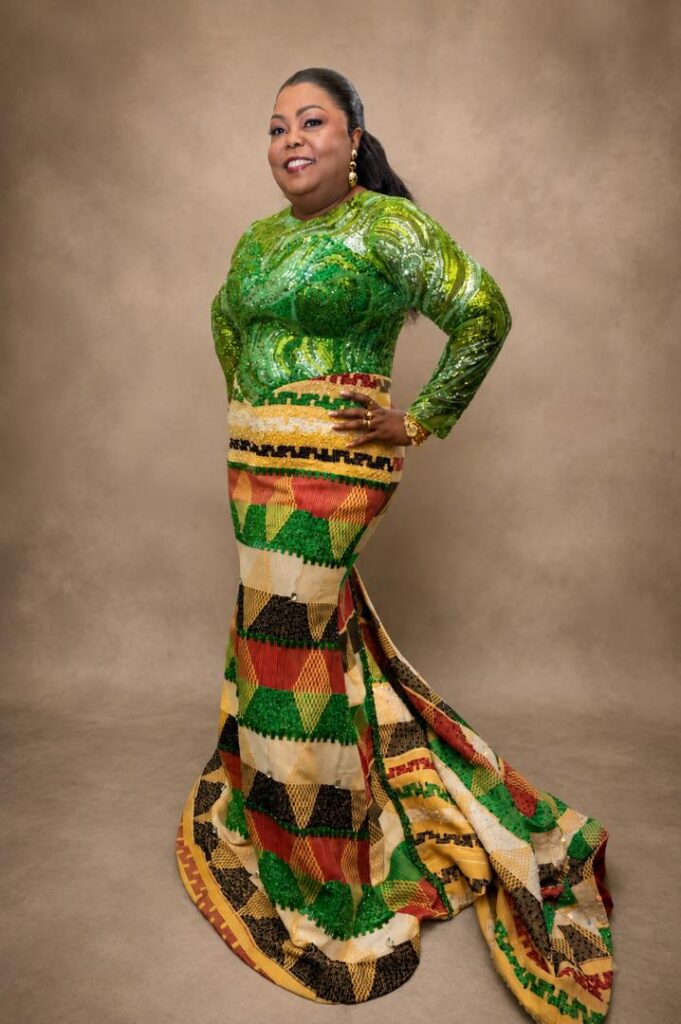
Entrepreneur by day, scholar by night. She balanced the hustle of business with rigorous study at the Ghana Institute of Management and Public Administration (GIMPA) to earn her Master’s in Development Management.
Her passion for heritage later pulled her into Ghana’s rich textile industry, where she successfully broke into the world of premium Kente.
“Thirteen years into my entrepreneurial journey, a simple gift of wine and family-woven Kente sparked a brand-new passion,” she discloses to The Spectator.
What started as casual curiosity grew into a deeply fulfilling venture dedicated to sharing Ghana’s rich cultural heritage with the world.
By sharing iconic, masterfully crafted designs like ‘Ewdenisiedwenisu,’ (a beautiful, and complex mix of many different patterns), Emerepa (a distinct collection of traditional structures), and the regal Obaama cloth, she is driving Ghana’s cultural tourism straight into the global spotlight.
After transforming that single baby gift into a thriving venture, she has taken Ghana’s rich heritage far beyond to local borders.
“I help people globally to choose the perfect colours for their most sacred occasions, using tradition to boost our national tourism. So far, so good,” she declares with pride.”
By introducing the vibrant art of Kente to international audiences, especially those who had admired the fabric from afar but had never actually worn it, she is proving that culture is Ghana’s greatest global asset.
Mrs Elizabeth Sackey firmly believes that if the nation heavily champions the Kente industry, it will skyrocket Ghana’s cultural tourism to incredible new heights.
“The future of Kente is bright and wide,” she states with absolute conviction. International travellers are no longer just admiring the fabric; they want to wrap themselves in it.
“Pairing an intricately designed Kente with a bold, plain Kente is the ultimate secret,” she reveals with a smile.
For her, styling clients is not just part of the job, it is a natural gift. The moment a client mentions their colour, her creative instincts take over. She freely guides people to their perfect match, ensuring that every vibrant shade shines beautifully for their special occasion without overwhelming the eye.
“Choosing the Kente is one thing, but finding the right person to sew it is an entirely different battle,” she points out.
For her, ensuring a flawless final look means going the extra mile. She frequently steps in to consult directly with fashion designers, dictating the exact style and required yard to protect the fabric’s integrity. It is a meticulous, hands-on approach born out of necessity.
Despite the immense fulfillment of her textile venture, her journey has been paved with steep hurdles to surmount.
“When the rains fall, the looms slow down and that is just the beginning of the battle,” she reveals.
She says the rainy season brings severe production delays, making bulk orders of complex designs a test of patience. Worse than the weather, however, is the threat of cultural theft. Shoddy imitators and opportunistic businessmen are stealing sacred Kente patterns like ‘Meba wo abrokyire’ (My child lives abroad) and printing them cheaply onto ordinary cloth.
Fiercely protective of Ghana’s heritage, she is calling on the government to step in, secure the borders, and legally halt the mass piracy of Ghana’s intellectual property.
Liz Sackey is a proud member of the International Central Gospel Church (ICGC). She enjoys unwinding in the kitchen, cooking to the rhythm of her favourite music.
Turning 50 has only amplified her mission to inspire the next generation, sending a powerful wake-up call to the youth to stop being idle.
“The future is bright so grab the massive opportunities waiting for you and boldly venture into new fields,” she advises.
By Georgina Quaittoo