News
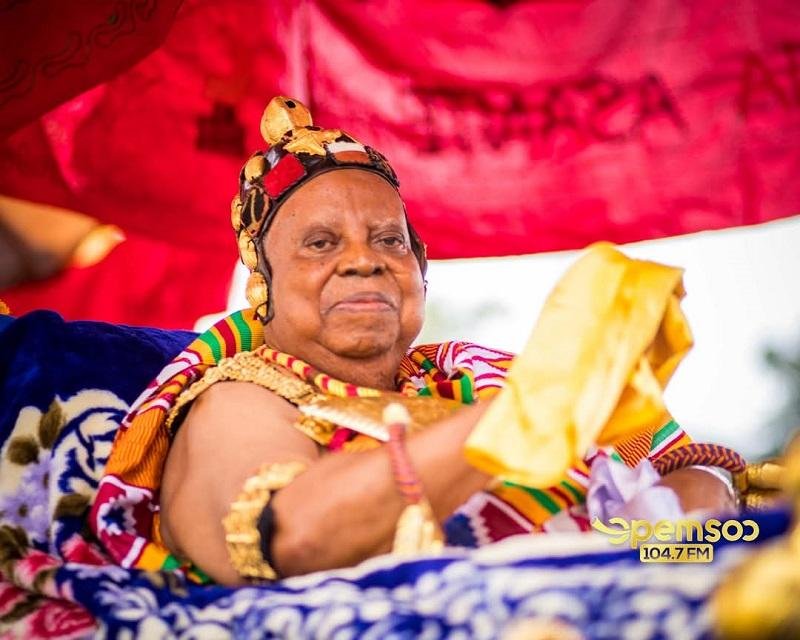
Asokore celebrates 30 years of Nana (Dr) Susubribi Krobea Asante’s reign

- /home/u249204778/domains/spectator.com.gh/public_html/wp-content/plugins/mvp-social-buttons/mvp-social-buttons.php on line 27
https://spectator.com.gh/wp-content/uploads/2025/08/Nana-Dr.-Susubribi-Krobea-Asante-Kown-in-private-life-as-Samuel-Boateng-Asante-in-palaquin-800x600.jpg&description= Asokore celebrates 30 years of Nana (Dr) Susubribi Krobea Asante’s reign', 'pinterestShare', 'width=750,height=350'); return false;" title="Pin This Post">
- Share
- Tweet /home/u249204778/domains/spectator.com.gh/public_html/wp-content/plugins/mvp-social-buttons/mvp-social-buttons.php on line 72
https://spectator.com.gh/wp-content/uploads/2025/08/Nana-Dr.-Susubribi-Krobea-Asante-Kown-in-private-life-as-Samuel-Boateng-Asante-in-palaquin-800x600.jpg&description= Asokore celebrates 30 years of Nana (Dr) Susubribi Krobea Asante’s reign', 'pinterestShare', 'width=750,height=350'); return false;" title="Pin This Post">
August 23, when scores of revellers, dignitaries and well-wishers gathered for a colourful durbar to mark the 30th anniversary of the enstoolment of the Paramount Chief (Omanhene), Nana (Dr) Susubribi Krobea Asante.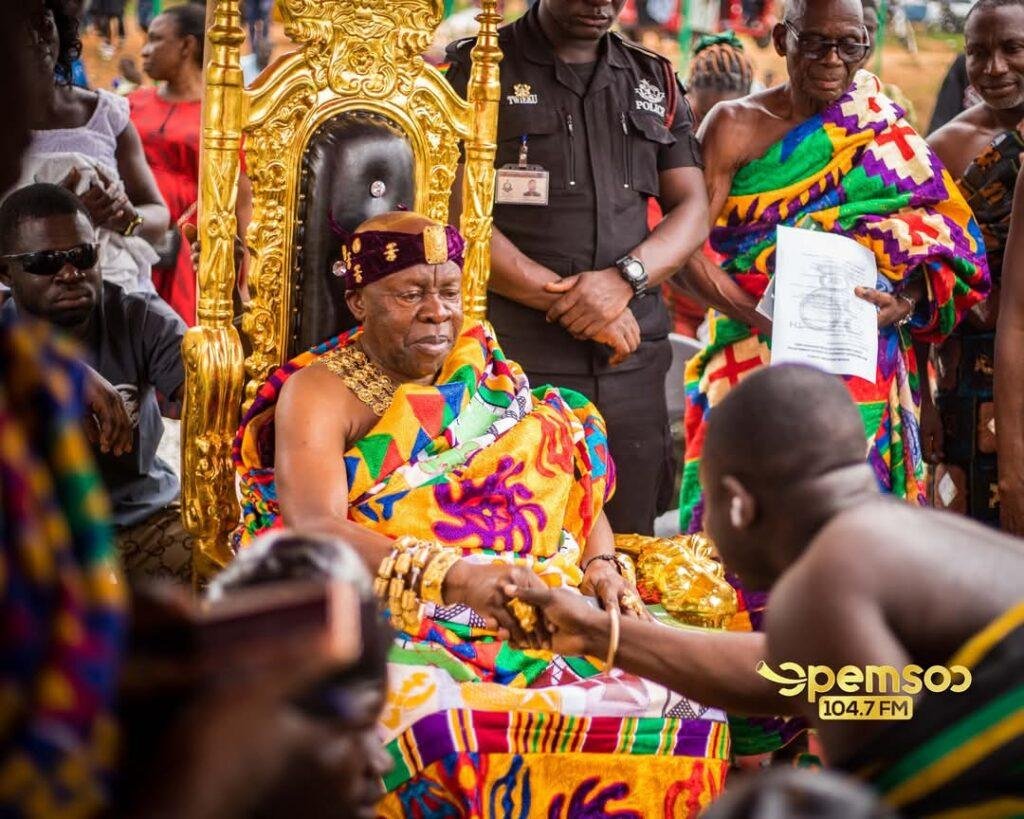
The grand celebration drew traditional leaders, including chiefs and queen mothers, from all the towns and communities under the Asokore Traditional Council (ATC), including Seniagya, Senchi, Okaikrom, Bomso, Akokoaso, Brofoyedu, Odurokurom and Ahwerewa.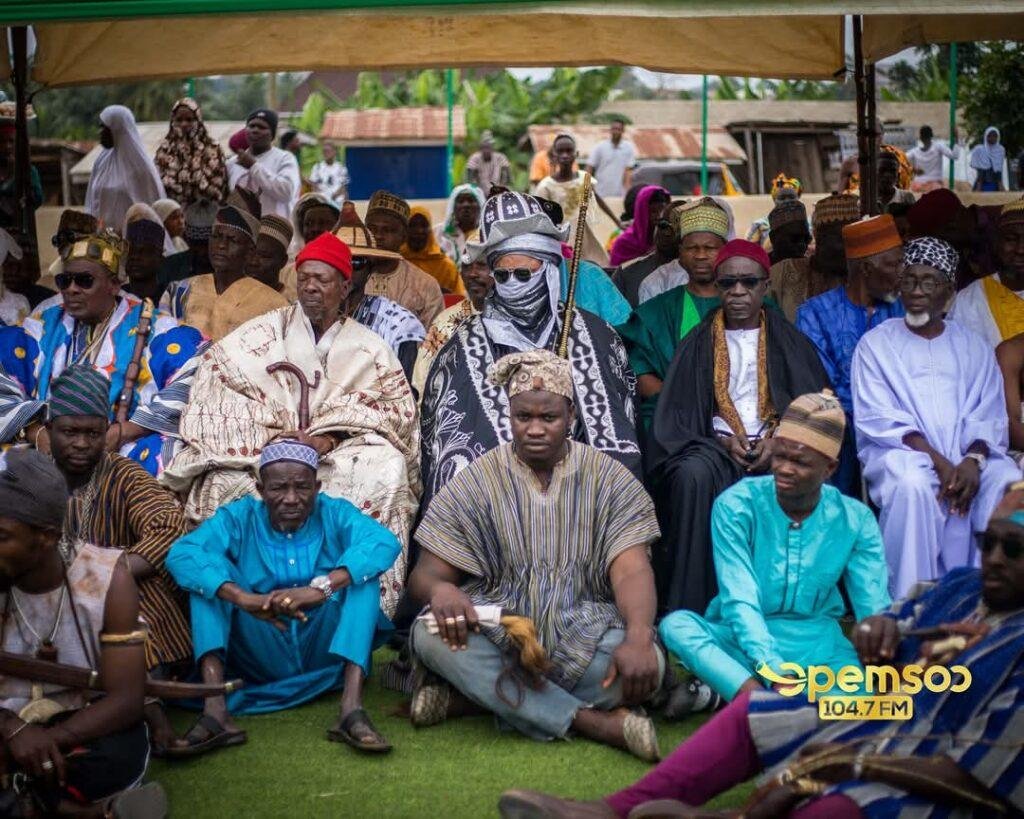
Also present were prominent national figures, such as the President of the National House of Chiefs and Paramount Chief of the Sefwi Anhwiaso Traditional Area, Ogyeahoho Yaw Gyebi II; distinguished economist Mr. Kwame Pianim; former Presiding Bishop of the Methodist Church Ghana, Most Rev. Prof. Emmanuel Asante; as well as members of the clergy and leadership of the Muslim community of Asokore.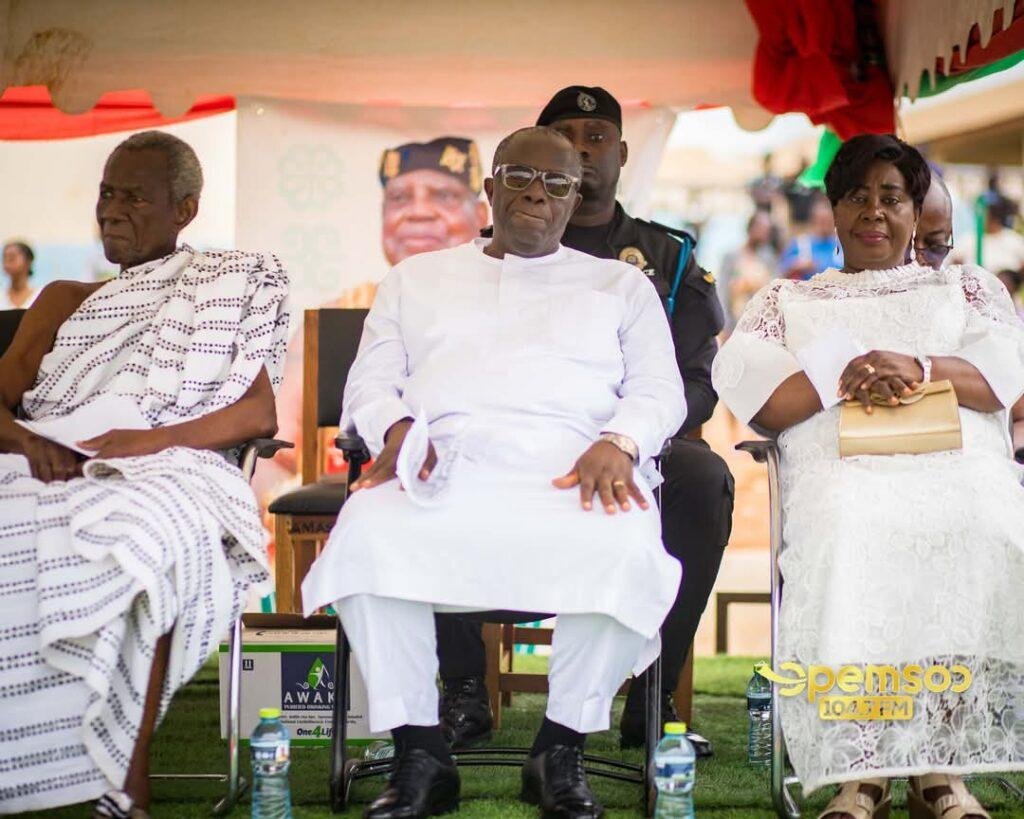
Held on the theme “30 Years of Leadership and Development,” the durbar did not only celebrate the impactful reign of Nana (Dr) SKB Asante but also showcased the progress and achievements the Asokore Traditional Area has recorded under his leadership since he ascended the Atweneboah Stool in 1996.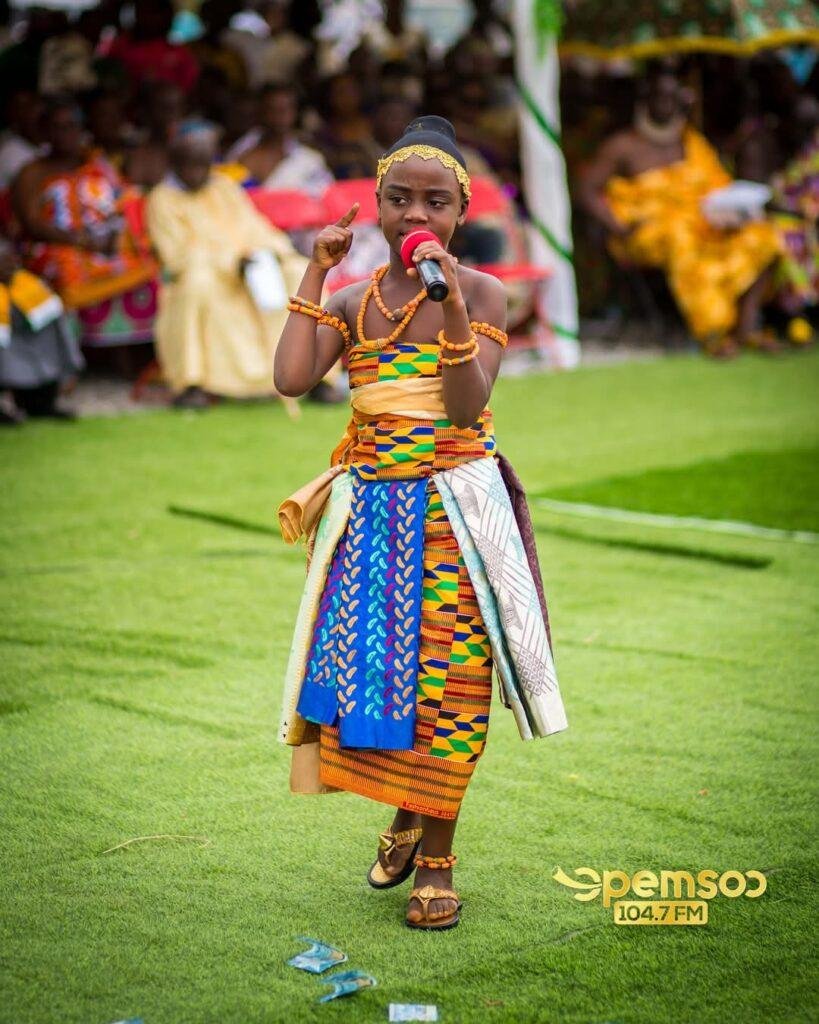
Acclaimed as the “Father of the 1992 Constitution of Ghana,” Nana SKB Asante chaired the Committee of Experts that drafted the Constitution which ushered Ghana into the Fourth Republic.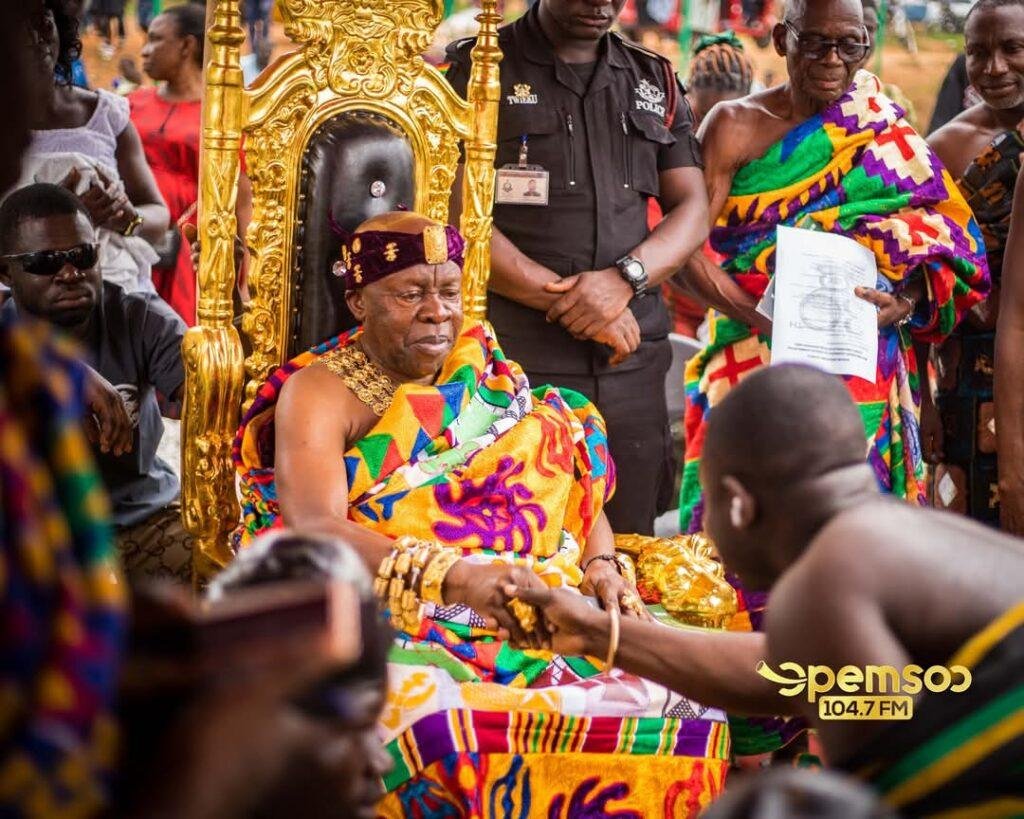
His career is a rich chronicle of national and international service. On the national stage, he has served as Solicitor-General of Ghana (1969), Dean of the Faculty of Law at the University of Ghana (1971–73), First Deputy Attorney-General of Ghana (1974), founding head/ chair of the Public Utilities Regulatory Commission (1997), President of the Ghana Academy of Arts and Sciences (2001–2004) and currently a Member and Chair of the Committee on Legal Affairs of the National House of Chiefs.
Internationally, Nana SKB Asante’s influence has extended across the globe. He worked as an attorney at the World Bank’s Legal Department (1966–1969), Chief Legal Advisor at the United Nations Centre on Transnational Corporations in New York, and was a member of the International Chamber of Commerce (ICC) Court of Arbitration.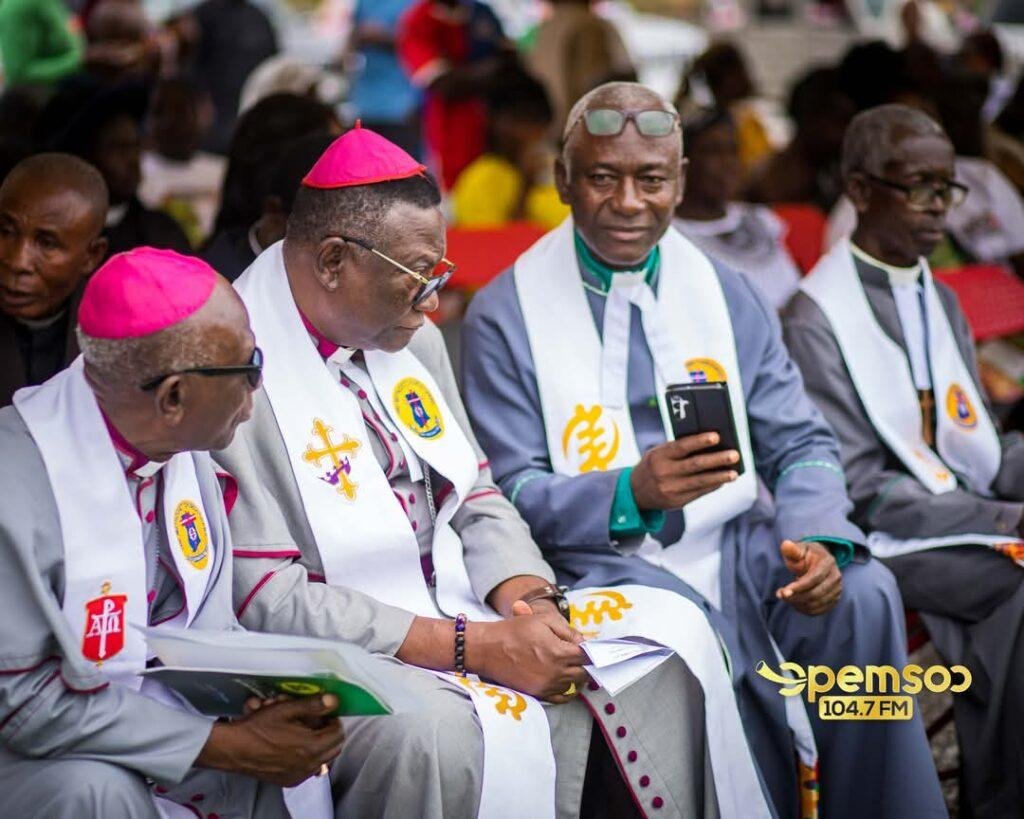
The colourful durbar was thus more than a celebration of a milestone; it was a recognition of a remarkable leader whose vision, scholarship and service continue to enrich both his community and the nation at large.
Join our WhatsApp Channel now!
https://whatsapp.com/channel/0029VbBElzjInlqHhl1aTU27






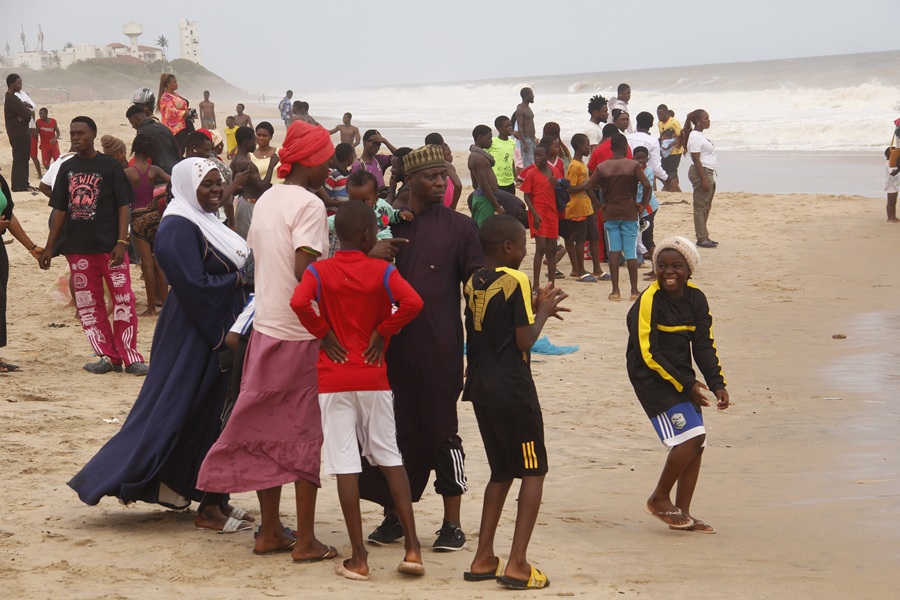
It was an exciting moment as hundreds of revellers from various parts of Accra trooped to the independence square beach in Osu to celebrate Kwame Nkrumah Memorial Day.

Parents were seen with their children having fun and enjoying the moment.
Others made the best of their outing by engaging in other fun activities.


For many, the day was more than just a holiday. It was a chance to remember what Ghana’s First President, Osagyefo Dr Kwame Nkrumah, stood for.
Beach operators said this year’s turnout was very high and security personnel and lifeguards were also on hand to ensure safety and order.

The United Nations has warned, that Gender equality is “woefully off track.”
At the current rate of progress, gender equality would take 171 years to achieve, the UN’s Gender Snapshot report said.
The number of countries with a woman as head of state or government has increased from 2020 to 2026. “Yet six in seven countries are still led by men.
Women’s representation in national cabinets declined to 22.4 per cent in 2026, after peaking at 23.3 per cent in 2024,” the report said. “The decline is a warning sign that gains cannot be taken for granted, and that progress towards equal political power remains fragile.”
Funding for gender equality has fallen to its lowest level since 2021, the report found. At the same time, 42 per cent of UN agencies reported that their efforts to promote gender equality had been weakened, as a result of budget cuts.
Millions of women also continued to endure some extremely severe forms of violence and discrimination across the globe, the UN said. Nearly one in five girls is married before the age of 18, and nearly one in three women globally have survived partner or sexual violence in their lifetime.
In the past year, 316 million women experienced physical or sexual violence by an intimate partner, the report said.
UN Under-Secretary-General for Economic and Social Affairs, Li Junhua, said the statistics were not inevitable. “It is the result of choices, made visible through data. Investing in gender equality, institutions, and the statistical systems that hold them to account is not a cost. It is the fastest route back to the 2030 Agenda’s promise of equal power for all.”-GNA
SKIP THE QUEUE, TAP THE NEWS
You can now read the Ghanaian Times and The Spectator newspapers from the comfort of your device via TimesNewsPlus.
Join our WhatsApp Channel: https://whatsapp.com/channel/0029VbBElzjInlqHhl1aTU27