News
E/R CNC organises cooking competition for religious women groups to promote Ghana’s culinary heritage

- /home/u249204778/domains/spectator.com.gh/public_html/wp-content/plugins/mvp-social-buttons/mvp-social-buttons.php on line 27
https://spectator.com.gh/wp-content/uploads/2025/04/One-of-the-judges-inspecting-food-cooked-by-participants--810x600.jpg&description=E/R CNC organises cooking competition for religious women groups to promote Ghana’s culinary heritage', 'pinterestShare', 'width=750,height=350'); return false;" title="Pin This Post">
- Share
- Tweet /home/u249204778/domains/spectator.com.gh/public_html/wp-content/plugins/mvp-social-buttons/mvp-social-buttons.php on line 72
https://spectator.com.gh/wp-content/uploads/2025/04/One-of-the-judges-inspecting-food-cooked-by-participants--810x600.jpg&description=E/R CNC organises cooking competition for religious women groups to promote Ghana’s culinary heritage', 'pinterestShare', 'width=750,height=350'); return false;" title="Pin This Post">

Ghana’s rich culinary heritage was on full display during this year’s Ghanaian and Traditional Food Cooking Competition for religious women groups in the Eastern Region.
The event, organised by the Eastern Regional office of the Centre for National Culture (CNC) in collaboration with Promasidor Ghana Limited, was to promote and preserve Ghana’s traditional foods while encouraging healthier eating habits.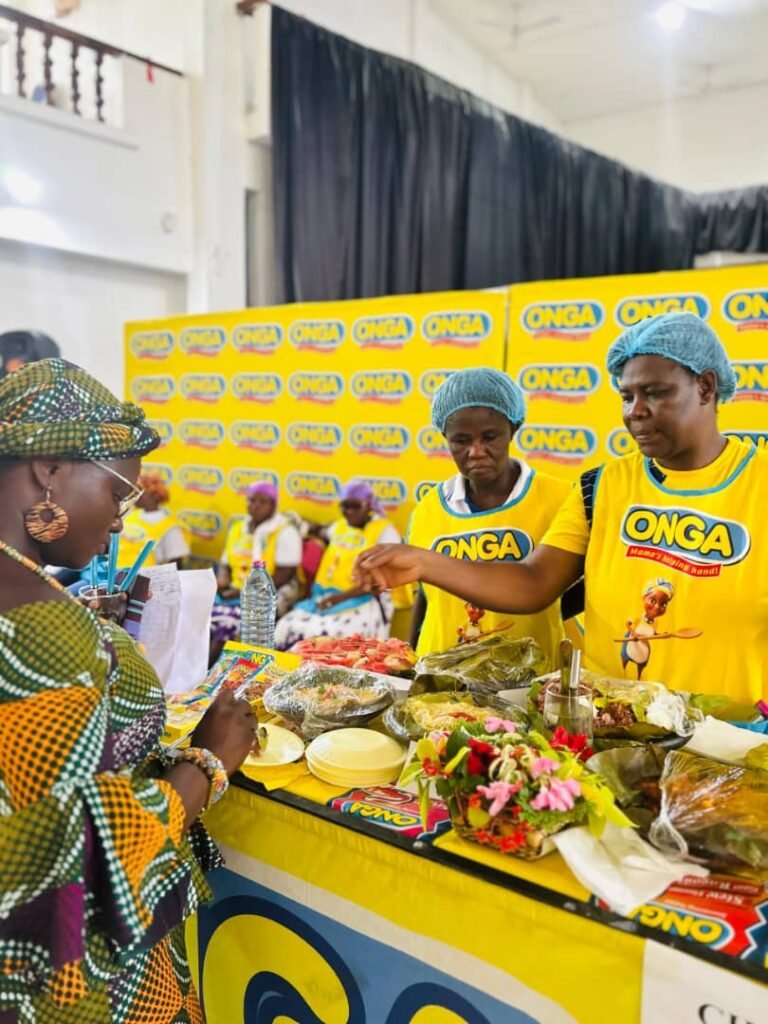
Under the theme “Promoting and preserving our local food: A healthy life,” the competition brought together women from various religious groups, including the Assemblies of God, Christ Apostolic Church, Lion of Judah, International Central Gospel Church (ICGC), Church of Pentecost, Anglican Church, Methodist Church, Presbyterian Church Hope Assembly, and the Federation of Muslim Women Association.
Participants prepared and showcased a variety of traditional dishes, including fufu with palm nut soup, banku with okro soup, waakye with shito, and tuo zaafi, among others.
At the end of the competition, ICGC emerged winners, followed by the Presbyterian Church of Ghana in second place, and the Federation of Muslim Women Association in third.
The Eastern Regional Director of CNC, Madam Dorcas Salamatu Alhassan, expressed concern over the increasing preference for foreign and processed foods among Ghanaian families.
She emphasised that many of these foods were unhealthy compared to the traditional meals.
“Our local foods are a gift from God, rich in nutrients and essential for our well-being. It is important that we prioritise them and encourage the younger generation to do the same,” she stated.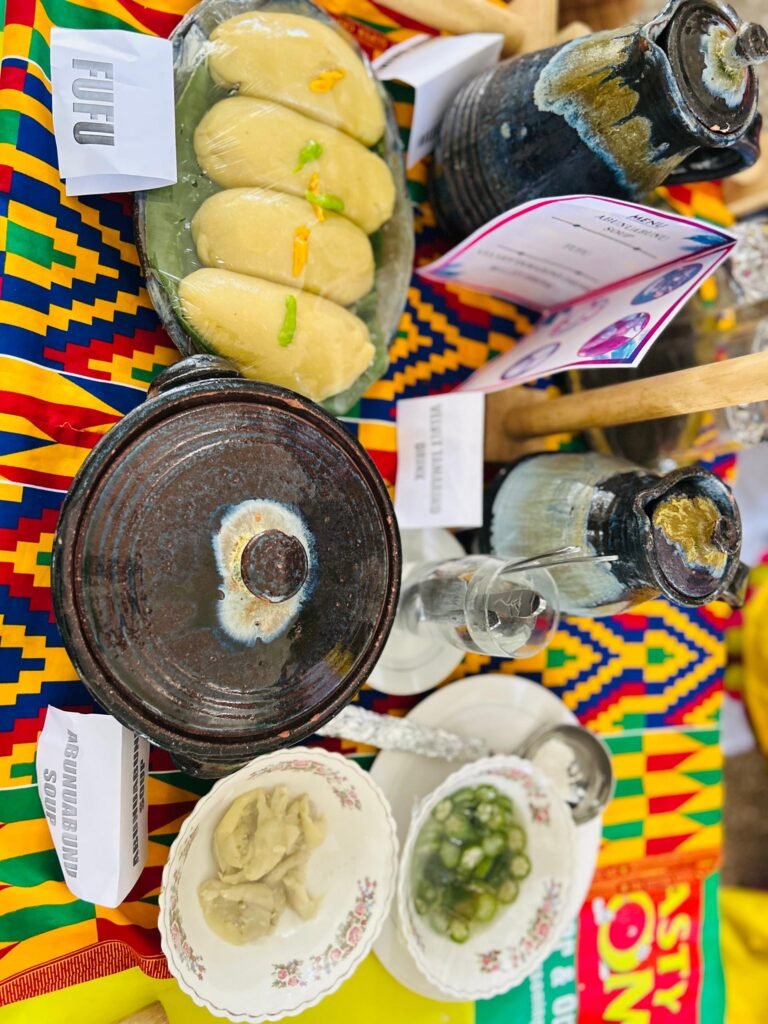
She urged parents to introduce local dishes to their children to ensure they grow up healthy and strong, contributing meaningfully to the nation’s development.
Additionally, she encouraged Ghanaians to support made-in-Ghana products, as this would help strengthen local industries and boost economic growth.
“As we promote local food, it is also necessary to train our children to speak our local dialects,” she added, and explained that language and food are key aspects of cultural identity.
Mrs Tharzia Numako Akwetey, the New Juaben South Municipal Agriculture Director, speaking on behalf of the Eastern Regional Director of Agriculture, Habiba Yusufu, highlighted the role of local foods in maintaining physical and mental well-being.

“Our traditional foods are a core part of our identity, preserving customs and traditions while also supporting farmers, transporters, processors, hoteliers, and food vendors,” she noted.
She warned that globalisation and modernisation have led to a decline in the consumption of local foods and emphasized the need for education on their nutritional and cultural significance.
“By promoting local foods, we are preserving our heritage and ensuring a healthier future for Ghanaians,” she concluded.
From Ama Tekyiwaa Ampadu Agyeman, Koforidua




The Hohoe Magistrate Court has sentenced Esther Ofori, a provision shop owner, for her refusal to participate in communal clean-up exercsie organised by the Hohoe Municipal Assembly on the National Sanitation Day.
Her refusal is contrary to section 21 subsection 4(i), (ii) and (v) of Hohoe Municipal Assembly bye-laws- 2018.
Ofori pleaded guilty and was sentenced on her own plea to a sum of GH₵240 and will serve one-month imprisonment if she defaults.
Mr Daniel Dotse Eklo, Environmental Health Analyst, prosecuting told the court, presided over by the relieving judge Mr Lambert Y. Keriba, that the convict on Thursday, July 2, 2026, refused to participate in communal clean up exercise organised by assembly on National Sanitation Day.
He said the assembly had set every first Thursday of each month as a communal clean-up day or National Sanitation Day between 6 a.m. and 10 a.m. to improve sanitation in the Hohoe township.
Mr Eklo said during the exercise days, no business premises should operate between the hours except pharmaceutical or drug stores or others that offered emergency health or humanitarian services.
He said bar keepers, chop bar operators, market traders and shop, and storekeepers using their own resources should undertake cleaning of market and sheds, clean front of their shops and desilt drains during the clean-up period.
Mr Eklo revealed that on the said day at about 9:22 a.m., when the Municipal Sanitation Taskforce was going round to supervise communal clean-up at the Atabu area, they saw the accused who had opened her store and was selling to the public.
He said her refusal to participate was unlawful hence, was subsequently served with the court summons. –GNA
SKIP THE QUEUE, TAP THE NEWS
You can now read the Ghanaian Times and The Spectator newspapers from the comfort of your device via TimesNewsPlus.
Join our WhatsApp Channel: https://whatsapp.com/channel/0029VbBElzjInlqHhl1aTU27
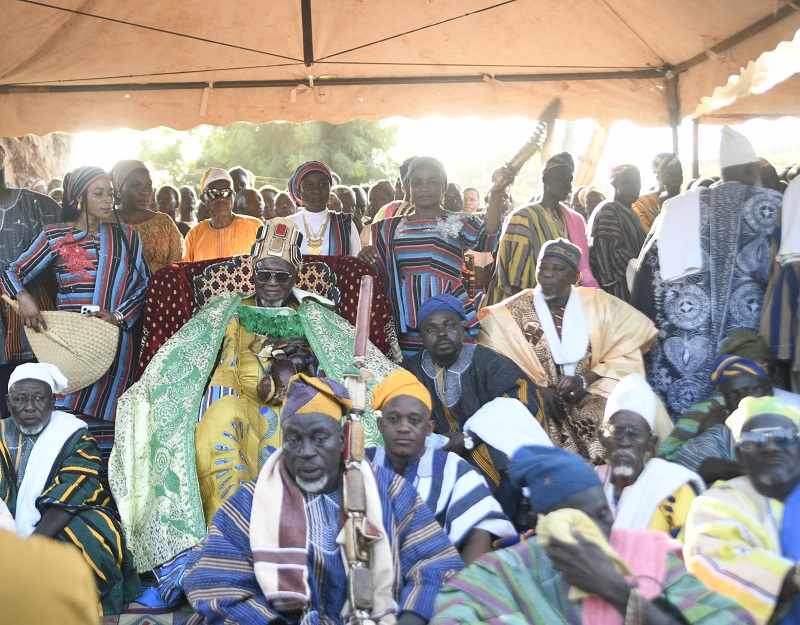
Damba, one of Northern Ghana’s major traditional festivals, has once again brought chiefs, elders, families, young people and visitors together in a celebration of culture and tradition.
This year, the celebrations were observed across several communities in Yendi, Bimbilla, Kumbungu and Lamashegu and Tamale.
Although each community had its own character and way of celebrating, traditional music, dancing, colourful regalia and community participation remained common features.
In Yendi, the traditional capital of Dagbon, this year’s Damba was marked by the absence of the late Ya-Na Abukari Mahama II, who passed away earlier this year.
It was the first Damba in seven years to be celebrated in Yendi without the late King.
His absence was felt at the Gbewaa Palace, where the festival had been celebrated under his leadership in previous years.
The late Ya-Na’s eldest son, Kampakuya-Naa Yakubu Abukari, Regent of Dagbon, led the traditional observance during the transition period.
Despite the mixed emotions among celebrants, the sound of drums and traditional musical instruments soon drew crowds to the palace.
Within a short time, the palace grounds were filled with chiefs, elders, families, young people and children.
Children took part in traditional performances as drummers and musicians provided the rhythm for the celebration.
One of the notable scenes was the appearance of the “truck-pusher chief,” who arrived on a decorated truck accompanied by young followers.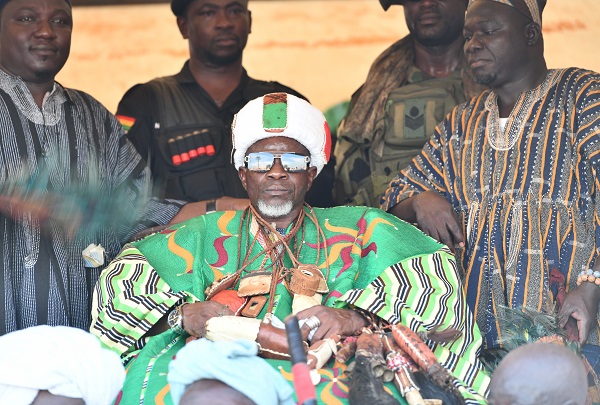
His appearance became one of the memorable moments of the celebration and demonstrated the community character of the festival.
In Bimbilla, the traditional capital of the Nanung Traditional Area, Damba brought traditional authorities, elders, families and young people together.
The celebration was led by the Regent of the Nanumba Kingdom, Nyalinbolgu Naa Yakubu Andani Dasana.
The activities combined traditional celebration with community events, including a health walk and rice picking.
Traditional clothing, music and dancing formed part of the celebrations as different generations participated.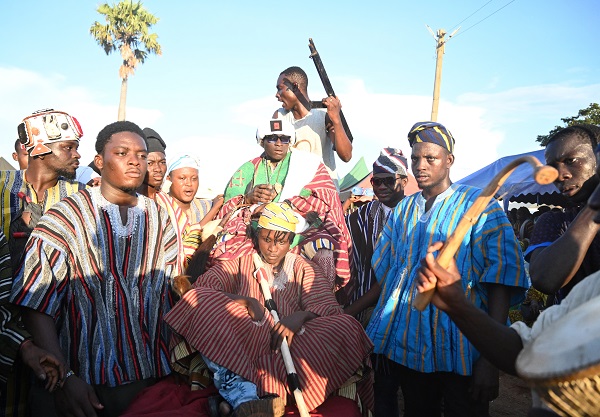
Children watched and joined activities, while young people used mobile phones and cameras to document the festival.
In Kumbungu, the Kumbungu Na, Naa Yab Kumbung Naa Yiri II, led the community’s Damba celebration.
Traditional clothing, drumming, dancing and communal gatherings formed part of the activities.
Elders and traditional authorities provided a link to the customs of the past, while young people and children participated in the celebrations.
For many residents, Damba remains an important occasion to reconnect with their cultural heritage and pass traditions on to the next generation.
In Lamashegu, within the Tamale metropolis, Damba was celebrated under the leadership of Lamashe-Naa Alhaji Mahama Iddrisu.
The celebration brought together traditional authorities, elders, families and residents.
Young people featured prominently in the activities, participating in traditional performances and documenting the occasion with mobile phones and cameras.
The celebrations reflected the ability of traditional culture to remain relevant within a rapidly changing urban environment.
Ending the day in Tamale captured moments thousands of people celebrating at the Tamale Jubilee Park with displays on horses which was one of the highlights of the celebration.
Truck pusher’s chief which is becoming a very important part of the celebration stole the show which attracted much attention.
The celebrations in the four communities demonstrated the diversity of Damba across Northern Ghana.
While the settings and expressions differed, the celebrations shared a common purpose bringing people together and keeping cultural traditions visible.
One of the clearest features of this year’s celebrations was the participation of children and young people.
They danced, watched traditional performances, joined community activities and documented the celebrations.
Their participation points to the important role of younger generations in sustaining Northern Ghana’s cultural heritage.
For many communities, Damba is therefore not simply an annual festival, but is an opportunity for cultural knowledge to be transferred from elders to young people through participation and observation.
It is also increasingly becoming a visual record, as photographers, journalists and young people use cameras and smartphones to document traditional ceremonies.
The festival continues to bring together traditional authority, families and different generations.
From Geoffrey Asiome Kwame Buta, Yendi
SKIP THE QUEUE, TAP THE NEWS
You can now read the Ghanaian Times and The Spectator newspapers from the comfort of your device via TimesNewsPlus.
Join our WhatsApp Channel: https://whatsapp.com/channel/0029VbBElzjInlqHhl1aTU27