News
Ambulance case: Don’t appeal ruling; You’ll be further disgraced – Haruna Iddrisu tells AG

- /home/u249204778/domains/spectator.com.gh/public_html/wp-content/plugins/mvp-social-buttons/mvp-social-buttons.php on line 27
https://spectator.com.gh/wp-content/uploads/2024/07/1129202353606-1j041p5cbv-1129202351302-haruna-iddrisu.jpg&description=Ambulance case: Don’t appeal ruling; You’ll be further disgraced – Haruna Iddrisu tells AG', 'pinterestShare', 'width=750,height=350'); return false;" title="Pin This Post">
- Share
- Tweet /home/u249204778/domains/spectator.com.gh/public_html/wp-content/plugins/mvp-social-buttons/mvp-social-buttons.php on line 72
https://spectator.com.gh/wp-content/uploads/2024/07/1129202353606-1j041p5cbv-1129202351302-haruna-iddrisu.jpg&description=Ambulance case: Don’t appeal ruling; You’ll be further disgraced – Haruna Iddrisu tells AG', 'pinterestShare', 'width=750,height=350'); return false;" title="Pin This Post">
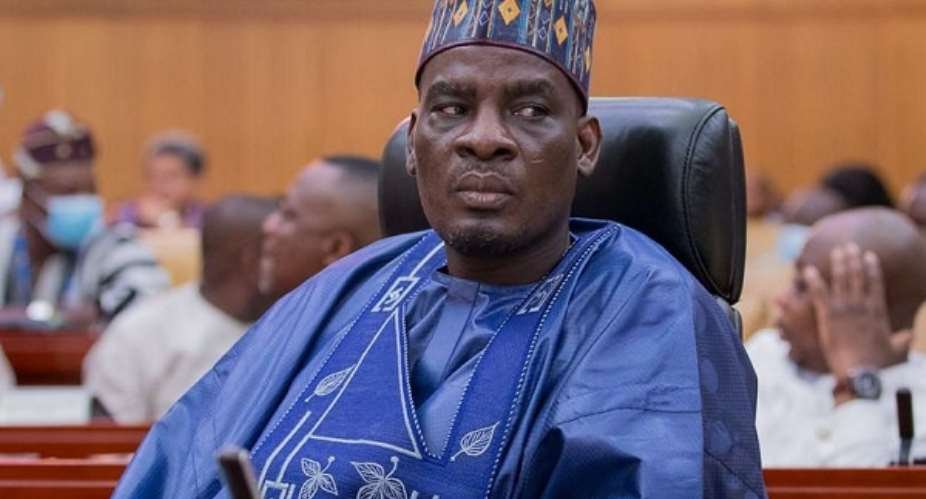
Former Minority Leader, Haruna Iddrisu, has admonished Attorney General, Godfred Yeboah Dame, not to appeal the Court of Appeal ruling that acquitted and discharged Minority Leader, Cassiel Ato Forson.
The MP for Tamale South said the AG risks further disgrace if he attempts to appeal the Court of Appeals ruling.
The court cleared Minority Leader, Dr Cassiel Ato Forson, and overturned the trial Court’s order for Dr. Ato Forson to present his defence in the ambulance case.
While celebrating the Minority Leader’s victory in Parliament, Haruna Iddrisu suggested that the Attorney General should accept the situation.
“I hear the Attorney General, even instead of swallowing his humble pride, is saying that he wants to litigate on this matter,” he added.
“Mr Speaker, we assure him that he will be further disgraced because this matter if you want to try people try them on matters which are legally meritorious,” he stated.
Source: Citinewsroom.com

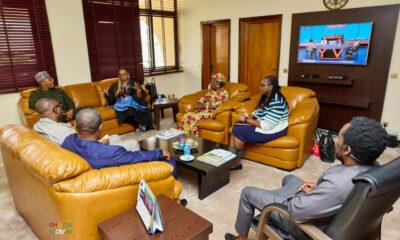




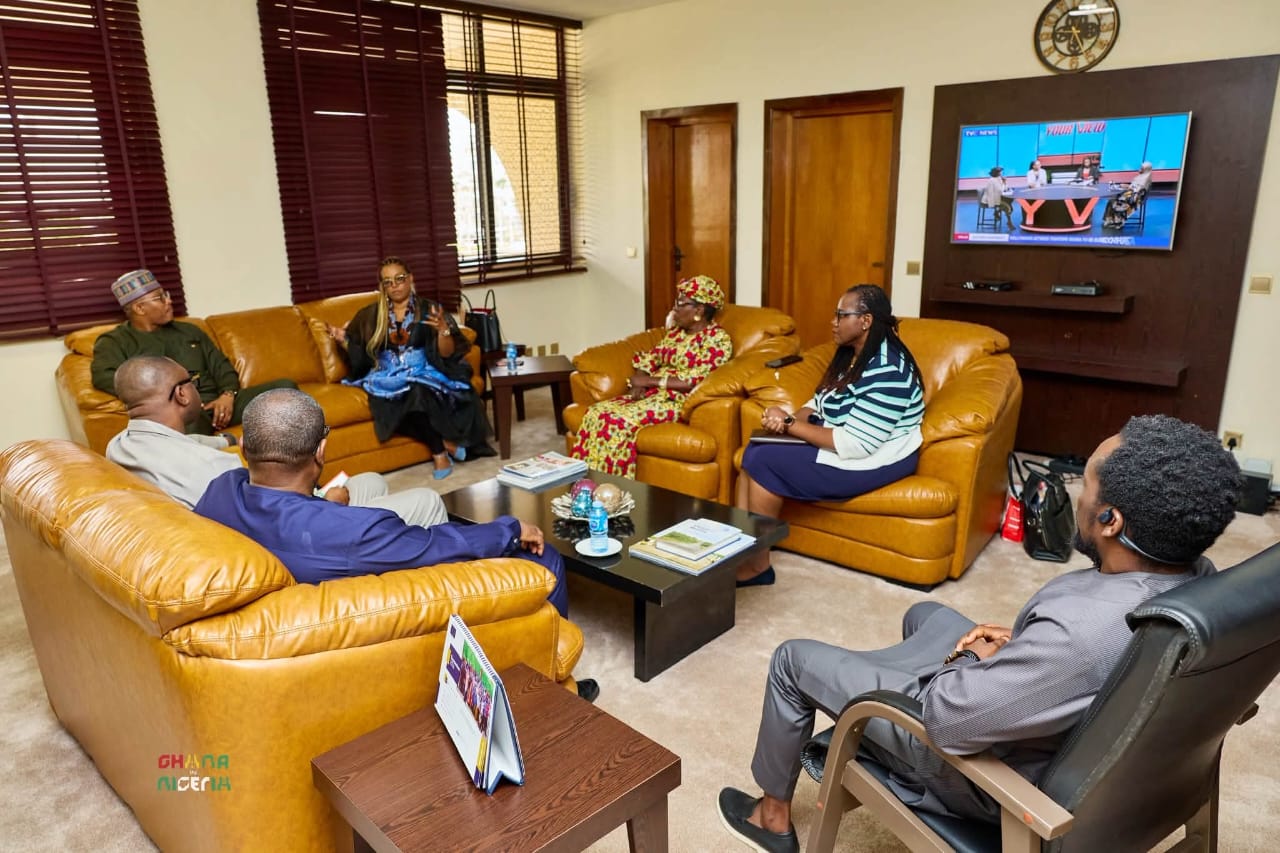
Ghana’s High Commissioner to Nigeria, Baba Sadiq, has held talks with the High Commissioner of Barbados to Ghana, H.E. Juliette Bynoe-Sutherland, at the Ghana High Commission in Abuja.
The meeting, according to the Ambassador, builds on the growing momentum in Ghana–Barbados relations, including the recent participation of Barbadian Prime Minister, Mia Amor Mottley, in high-level engagements in Ghana.
The two diplomats discussed strengthening cooperation in key areas including aviation and connectivity, tourism, trade and investment, education, culture, migration and security, reparations and multilateral affairs.
Ambassador Baba Sadiq noted that Ghana and Barbados share deep historical and cultural bonds, adding that the focus now is to translate that shared heritage into practical partnerships that connect people, unlock opportunities and strengthen Africa–Caribbean relations.
By Edem Mensah-Tsotorme
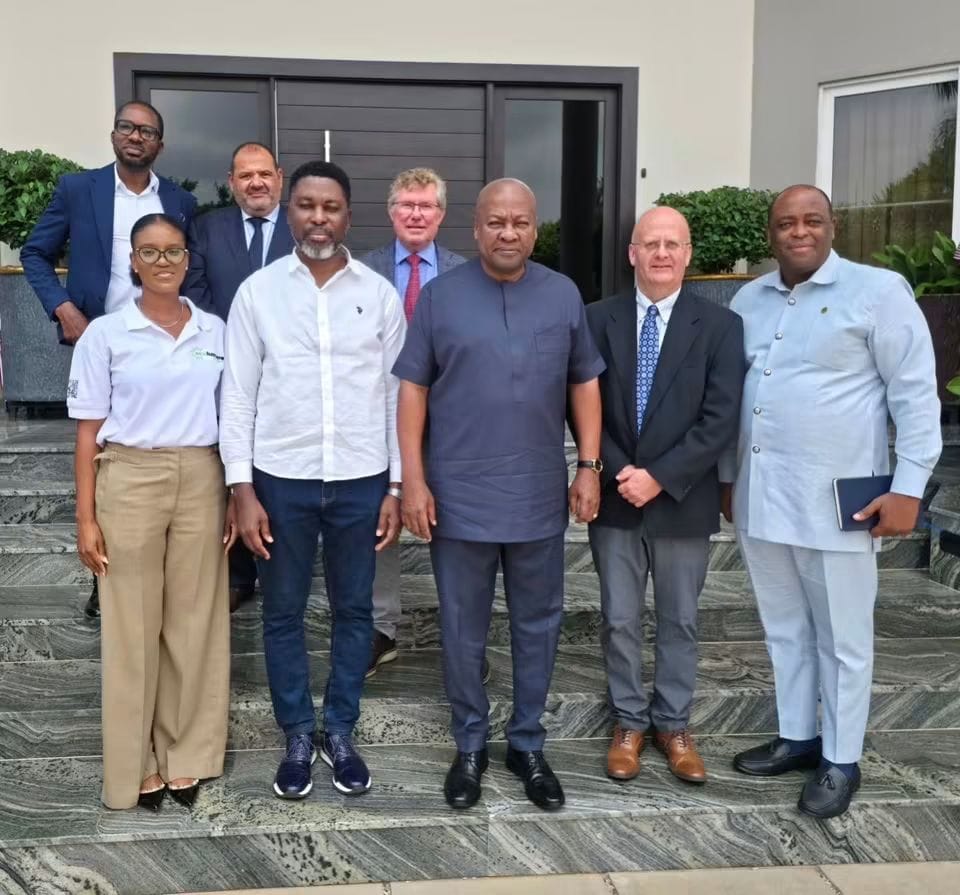
Member of Parliament for Gomoa Central, Kwame Asare Obeng, popularly known as A Plus, has announced plans for the construction of a 270-megawatt solar energy project to power the Gomoa Special Economic Zone and the Gomoa Eco Park.
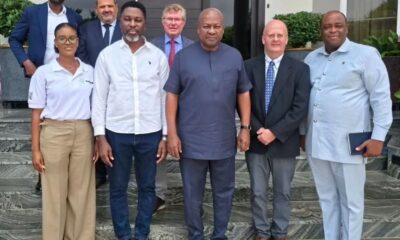
According to the MP, a delegation from AKA Energy Systems, led by its Chief Executive Officer, met with President John Dramani Mahama earlier yesterday, September 8, to formally inform him that preparations towards the project have commenced.
In a post, A Plus, who led the delegation to the Presidency, disclosed that the project will be a major power source for the manufacturing, industrial and commercial hub.
He stated that the project will be developed in phases, with Phase One expected to be completed by the end of 2027.
By Edem Mensah-Tsotorme

 News1 week ago
Police arrest six suspected members of armed robbery syndicate in Ashanti Region
- News5 days ago
OSP probes alleged GH¢70,000 vetting cash linked to Patricia Appiagyei; Minority says memo is fake
- News1 week ago
Boakye Agyarko campaign denies rift with Bawumia ahead of NPP chairman election