News
Next NPP government will reform Gold Board if amendment falls short- Kojo Oppong Nkrumah

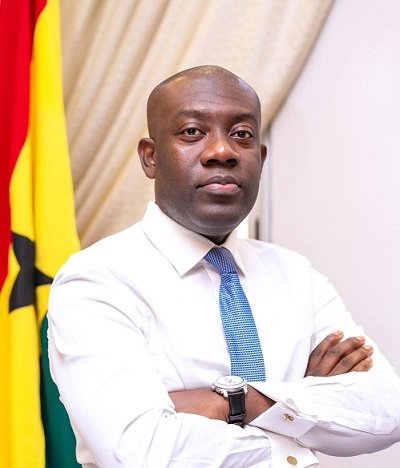
Member of Parliament for Ofoase Ayirebi, Kojo Oppong Nkrumah, has indicated that a future government led by the New Patriotic Party will pursue broader reforms of the Gold Board if the current amendment fails to address existing challenges.
Speaking on the matter during an engagement between the Minority Caucus and the leadership of the Ghana Employers’ Association (GEA) on Wednesday April 1, 2026.
He explained that his side had proposed several changes to improve the bill, including clearer definitions of key terms such as hoarding, which he noted affects players like jewellers in the gold value chain.
According to him, while some of their suggestions were considered, a significant portion was not incorporated into the final proposal.
He pointed out that as a result, the government now faces challenges in implementing certain regulatory measures, including what he described as the payment of additional bonuses as part of its functions.
Mr Oppong Nkrumah maintained that his party is closely monitoring developments and taking note of what he believes are gaps in the current approach.
He added that at the appropriate time, they will work to correct those shortcomings to better serve stakeholders, particularly private sector operators such as gold trading firms and others within the industry.
By: Jacob Aggrey








News
Education Minister announces two-year BECE ban for JHS 1 and 2 students who write exams ahead of schedule
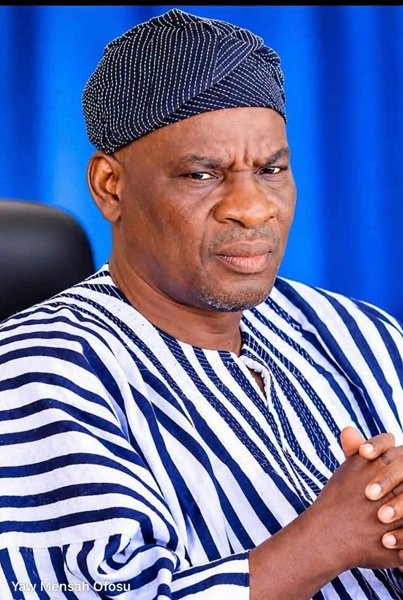
The Minister for Education, Haruna Iddrisu, has announced a two-year ban for students in Junior High School (JHS) 1 and 2 who attempt to write the Basic Education Certificate Examination (BECE) ahead of their scheduled year.
The minister said the directive takes immediate effect and is aimed at preventing students from advancing to JHS 3 before completing the required period of basic education.
Speaking during National Education Week, Mr Iddrisu directed the Director-General of the Ghana Education Service (GES) to ensure that all regional directors and headteachers are informed about the new directive and enforce it.
Mr Iddrisu explained that the decision was necessary to instil discipline in the education system and allow authorities to plan effectively for the number of candidates expected to complete basic education and sit for the BECE each year.
According to him, the practice of allowing some pupils to skip academic levels to write the examination earlier creates difficulties for education authorities in determining the actual number of students expected to graduate from basic school annually.
He expressed concern about parents who encourage their children to move ahead of their classmates and write the examination before the appropriate time.
The minister argued that such a practice undermines fairness and equal opportunities among pupils, stressing that children should follow the approved academic progression rather than being pushed to complete their education ahead of others.
“Some parents want to force their children to go ahead of others. That is not equity,” he stated.
By: Jacob Aggrey
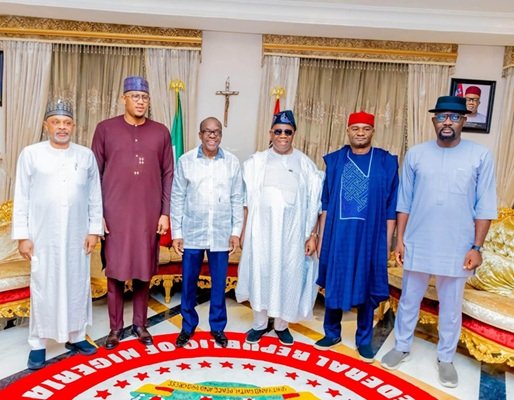
Ghana’s High Commissioner to Nigeria, H.E. Baba Sadiq Abdulai Abu, has accompanied the Speaker of Ghana’s Parliament, Rt. Hon. Alban Sumana Kingsford Bagbin, on a courtesy visit to the President of Nigeria’s Senate, H.E. Senator Godswill Akpabio.
The visit, described as a powerful demonstration of Ghana-Nigeria solidarity and shared democratic values, reaffirmed the historic bonds between the two countries and the importance of sustained parliamentary diplomacy.
Speaker Bagbin, who is also Chairman of the Conference of Speakers and Presidents of African Legislatures (CoSPAL), and Senator Akpabio discussed ways of strengthening democratic governance, deepening bilateral relations, and expanding economic cooperation.
Both leaders underscored the responsibility of political institutions to protect democracy, restore public confidence in governance, and promote peaceful political processes across West Africa.
By Edem Mensah-Tsotorme