News
John Boadu elected NPP National Chairman

- /home/u249204778/domains/spectator.com.gh/public_html/wp-content/plugins/mvp-social-buttons/mvp-social-buttons.php on line 27
https://spectator.com.gh/wp-content/uploads/2026/10/IMG-20261004-WA0010-960x600.jpg&description=John Boadu elected NPP National Chairman', 'pinterestShare', 'width=750,height=350'); return false;" title="Pin This Post">
- Share
- Tweet /home/u249204778/domains/spectator.com.gh/public_html/wp-content/plugins/mvp-social-buttons/mvp-social-buttons.php on line 72
https://spectator.com.gh/wp-content/uploads/2026/10/IMG-20261004-WA0010-960x600.jpg&description=John Boadu elected NPP National Chairman', 'pinterestShare', 'width=750,height=350'); return false;" title="Pin This Post">
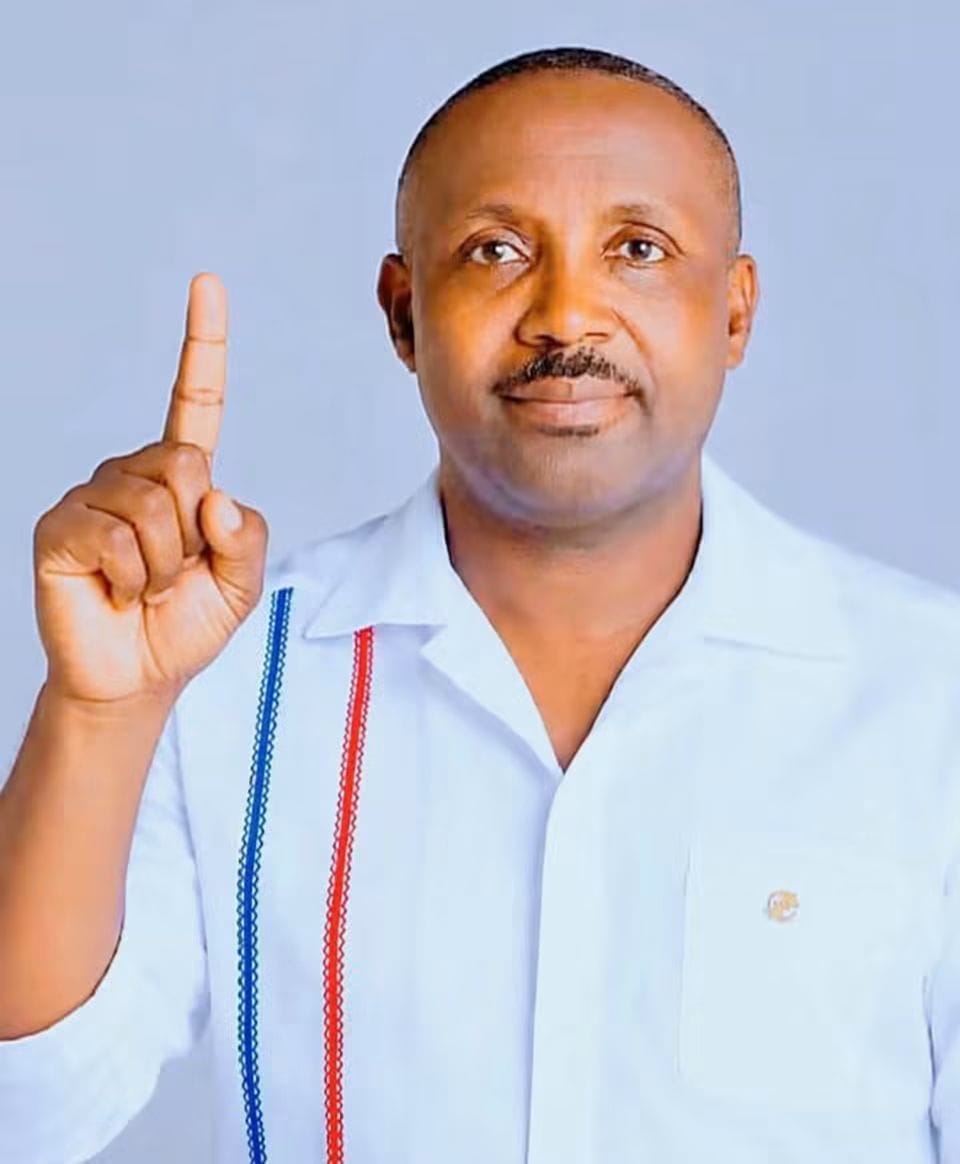
John Boadu has been elected as the National Chairman of the New Patriotic Party (NPP) following the party’s National Delegates Conference held on Saturday, October 3, 2026, at the Baba Yara Sports Stadium in Kumasi.
Boadu secured a decisive victory with 2,888 votes, beating his closest contender Boakye Agyarko who polled 2,408 votes.
Former Chairman Paul Afoko garnered 790 votes, while Sammy Crabbe managed 41 votes.
The victory marks a major political comeback for John Boadu, who previously served as the party’s General Secretary.
Ahead of the elections, Sammy Crabbe had reportedly pulled out of the race to form an alliance with John Boadu, a move that appears to have strengthened Boadu’s numbers on the day.
The keenly contested chairmanship race was a highlight of the 2026 National Executives Election, which drew thousands of delegates from across the country to Kumasi.
Boadu is expected to lead the party’s reorganization efforts ahead of the 2028 general elections.
By Edem Mensah-Tsotorme







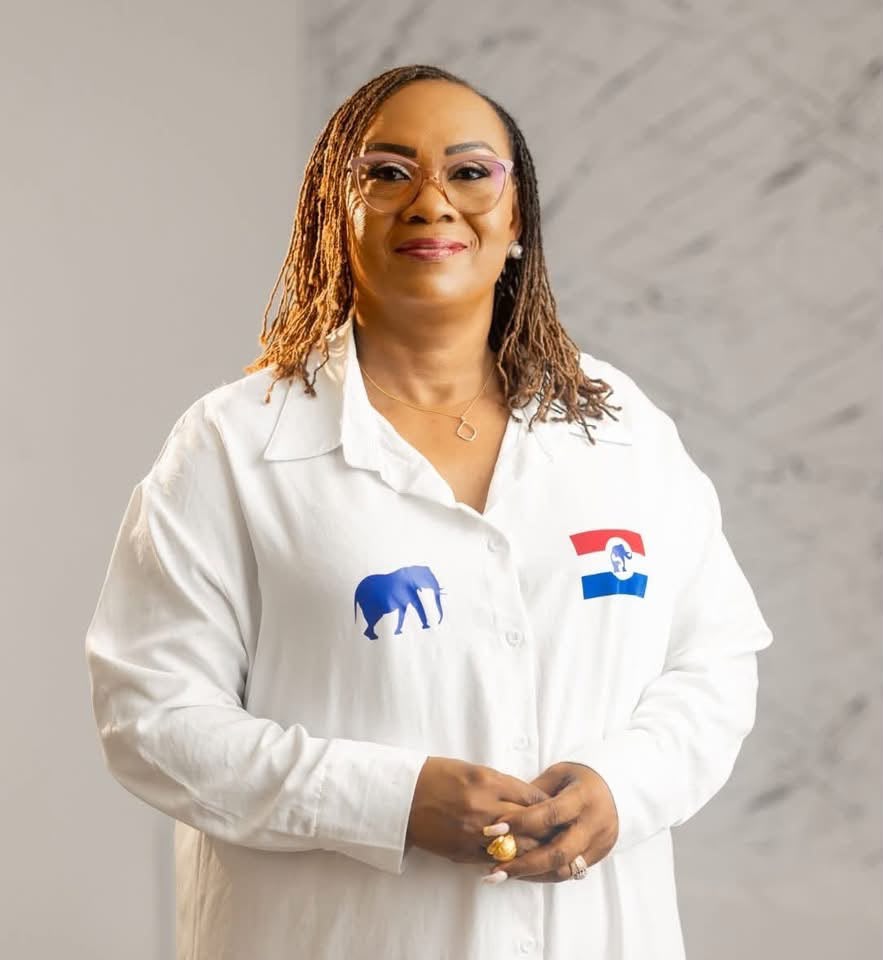
Former Awutu Senya East Member of Parliament, Mavis Hawa Koomson, has been elected the National Women’s Organiser of the New Patriotic Party (NPP).
She secured 738 votes to defeat her main contender, Mohammed Safia, who polled 429 votes in the election held on Saturday, October 3, 2026, at the Baba Yara Sports Stadium in Kumasi.
The election formed part of the NPP’s National Delegates Conference, which brought together delegates from across the country to elect new national executives for the party.
The conference was characterised by a colourful display of the NPP’s red, white and blue colours, with party supporters and delegates filling the stadium ahead of the various elections.
Former President Nana Addo Dankwa Akufo-Addo was among the prominent personalities who attended the delegates conference ahead of the elections.
Following the declaration of the results, Hawa Koomson moved around the stadium with some of her supporters, thanking delegates for voting for her and expressing confidence in her ability to lead the party’s women’s wing.
Speaking after her victory, Hawa Koomson said she would bring her experience and maturity to the position and work to strengthen the party’s women’s structures.
She indicated that she would work with her former contender, Mohammed Safia, despite the competition between them during the election.
“We are all NPP members and we are going to work together for victory,” she said.
According to her, her immediate task would be to unite the women of the party and mobilise them to contribute effectively to the NPP’s activities at the grassroots and national levels.
She called for greater support and solidarity among women, and recounted an experience in which she said another woman helped save her life after she was attacked.
Using the experience, Mrs Koomson urged women to have one another’s backs, stressing that women should be ready to support and defend each other.
The former MP spoke about her political journey and her return to a national leadership position after losing the Awutu Senya East parliamentary seat.
She said she had never regarded her political journey as a failure and was proud to have reached the national level to serve the party.
Mrs Koomson said her decision to contest the National Women’s Organiser position was driven by her desire to continue contributing to the NPP and use her experience to support the party.
Hawa Koomson explained the need for women to protect themselves, including the use of pepper spray as a means of self-defence when faced with danger.
She encouraged women to support and defend one another, drawing from her own experience of being attacked and helped by another woman who intervened to save her.
As National Women’s Organiser, she will be responsible for coordinating and mobilising women across the party, strengthening the women’s wing at the constituency and regional levels, and increasing their participation in party activities.
She is expected to work closely with the newly elected national executives to strengthen the party’s structures and prepare its women’s wing for the party’s future political activities.
Mrs Koomson thanked the delegates for the confidence they had placed in her and pledged to work with members of the party as she begins her new role.
By: Jacob Aggrey
Women have been asked not to dismiss painless lumps in the breast, as the absence of pain does not mean a lump is harmless.
A Specialist Radiation Oncologist at the Korle-Bu Teaching Hospital, Dr Mary Ann Dadzie, said women should seek medical attention promptly whenever they noticed any unusual changes in the breast.
“A painless lump is not a harmless lump. You need to take action and not wait for pain,” she said.![Prof.Dr.Grace Ayensu-Danquah [middle] launching of Breast Cancer Awarencss Mouth with Dr.Caroline Reindorf Amissah[second from right] and other officials Photo Okai Elizabeth.](https://spectator.com.gh/wp-content/uploads/2026/10/Prof.Dr_.Grace-Ayensu-Danquah-middle-launching-of-Breast-Cancer-Awarencss-Mouth-with-Dr.Caroline-Reindorf-Amissahsecond-from-right-and-other-officials-Photo-Okai-Elizabeth.jpg)
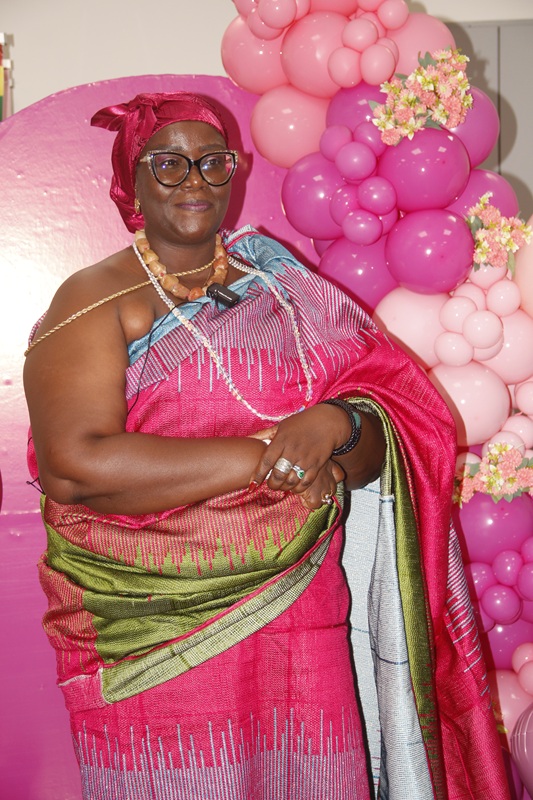
Dr Dadzie made the call at the 2026 national launch of Breast Cancer Awareness Month, held on the theme, “early action, better outcomes.”
She expressed concern that about 45 per cent of breast cancer patients seen at Korle-Bu failed to return after starting treatment.
According to her, some patients began treatment but later stopped reporting to the hospital, leaving health professionals uncertain about their wellbeing.
She attributed the situation to several factors, including fear of death, financial difficulties, long distances to health facilities, lack of time and stigma.
Dr Dadzie urged women to know their breasts and seek medical attention within two weeks of noticing any abnormality.
She said warning signs could include a lump or thickening in the breast or armpit, changes in breast size, an inverted nipple, nipple discharge and changes in the skin, including redness, sores or an orange-peel appearance.
She cautioned women not to assume they were safe simply because they had no family history of breast cancer, explaining that only about five to 10 per cent of women with the disease had a familial or genetic mutation.
Dr Dadzie encouraged women to undergo regular clinical breast examinations and discuss appropriate screening options, including mammography and ultrasound, with health professionals.
She also called on families, particularly husbands and partners, to support women who needed breast examinations or treatment.
“Home is where the support begins,” she said, urging families to provide practical assistance such as transportation and childcare.
Dr Dadzie further appealed for breast cancer services to be brought closer to communities through increased access to mammography, ultrasound and biopsy services, as well as the training of more health professionals.
The Deputy Minister of Health, Prof. Dr Grace Ayensu- Danquah, said breast cancer remained a major health concern among women in Ghana, with an estimated 4,650 new cases and about 2,060 deaths recorded annually.
She said Ghana’s breast cancer response focused on prevention, early detection, equitable access to treatment and compassionate care.
Dr Ayensu-Danquah said the country was working to strengthen awareness, clinical breast examinations, referral systems, pathology and diagnostic services to improve breast cancer outcomes.
The World Health Organisation (WHO) representative, Dr Joana Ansong, said too many women continued to present with advanced breast cancer, resulting in avoidable suffering and deaths.
She called for stronger health education, timely diagnosis, rapid referral and equitable access to comprehensive treatment and support.
Dr Ansong said breast cancer awareness should move beyond campaigns to sustained action involving government, communities, health professionals, civil society organisations, the private sector and families.
By Esinam Jemima Kuatsinu