News
Ghana’s first international family amusement park opened in Accra

- /home/u249204778/domains/spectator.com.gh/public_html/wp-content/plugins/mvp-social-buttons/mvp-social-buttons.php on line 27
https://spectator.com.gh/wp-content/uploads/2024/09/Swimming-Time-829x600.jpg&description=Ghana’s first international family amusement park opened in Accra', 'pinterestShare', 'width=750,height=350'); return false;" title="Pin This Post">
- Share
- Tweet /home/u249204778/domains/spectator.com.gh/public_html/wp-content/plugins/mvp-social-buttons/mvp-social-buttons.php on line 72
https://spectator.com.gh/wp-content/uploads/2024/09/Swimming-Time-829x600.jpg&description=Ghana’s first international family amusement park opened in Accra', 'pinterestShare', 'width=750,height=350'); return false;" title="Pin This Post">
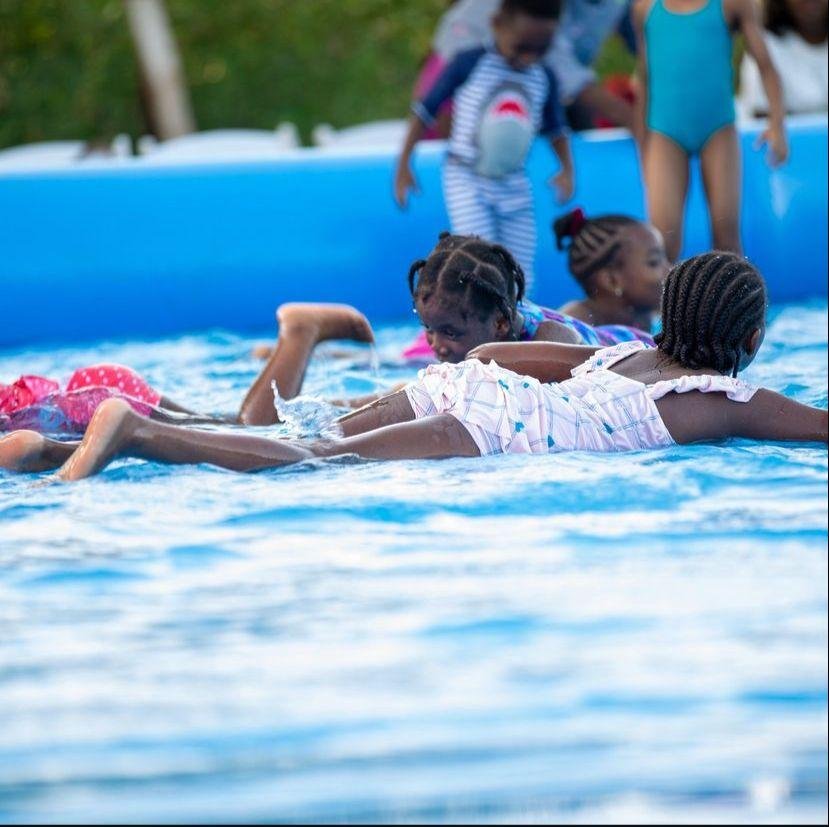
A new chapter in Ghana’s tourism and recreational landscape was written last Thursday with the launch of Shornaa Island Amusement Park.
Situated along the A1 lagoon bypass just behind the Trade Fair in Accra, this groundbreaking park is the first of its kind in the capital.
It offers a distinctive fusion of entertainment, relaxation, and adventure, all set against the picturesque backdrop of a tranquil black water lagoon.
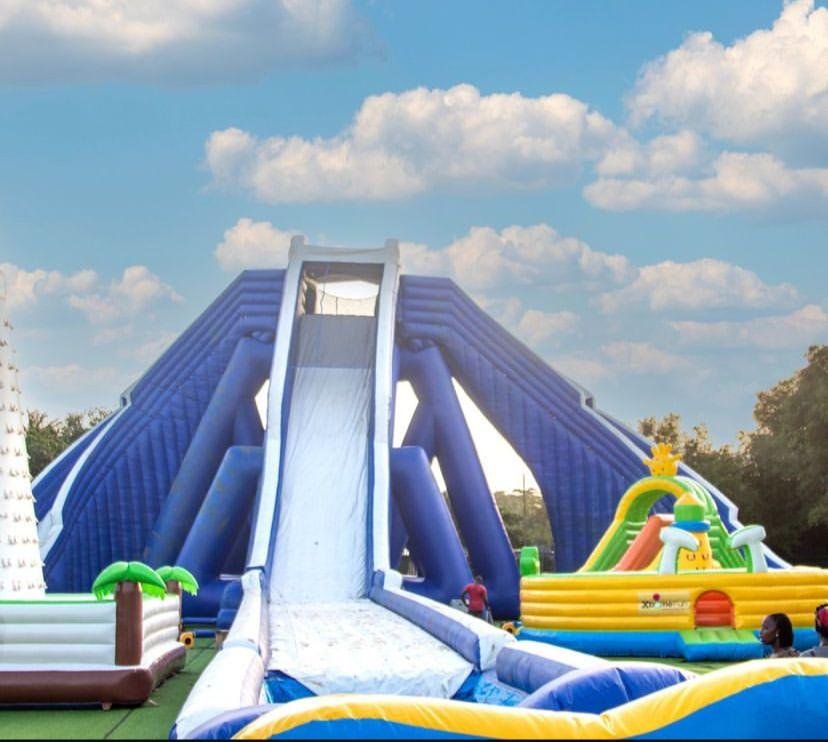
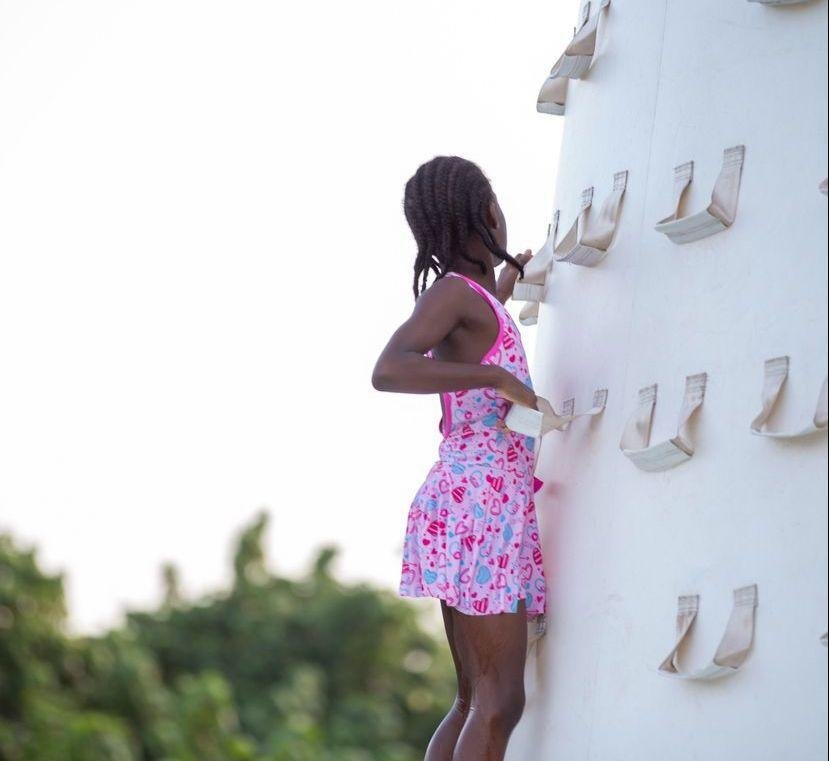
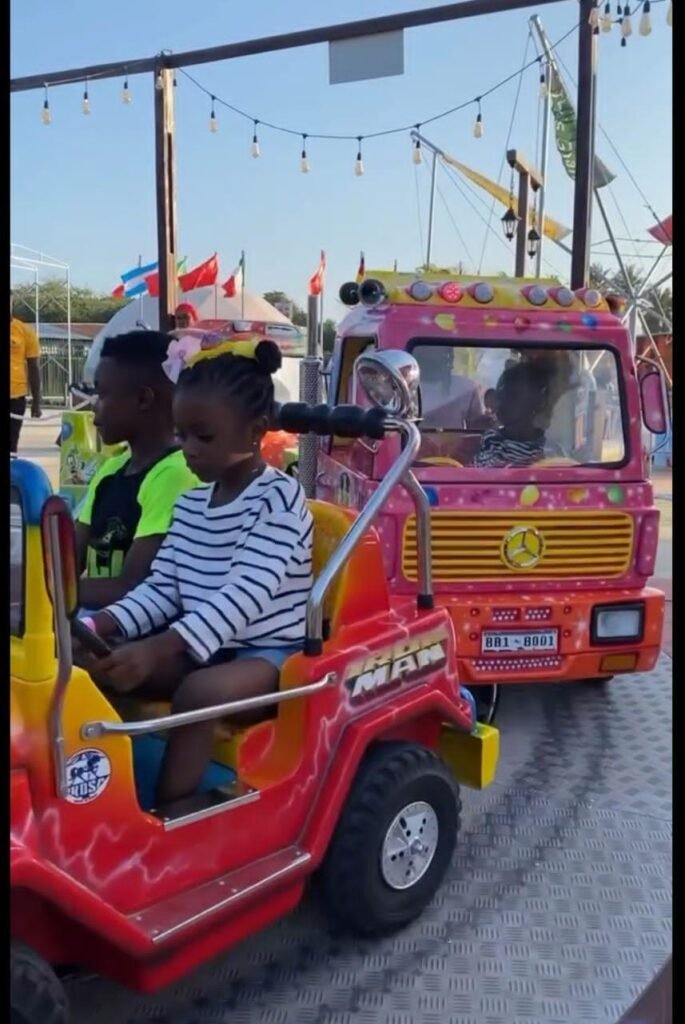
The state-of-the-art amusement park promises to be the ultimate destination for both locals and tourists seeking an exhilarating day out.
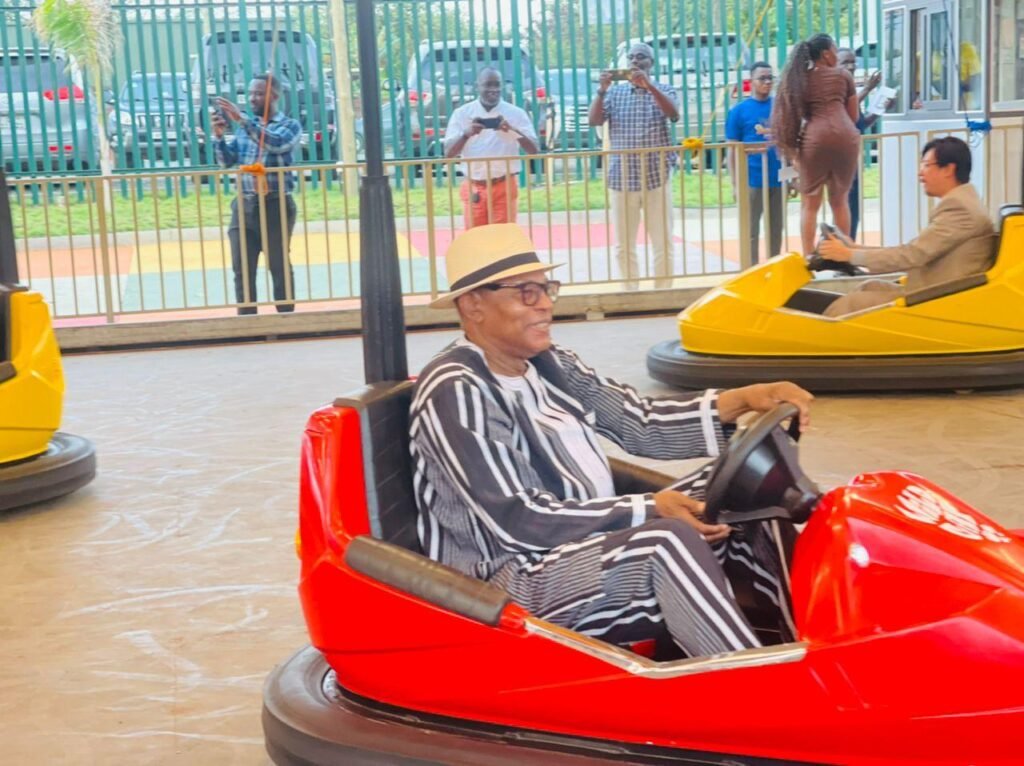
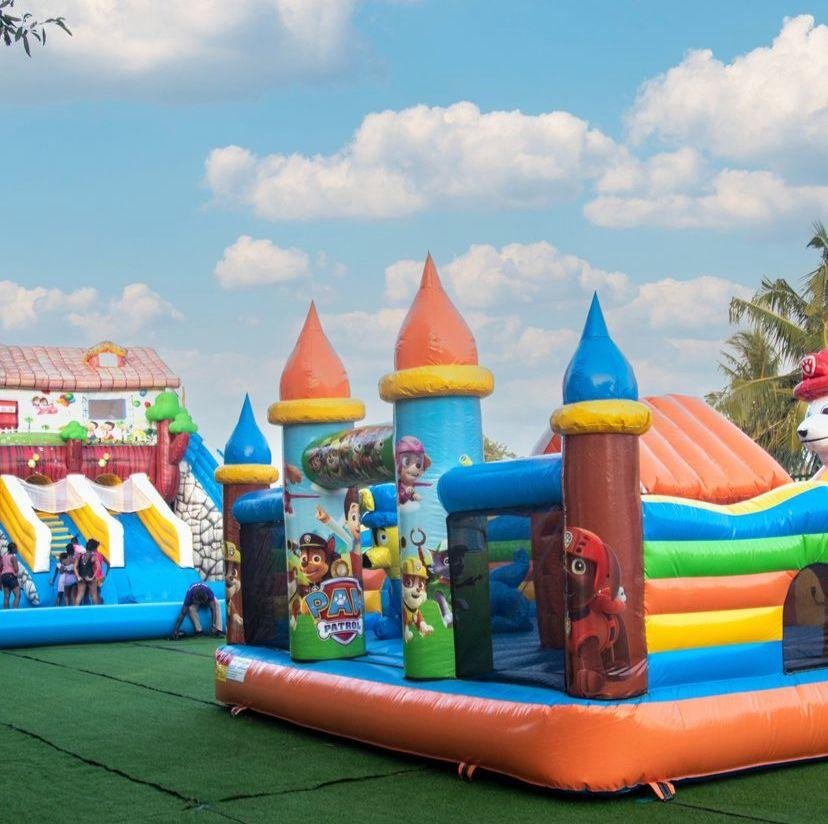
Delivering the opening remarks, Ing. Magnus Lincoln Quarshie, President of XtremeFun Limited, expressed delight in seeing Shornaa Island Amusement Park come to life, emphasising the joy and excitement it will bring to families and visitors of all ages.
Some of the park’s international partners also shared goodwill messages. Speakers included Peter van Bilsen, International Vice President Sales and Marketing of Vekoma Rides Manufacturing and Mr Luigi Puca, Trade Commissioner of the Italian Embassy.
The event also featured local representation from the La Traditional Council.
Distinguished diplomat, Dr Mohamed Ibn Chambas, who delivered the keynote address, shared the importance of such investments in enhancing the tourism and leisure sectors in Ghana.
The park was officially dedicated by Reverend Abboah Offei followed by the much-anticipated ribbon-cutting ceremony.
Guests then embarked on a guided tour of the park, led by Richard Lee, the Park General Manager, giving them a first-hand look at the exciting attractions on offer.
“We’re thrilled to finally welcome the public to Shornaa Island Amusement Park. This grand opening is just the beginning as we plan to introduce even more exciting attractions in the future,” said Richard Lee.
The evening culminated in a raffle draw and a spectacular fireworks display.
The park was opened to the general public on Saturday, September 14, 2024.
Operating hours are Tuesdays to Fridays from 2pm to 7pm., Saturdays from 10:30 am to 9:00 pm and from 11 am to 7 pm on Sundays.


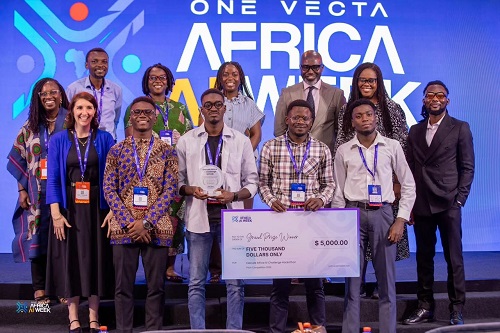
Malta and Ghana have an opportunity to build a forward-looking partnership in artificial intelligence, combining Malta’s institutional agility and European regulatory experience with Ghana’s talent, scale and regional influence.
Malta’s High Commissioner to Ghana, Ronald Micallef, made the call at One Vecta Africa AI Week 2026 in Accra, where he proposed a structured dialogue bringing together governments, regulators, universities and the private sector.
He said the dialogue should move beyond broad declarations and identify a small number of practical initiatives with responsible institutions and measurable outcomes.
“Malta’s experience offers three broad lessons: build institutions people can trust, give everyone the capacity to understand and question artificial intelligence, and keep human values and national purpose at the centre,” High Commissioner Micallef said.
Malta launched its national AI strategy in 2019 with a vision extending to 2030. The country has since strengthened the institutional foundations needed to regulate and support the responsible use of emerging technologies.
Central to this effort is the Malta Digital Innovation Authority, established by law and designated as Malta’s notifying authority and principal market-surveillance authority under the European Union’s AI Act, working alongside other sectoral regulators.
“A strategy needs more than ambition. Every commitment must have a responsible institution, a budget and a measurable result,” the High Commissioner stated.
He also highlighted Malta’s AI for All programme, developed by the Malta Digital Innovation Authority in collaboration with the University of Malta. The free online programme allows citizens and residents aged 14 and over to acquire foundational AI knowledge in Maltese or English.
According to High Commissioner Micallef, AI literacy is rapidly becoming a civic necessity. People must be able not only to use artificial intelligence, but also to question its outputs, recognise its limitations and understand how it may affect their lives.
Drawing on Ghana’s tradition of Sankofa, he warned that the development of artificial intelligence raises important questions about whose histories, languages and knowledge are preserved.
He quoted the Asantehene, Otumfuo Osei Tutu II, who recently observed: “The palace must remain a guardian of memory. But it must also become a workshop for the future.”
“Sankofa has a direct relevance to artificial intelligence,” High Commissioner Micallef said. “If societies do not make deliberate choices, their languages, memories and ways of understanding the world may be diminished rather than strengthened.”
He linked this thinking to Project ETHICS, a Malta-supported initiative developed with Step Up Nigeria and partners in Ghana. The project encourages young people to examine integrity, empathy, responsibility, fairness and service within their everyday lives and communities.
The High Commissioner said Ghana’s interest in strengthening ethics education offers fertile ground for cooperation, particularly as young people prepare to engage with increasingly powerful but fallible technological systems.
He also invited Ghanaian institutions to participate in shaping the proposed Sovereign Technology Centre on Malta’s sister island of Gozo.
The centre, which remains at a formative stage, is envisaged as a solar-powered platform for research and testing in sovereign technologies, including artificial intelligence.
“Sovereign AI does not mean isolation,” he explained. “It means retaining meaningful control over essential data, computing infrastructure, standards and critical systems.”
Potential areas for Malta–Ghana cooperation include AI assurance and regulation, AI literacy, ethics education, data governance, joint research and collaboration with the proposed Gozo centre.
High Commissioner Micallef stressed that the partnership should not involve simply transferring one country’s model to another.
“Malta and Ghana bring different but complementary strengths. The purpose is to learn from one another and build approaches suited to our respective national realities.”
“The future will belong not to those with the most intelligent machines, but to those with the wisdom to decide what intelligence is for,” he concluded.
By Chris Koney
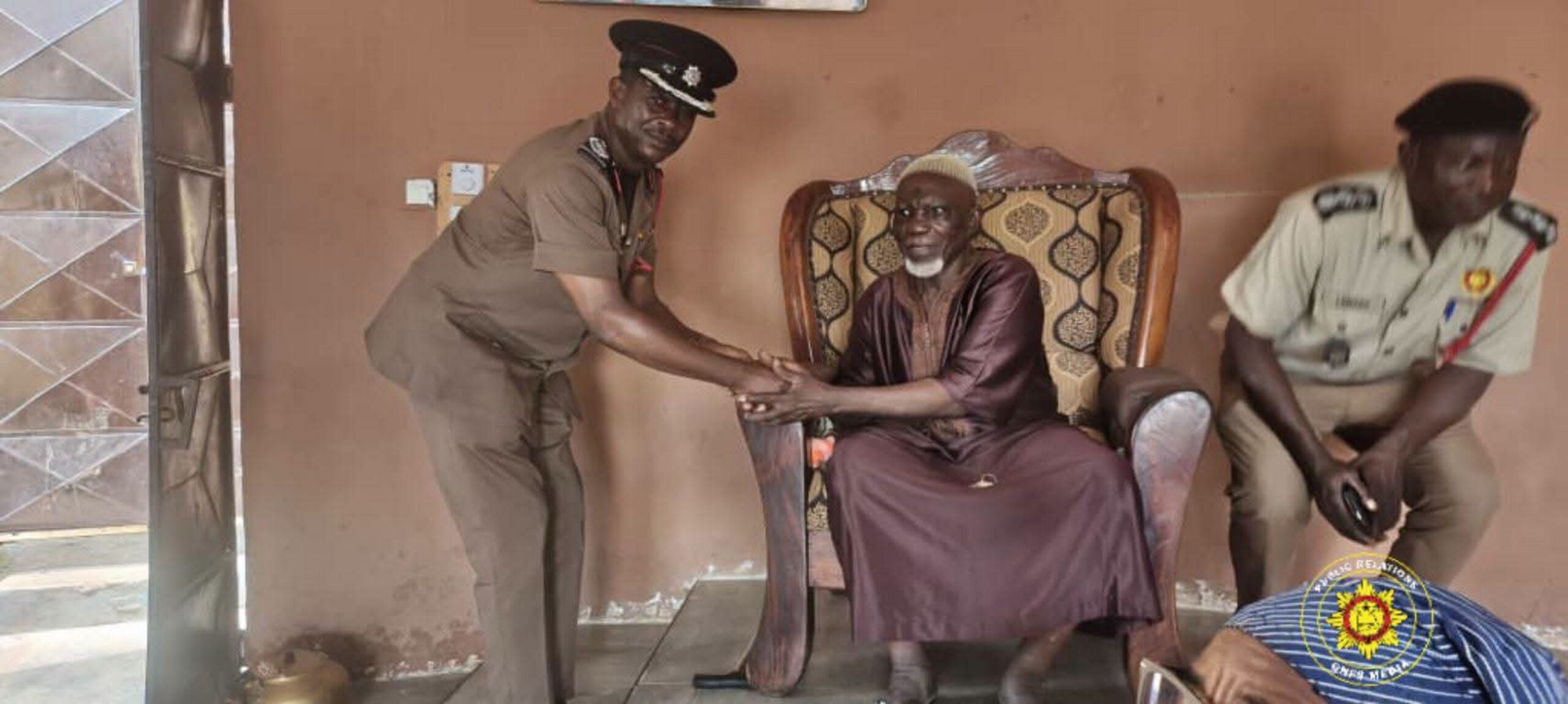
The Paramount Chief of Bamvum, Abdulai Ziblim, has donated a one-acre plot of land at Jongshegu, a suburb of Tamale, to the Ghana National Fire Service (GNFS) for the construction of a new fire station.
The Northern Regional Commander of the GNFS, ACFO I Joseph Koranteng, led a delegation to formally accept the land and expressed appreciation to the Chief for his commitment to public safety.
The proposed fire station is expected to improve emergency response times and strengthen fire safety coverage as Jongshegu and surrounding communities continue to expand rapidly.
The Chief called on stakeholders to support the swift development of the facility, while ACFO I Koranteng described the donation as a strong example of collaboration between traditional authorities and state institutions to protect lives and property.
By Edem Mensah-Tsotorme