News
Ghana makes no progress in latest Corruption Perception Index – Report

- /home/u249204778/domains/spectator.com.gh/public_html/wp-content/plugins/mvp-social-buttons/mvp-social-buttons.php on line 27
https://spectator.com.gh/wp-content/uploads/2024/01/PHOTO-2024-01-30-14-48-07.jpg&description=Ghana makes no progress in latest Corruption Perception Index – Report', 'pinterestShare', 'width=750,height=350'); return false;" title="Pin This Post">
- Share
- Tweet /home/u249204778/domains/spectator.com.gh/public_html/wp-content/plugins/mvp-social-buttons/mvp-social-buttons.php on line 72
https://spectator.com.gh/wp-content/uploads/2024/01/PHOTO-2024-01-30-14-48-07.jpg&description=Ghana makes no progress in latest Corruption Perception Index – Report', 'pinterestShare', 'width=750,height=350'); return false;" title="Pin This Post">
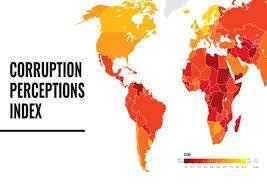
Transparency International has released the latest Corruption Perceptions Index, which ranks Ghana as 70th out of 180 countries in terms of corruption.
The country scored 43 out of a possible 100, which is the same score since 2020.
In Sub-Saharan Africa, Ghana scored better than 39 other countries, including Burkina Faso (41), South Africa (41), Côte d’Ivoire (40), Tanzania (40), and Lesotho (39).
However, it ranked lower than seven countries in the region, including Mauritius (51), Namibia (49), and Sao Tome and Principe (45).
Transparency International’s CPI reveals a mixed picture of anti-corruption efforts in Africa. While some countries have made notable progress, the majority still struggle with widespread corruption.
The average score for African countries remains low, at just 33 out of 100, with 90% of Sub-Saharan African nations scoring below 50.
Under the theme of “Corruption and Justice,” the Corruption Perceptions Index (CPI) for 2023 shows that Ghana’s stagnant score reflects a global trend of failed justice systems, which in turn allows corruption to flourish.
The connection between the country’s CPI score and its performance in the Rule of Law Index, published by the World Justice Project, is particularly striking.
In 2015, Ghana scored 0.60 on the Rule of Law Index, ranking 34th out of 113 countries. By 2023, however, the country’s score had dropped to 0.55, and its ranking had fallen to 61st out of 139 countries.
The Board Chairman of TI, François Valérian, stated that, “Corruption will continue to thrive until justice systems can punish wrongdoing and keep governments in check. When justice is bought or politically interfered with, it is the people who suffer. Leaders should fully invest in and guarantee the independence of institutions that uphold the law and tackle corruption. It is time to end impunity for corruption.”
The Rule of Law Index demonstrates a global decline in the functioning of justice systems, with countries scoring low on the index also ranking poorly on the Corruption Perceptions Index (CPI).
This correlation underscores the close relationship between access to justice and levels of corruption, suggesting that improvements in the former could lead to improvements in the latter.
Therefore, addressing weaknesses in the justice system should be a key focus of anti-corruption efforts and GII has recommended the following:
· The Executive should urgently take steps to lay the Conduct of Public Officers’ Bill in Parliament ensuring that provisions on assets declaration require verification and come with severe sanctions for non-compliance while GII also calls on the Legislature to attach an equal level of urgency to its timely passage.
· The Executive and the Legislature must take steps to bridge the legal gaps necessary for the prosecution of selected corruption cases outside our current legal framework. These anti- corruption frameworks include unexplained wealth, influence peddling, and all aspects of the UNCAC, among others.
· Government must give the justice system the resources and transparency needed to effectively punish all corruption offenses and provide checks and balances on power. Where necessary, they must also introduce better procedures and laws to help justice institutions shield themselves from and target corrupt acts.
· Laws that criminalise defamation or give judges discretion to award crippling compensation in libel cases inhibit the media from investigating and reporting suspected criminality and should be reformed. Journalists must be able to comment fairly on legal proceedings and report suspected or actual corruption or bias.
· The Judicial Service should institute limited immunity for judges in matters related to judicial duties while excluding immunity in corruption or criminal cases. · Expand, strengthen and increase knowledge of the public on the Public Relations and Complaint Unit (PRCU) of the Judicial Services. This will ensure a confidential and rigorous whistleblower policy for reporting suspected breaches, ensuring the involvement of lawyers, court users, prosecutors, police, media, and civil society.
Source: Myjoyonline.com


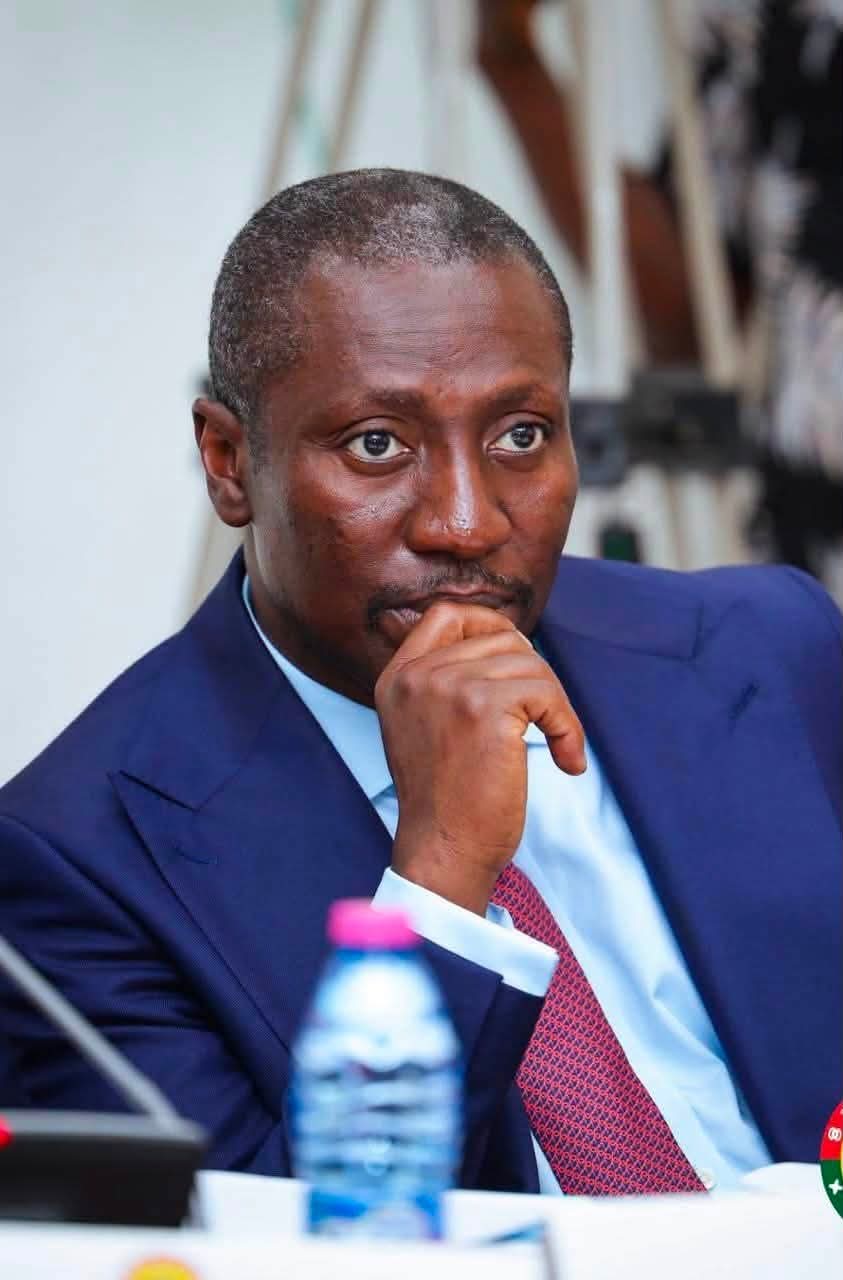
Minority Leader in Parliament, Alexander Afenyo Markin, says he has discharged his duties with the dignity and responsibility demanded by the office, stressing that he does not take the New Patriotic Party (NPP) for granted.
He made the remarks during a media briefing, where he also dismissed claims that there are compromising videos or audio recordings of him that could embarrass him, his family or the party.
Mr Afenyo Markin acknowledged that he is not perfect but insisted that he would not act recklessly, particularly given the responsibility attached to his position as Minority Leader.
“I have discharged my duty as a Minority Leader with all the dignity that must go with the office. I’m not a perfect guy, but I won’t be reckless,” he stated.
He said he was conscious of the history of the position he occupies, noting that it had previously been held by senior members of the NPP, including J.B. Danquah, J.H. Mensah and Busia, Dumbo.
According to him, the party’s elders did not entrust him with the leadership of the parliamentary caucus without considering the responsibility involved.
“I don’t take NPP for granted. It’s a tradition I respect. The elders of this party, they don’t just get up to say, ‘Our son, lead the caucus.’ From day one, they entrusted me with this position,” he stated.
Mr Afenyo Markin said he has always recognised the weight of the party’s history and the need to conduct himself in a manner that protects the image of the NPP.
He rejected claims that individuals have videos or audio recordings of him engaging in activities that could be used to embarrass him.
“Nobody has any video of me doing anything. Nobody has any audio of me doing anything to embarrass myself, my family and the party,” he insisted.
He described the claims as part of the challenges politicians face in the era of social media, where allegations and rumours can spread quickly.
Mr Afenyo Markin maintained that despite such claims, he would continue to carry out his responsibilities with caution and respect for the office he occupies.
By: Jacob Aggrey
Minority Leader in Parliament, Alexander Afenyo Markin, has denied that his concerns over the GoldBod and the Domestic Gold Purchase Programme are aimed at any particular individual.
He explained that his criticism has always been directed at the institution and the way the programme is being implemented, rather than at any person.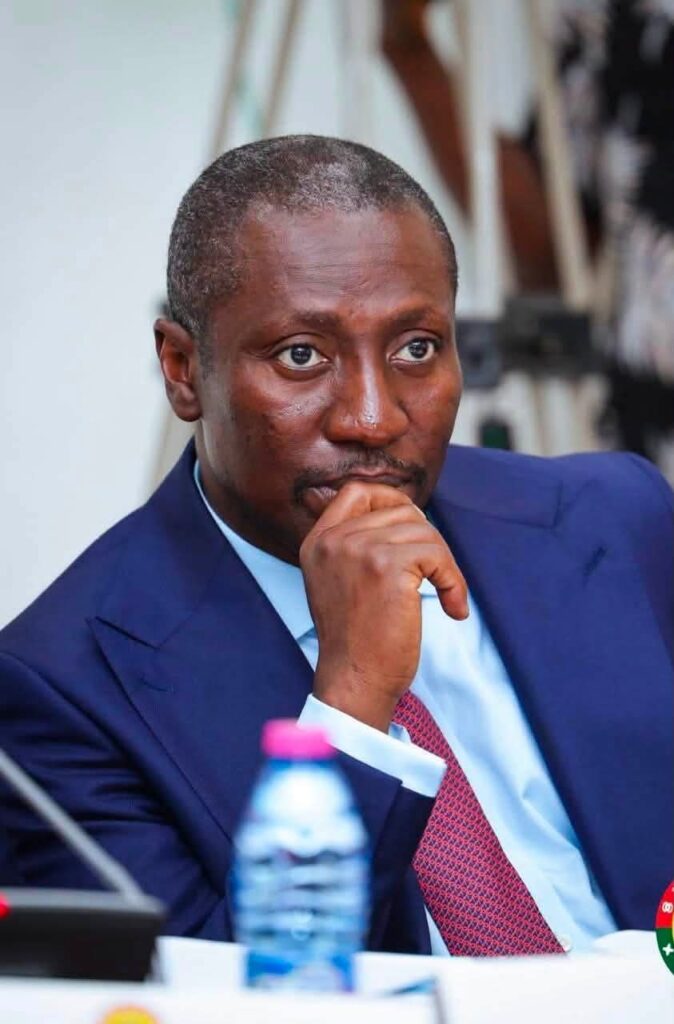
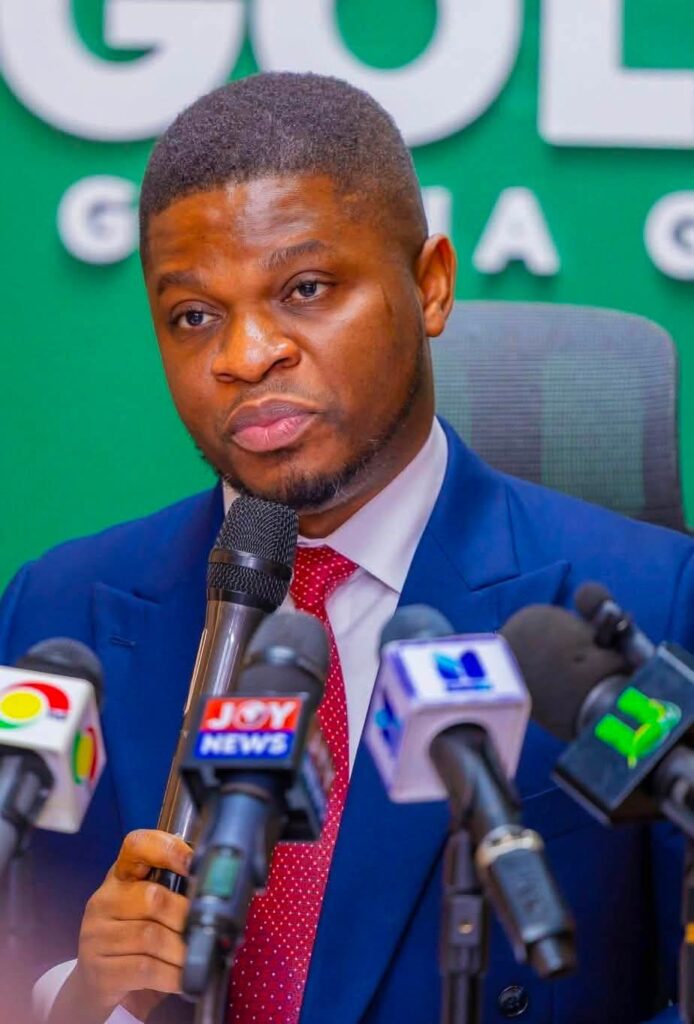
“I have never, on any occasion, mentioned anyone’s name. I have always been talking about the GoldBod institution,” Mr Afenyo Markin stated.
He made these remarks today during a press briefing August 31, 2026,Speaking to when cultural troupes from Winneba visited his residence in Accra
the Minority’s position is that although the Domestic Gold Purchase Programme is a good initiative, its implementation has created challenges that need to be examined.
He described the programme as an initiative introduced under former Vice President Dr Mahamudu Bawumia to use Ghana’s gold resources to help stabilise the economy.
Mr Afenyo Markin maintained that the Minority supports the idea but is concerned about what he described as losses arising from its implementation.
He referenced concerns raised by the International Monetary Fund (IMF) regarding losses associated with the programme, arguing that such issues should be properly investigated.
He therefore rejected suggestions that the matter had become a personal attack.
“We need to elevate the conversation so that it doesn’t become a personality contest,” he added.
Responding to arguments that the reported losses could instead be exchange rate losses on the Bank of Ghana’s own accounts and that the central bank was following international best practices, Mr Afenyo Markin called for patience.
He indicated that the planned parliamentary probe would provide an opportunity for all sides to present their positions and establish the facts.
“When October comes and we start the discussion, wherever the truth is, we will all get to know,” he stated.
By: Jacob Aggrey