News
Chieftaincy disputes affecting development — Family Head


Nii Ashitey Tetteh, Head of the Okpe and Okortsoshishie families of Amamoley and James Town has observed that numerous chieftaincy disputes in the Ga State was driving investors and tourists away.
He said if these were not checked, violence, drug addiction and unemployment would continue to be the bane of the country.
Nii Ashitey Tetteh made the observation when he addressed members of the Okortsoshishie families at James Town, in Accra, after performing family rituals to usher in Homowo last Sunday.
Family members in the diaspora and countries like Togo, Anexor, Benin, and Nigeria graced the occasion.
He said chieftaincy disputes, which were fewer in the olden days, were originally not the custom of the Ga State, and that those formenting such trouble, now were doing so for their personal gains.
Nii Ashitey Tetteh, therefore, called on the government to stamp its authority on these trouble makers by bringing them to expeditious trial, to serve as a deterrent to others, and promote peace for investment to thrive in the Ga State.
He said Homowo celebrations had for many centuries served as a source of unity, cultural practices, and Remembrance Day for the ancestors.
He said cultural practices likened to the celebrations of Twins Festival and the sprinkling of Kpokpoi should never be misconstrued for fetish and other bad practices.

News
Education Minister announces two-year BECE ban for JHS 1 and 2 students who write exams ahead of schedule

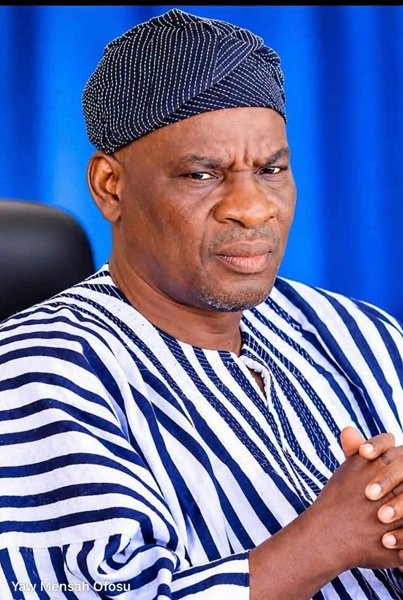
The Minister for Education, Haruna Iddrisu, has announced a two-year ban for students in Junior High School (JHS) 1 and 2 who attempt to write the Basic Education Certificate Examination (BECE) ahead of their scheduled year.
The minister said the directive takes immediate effect and is aimed at preventing students from advancing to JHS 3 before completing the required period of basic education.
Speaking during National Education Week, Mr Iddrisu directed the Director-General of the Ghana Education Service (GES) to ensure that all regional directors and headteachers are informed about the new directive and enforce it.
Mr Iddrisu explained that the decision was necessary to instil discipline in the education system and allow authorities to plan effectively for the number of candidates expected to complete basic education and sit for the BECE each year.
According to him, the practice of allowing some pupils to skip academic levels to write the examination earlier creates difficulties for education authorities in determining the actual number of students expected to graduate from basic school annually.
He expressed concern about parents who encourage their children to move ahead of their classmates and write the examination before the appropriate time.
The minister argued that such a practice undermines fairness and equal opportunities among pupils, stressing that children should follow the approved academic progression rather than being pushed to complete their education ahead of others.
“Some parents want to force their children to go ahead of others. That is not equity,” he stated.
By: Jacob Aggrey

Ghana’s High Commissioner to Nigeria, H.E. Baba Sadiq Abdulai Abu, has accompanied the Speaker of Ghana’s Parliament, Rt. Hon. Alban Sumana Kingsford Bagbin, on a courtesy visit to the President of Nigeria’s Senate, H.E. Senator Godswill Akpabio.
The visit, described as a powerful demonstration of Ghana-Nigeria solidarity and shared democratic values, reaffirmed the historic bonds between the two countries and the importance of sustained parliamentary diplomacy.
Speaker Bagbin, who is also Chairman of the Conference of Speakers and Presidents of African Legislatures (CoSPAL), and Senator Akpabio discussed ways of strengthening democratic governance, deepening bilateral relations, and expanding economic cooperation.
Both leaders underscored the responsibility of political institutions to protect democracy, restore public confidence in governance, and promote peaceful political processes across West Africa.
By Edem Mensah-Tsotorme