Fashion
All set for virtual Miss Ghana fashion show tomorrow


Ghanaians would tomorrow experience another exciting show where contestants of Miss Ghana 2020, would hit the runway to exhibit their cat-walking prowess to judges of the contest.
This show is expected to take place tomorrow at the Underbridge Event Centre, in East Legon, at 7pm.
The initiative is a collaboration between organisers of Miss Ghana, Exclusive Events Ghana, Kri8 Concept and Underbridge Event Centre to ensure that talent was not impeded in this COVID-19 era.
In an interview with The Spectator, the Chief Executive Officer (CEO) of Exclusive Events, Inna Patty, said all the necessary measures had been put in place to ensure a successful event on Sunday.
According to her, fashion would be one of the essential prejudging criterion to select a Miss Ghana, adding that the judges would look out for confidence, and exquisite catwalk.
Inna Patty further dislcosed that the aim of the fashion show is to select top models, promote local textiles, and showcase the country’s rich culture.
On the night, she said, contestants would showcase beads, evening and casual wears, as well as ‘bobo’ among others.
She expressed her appreciation to Tang Palace Hotel, Bel Beverages, Bel Aquah, Alt Fabrics, Snax restaurants, and Note Cosmetics Ghana, among other organisations for supporting this year’s Miss Ghana pageant.
The fashion show would be spiced with intermittent musical performances.
By Edem Mensah-Tsotorme


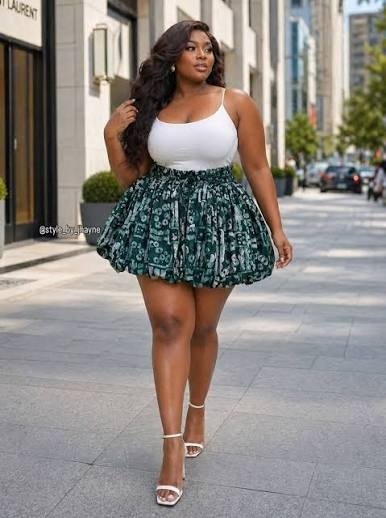
Skirts are a wardrobe essential for many women, offering a variety of styles for different occasions.
Interestingly, not every woman is familiar with different types of skirts available and how best to style them.
The Spectator takes a look at the different types of skirts every woman should know about.
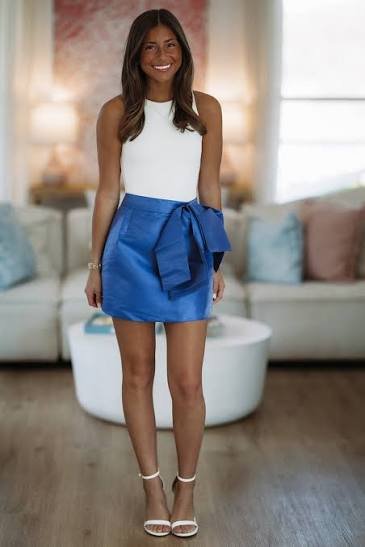
Mini skirt: Short length above knee.
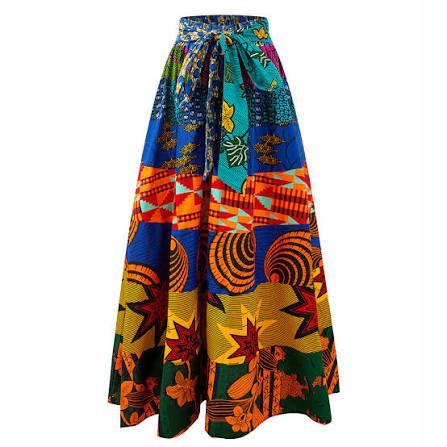
Maxi skirt: Long length reaches the knee.
Tierd skirt: Layers of fabric for a flowy look
Mermaid skirt: Fitted through the hips, flaring the bottom.
Trumpet skirt: Slight flare from mid-thigh to hem.
Circle skirt: Full and flared with a circular shape.
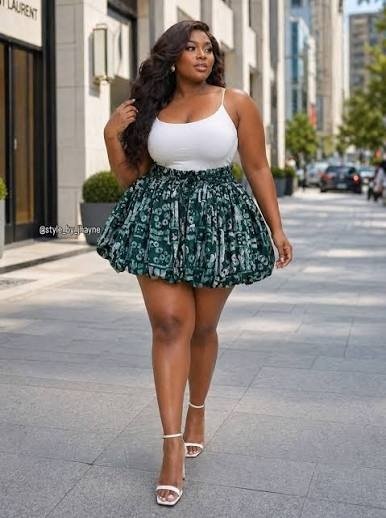
Bubble skirt: Gathered hem creates a full, rounded shape.
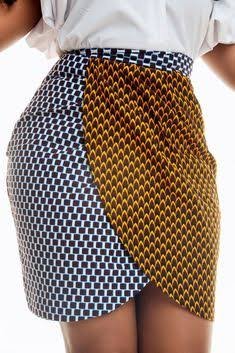
Wrap skirt: Wraps around the waist and ties
Staker skirt: Short and flared playful style
Pencil skirt: Slim fit, straight shape
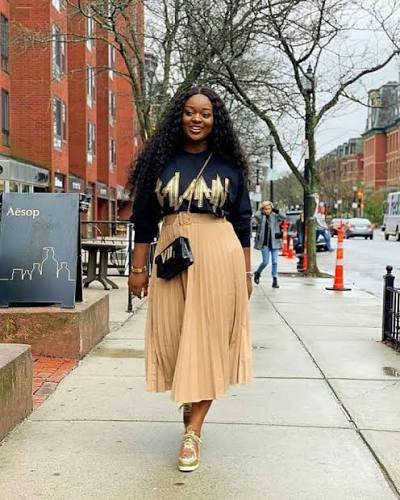
Pleated skirt: Features even folds or pleats.
Tullip skirt: Overlapping from panels create a tulip shape.
Asymmetrical skirt: Uneven hemline for a modern look.
Godet skirt: Inset panels add extra flare.
A-Line skirt: Fitted at the waist gradually flares out.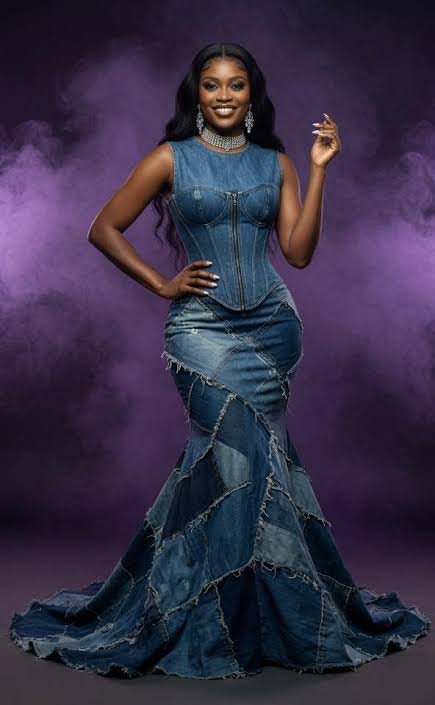
SKIP THE QUEUE, TAP THE NEWS
You can now read the Ghanaian Times and The Spectator newspapers from the comfort of your device via TimesNewsPlus.
Join our WhatsApp Channel: https://whatsapp.com/channel/0029VbBElzjInlqHhl1aTU27
By Linda Abrefi Wadie
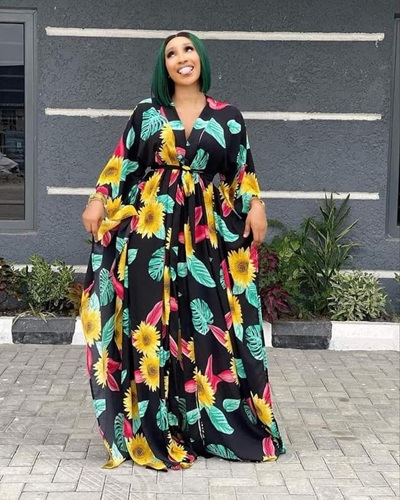
VINTAGE dresses are making a strong comeback in the fashion world as more women embrace timeless designs that combine elegance and a touch of jewellery.
Once regarded as old-fashioned, vintage dresses are now becoming fashionable choices for women who want to stand out from the crowd.
Fashion enthusiasts are particularly drawn to vintage pieces because of their uniqueness. Unlike mass-produced outfits that are often seen everywhere, vintage dresses offer wearers the opportunity to create a distinctive look while expressing their personality.
Vintage dresses are also versatile; they can be worn to weddings, parties, church services, social gatherings or even casual outings, depending on how they are styled. Pairing them with modern shoes, a handbag or simple jewellery can give the outfit a fresh and contemporary appearance.
Vintage fashion therefore proves that style does not always have to mean following the latest trend. Sometimes, the most fashionable statement is found in the beauty of the past.