News
Abu Jinapor questions Ablakwa’s disclosure on Ghana’s military collaboration with US and Nigeria

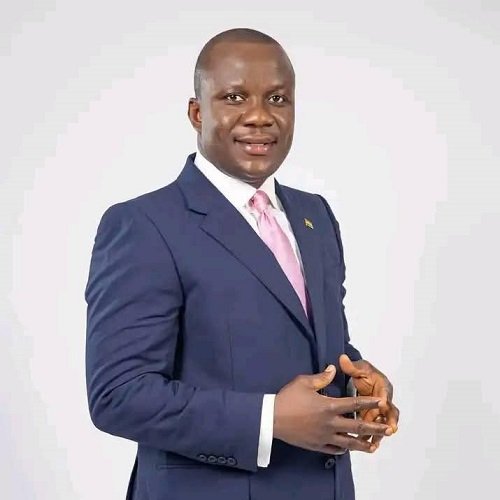
Member of Parliament for Damongo and Ranking Member on the Foreign Affairs Committee, Samuel Abu Jinapor has questioned the decision by the Minister for Foreign Affairs, Samuel Okudzeto Ablakwa, to publicly disclose information about Ghana’s military collaboration with the United States and Nigeria.
Mr Jinapor explained that if he were in the minister’s position, he would not have made such information public because matters relating to national security are often sensitive.
He made the remarks during an interview on Joy FM.
The comments come after the Minority in Parliament raised concerns about the disclosure and questioned why details about Ghana’s alleged involvement in a military operation targeting a terrorist organisation in a foreign country had been made public.
Mr Jinapor indicated that, on the face of it, he would not have released such information.
According to him, individuals who serve in government, especially those involved in national security matters, are often given privileged and sensitive information which must be handled with caution.
He noted that during his time as a minister under former President Nana Addo Dankwa Akufo Addo, he served on the National Security Council for four years and was exposed to how governments manage national security issues.
He explained that because of the sensitive nature of such information, he would not have gone on a panel discussion to reveal that the government collaborated with another country to carry out a military strike against a terrorist organisation in a foreign country.
Mr Jinapor however urged the public to give the minister the benefit of the doubt, adding that he was not aware of the full reasoning behind the disclosure made by Mr Ablakwa.
By: Jacob Aggrey








News
Education Minister announces two-year BECE ban for JHS 1 and 2 students who write exams ahead of schedule
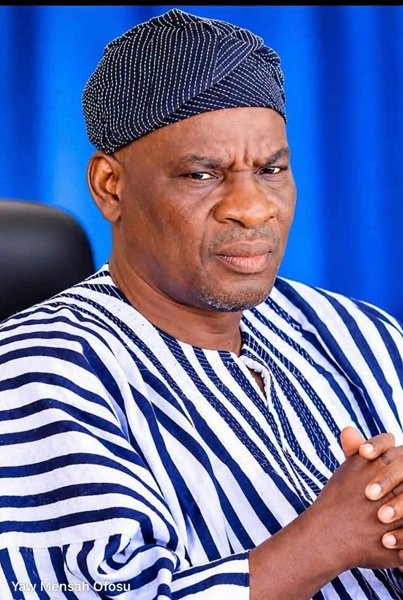
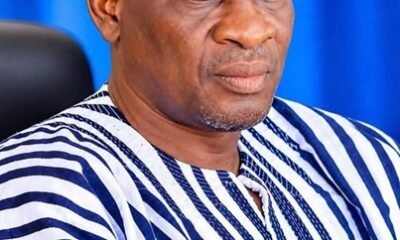
The Minister for Education, Haruna Iddrisu, has announced a two-year ban for students in Junior High School (JHS) 1 and 2 who attempt to write the Basic Education Certificate Examination (BECE) ahead of their scheduled year.
The minister said the directive takes immediate effect and is aimed at preventing students from advancing to JHS 3 before completing the required period of basic education.
Speaking during National Education Week, Mr Iddrisu directed the Director-General of the Ghana Education Service (GES) to ensure that all regional directors and headteachers are informed about the new directive and enforce it.
Mr Iddrisu explained that the decision was necessary to instil discipline in the education system and allow authorities to plan effectively for the number of candidates expected to complete basic education and sit for the BECE each year.
According to him, the practice of allowing some pupils to skip academic levels to write the examination earlier creates difficulties for education authorities in determining the actual number of students expected to graduate from basic school annually.
He expressed concern about parents who encourage their children to move ahead of their classmates and write the examination before the appropriate time.
The minister argued that such a practice undermines fairness and equal opportunities among pupils, stressing that children should follow the approved academic progression rather than being pushed to complete their education ahead of others.
“Some parents want to force their children to go ahead of others. That is not equity,” he stated.
By: Jacob Aggrey
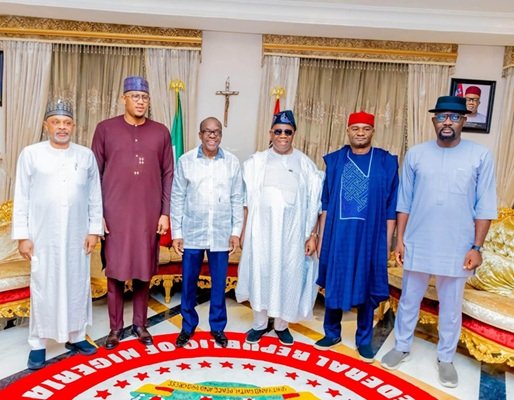
Ghana’s High Commissioner to Nigeria, H.E. Baba Sadiq Abdulai Abu, has accompanied the Speaker of Ghana’s Parliament, Rt. Hon. Alban Sumana Kingsford Bagbin, on a courtesy visit to the President of Nigeria’s Senate, H.E. Senator Godswill Akpabio.
The visit, described as a powerful demonstration of Ghana-Nigeria solidarity and shared democratic values, reaffirmed the historic bonds between the two countries and the importance of sustained parliamentary diplomacy.
Speaker Bagbin, who is also Chairman of the Conference of Speakers and Presidents of African Legislatures (CoSPAL), and Senator Akpabio discussed ways of strengthening democratic governance, deepening bilateral relations, and expanding economic cooperation.
Both leaders underscored the responsibility of political institutions to protect democracy, restore public confidence in governance, and promote peaceful political processes across West Africa.
By Edem Mensah-Tsotorme