News
Fifth Africa Prosperity Dialogues launched in Accra

- /home/u249204778/domains/spectator.com.gh/public_html/wp-content/plugins/mvp-social-buttons/mvp-social-buttons.php on line 27
https://spectator.com.gh/wp-content/uploads/2026/09/WhatsApp-Image-2026-09-02-at-15.48.48-1000x600.jpeg&description=Fifth Africa Prosperity Dialogues launched in Accra', 'pinterestShare', 'width=750,height=350'); return false;" title="Pin This Post">
- Share
- Tweet /home/u249204778/domains/spectator.com.gh/public_html/wp-content/plugins/mvp-social-buttons/mvp-social-buttons.php on line 72
https://spectator.com.gh/wp-content/uploads/2026/09/WhatsApp-Image-2026-09-02-at-15.48.48-1000x600.jpeg&description=Fifth Africa Prosperity Dialogues launched in Accra', 'pinterestShare', 'width=750,height=350'); return false;" title="Pin This Post">
The fifth edition of the Africa Prosperity Dialogues (APD) 2027 has been officially launched in Accra, with a renewed call for a borderless Africa that promotes free movement, seamless payments and increased trade.
The event is scheduled to take place from January 27 to 29, 2027, at the Kempinski Hotel Gold Coast City in Accra.
It will be held under the theme, “The Borderless Africa We Want: Move Freely. Pay Seamlessly. Trade More.”
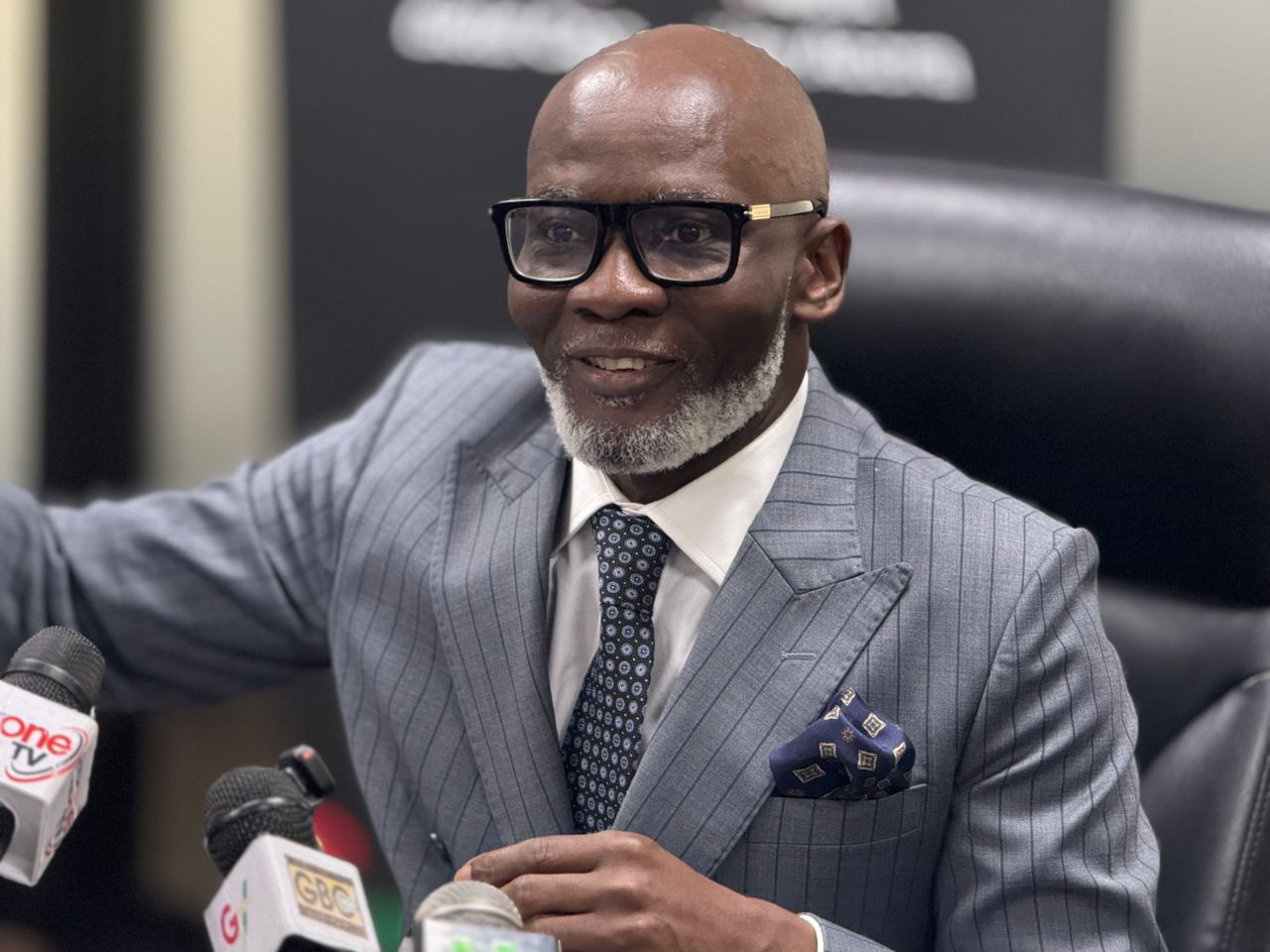
Founder and Executive Chairman of the Africa Prosperity Network, Gabby Asare Otchere-Darko, announced the details at a press conference in Accra.
He explained that the event is being moved from the Accra International Conference Centre, which hosted previous editions, because the facility is currently closed for refurbishment.
Otchere-Darko noted that the Kempinski Hotel had been selected because it was already familiar to the organisers and frequently accommodated visiting dignitaries attending the dialogues.
However, he acknowledged that the change in venue would significantly reduce the number of participants because the hotel has a capacity of about 1,000 people.
He recalled that the previous edition attracted about 6,400 participants from 94 countries over three days.
Due to the limited capacity, he indicated that participants for the 2027 edition would go through a pre-registration and vetting process before their attendance is confirmed.
Official registration for the event is expected to begin on September 7, 2026.
Unlike previous editions, he disclosed that participants would also be required to pay a registration fee, partly to support the organisation of the event and manage the limited number of spaces available.
Speaking on the theme, Otchere-Darko stressed the need for African countries to move beyond discussions on continental integration and take practical steps towards achieving a borderless Africa.
He noted that African leaders had signed several agreements aimed at promoting integration, including the Abuja Treaty and the African Continental Free Trade Area agreement.
According to him, the AU Free Movement Protocol, adopted in 2018, was intended to allow Africans to travel across the continent without visas.
However, he expressed concern that the protocol had not yet come into force because only a few African countries had completed the process of ratification.
He explained that at least 15 African Union member states must ratify the protocol before it can take effect.
“As we speak, only four countries have ratified that protocol, and Ghana is not part of it,” he stated.
Otchere-Darko identified Rwanda, Niger, Mali and São Tomé and Príncipe as the countries that have ratified the protocol.
He expressed hope that Ghana would ratify the protocol, particularly when President John Dramani Mahama assumes the chairmanship of the African Union next year.
“We are hoping that with our President becoming Chairman of the African Union from next year, it will give him the impetus to lead by ratification,” he said.
He added that Ghana’s ratification could encourage other African countries, particularly those in West Africa, to follow suit.
Otchere-Darko argued that concerns about security should not be used as an excuse to prevent visa-free travel across Africa.
He noted that ECOWAS countries already operate a free movement system and stressed that legitimate travellers and businesses should not be unnecessarily restricted because of fears about criminal activities.
He used his personal experience to highlight the difficulties Africans face when travelling across the continent.
According to him, although he holds both Ghanaian and British passports, his British passport gives him easier access to several African countries than his Ghanaian passport once he travels outside West Africa.
“It is shameful that my British passport takes me further and quicker across Africa than my Ghanaian ECOWAS passport once I leave West Africa,” he stated.
Beyond free movement, Otchere-Darko said the APD 2027 would also focus on promoting seamless payment systems across the continent.
He called for mobile money interoperability across African countries to make it easier for individuals and businesses to buy and sell goods across borders.
He explained that while mobile money has made payments and business transactions easier within Ghana, Africans are still unable to easily use their mobile money wallets to make payments in other African countries.
According to him, creating a continent-wide mobile money interoperability system would boost intra-African trade, particularly for small and medium-sized enterprises.
He said it would allow consumers to purchase goods from businesses in other African countries using their local currencies and mobile money wallets.
This, he added, would also create opportunities for the transport, logistics and other sectors needed to move goods across the continent.
Otchere-Darko said the organisers and their partners had already held discussions with telecommunications operators, central banks and other stakeholders on achieving cross-border mobile money interoperability.
He expressed optimism that Africa could achieve continent-wide mobile money interoperability by 2027.
The Africa Prosperity Dialogues bring together political leaders, business executives, policymakers, civil society organisations and other stakeholders to discuss practical solutions towards Africa’s economic integration and prosperity.
The 2027 edition is expected to focus on turning the idea of a borderless Africa into practical opportunities for Africans to travel freely, make seamless payments and trade more across the continent.
By: Jacob Aggrey







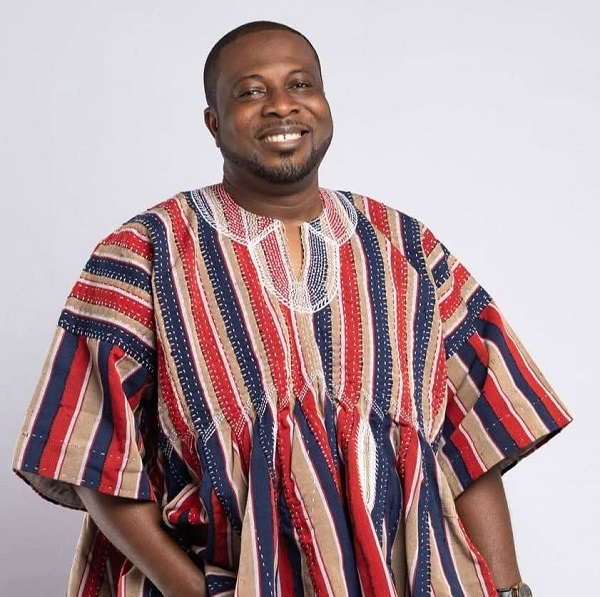
Aspiring National Organiser of the New Patriotic Party (NPP), Salam Mustapha, has defended the party’s jobs plan under the previous government, arguing that it was more credible than the employment promises made by the National Democratic Congress (NDC).
According to him, the NPP had several programmes in the pipeline that could have created jobs for young people if given more time to implement them.
Mr Mustapha made the remarks at Channel one TV on Tuesday September 1, 2026 where he highlighted the NPP’s defeat in the 2024 general election and the concerns of young people over unemployment.
He likened the situation facing the NPP before the election to the Titanic, explaining that although he warned the party about the challenges ahead, the problem was not that the leadership ignored his concerns but rather a lack of capacity to address them quickly.
He pointed to the pressure on government finances, noting that about 60 to 70 per cent of the country’s revenue goes into the payment of public sector workers.
Mr Mustapha explained that the NPP’s plans required time to create sustainable employment opportunities rather than providing jobs for all young people overnight.
He cited the Agenda 111 hospital project as one of the programmes that could have created employment, particularly for health workers.
According to him, the completion of the project would have required about 70,000 health workers.
He acknowledged, however, that young people who were unemployed and struggling could not simply wait for two or three years for jobs to be created.
Mr Mustapha criticised the NDC government’s employment initiatives, claiming that some of its campaign promises to the youth have not been fulfilled.
He cited the promise to create 100,000 jobs, arguing that the government had created fewer than 10,000 so far and had also failed to sustain some of the programmes.
He questioned the progress of the government’s “One Million Coders” initiative and the automatic employment promise for nurses.
Mr Mustapha further argued that the government’s entrepreneurship initiatives were similar to programmes introduced under the NPP.
He cited the “Adwumawura” programme, which he linked to former President Nana Addo Dankwa Akufo-Addo’s administration, as an example of efforts to support young entrepreneurs.
Despite the NPP’s defeat among young voters, Mr Mustapha expressed confidence that many young people who previously voted against the party may have changed their minds.
He pointed to discussions on social media as an indication of growing dissatisfaction among some young people with the NDC government.
Mr Mustapha maintained that the NPP could regain the confidence of the youth if it addresses their concerns and presents practical solutions to unemployment.
By: Jacob Aggrey
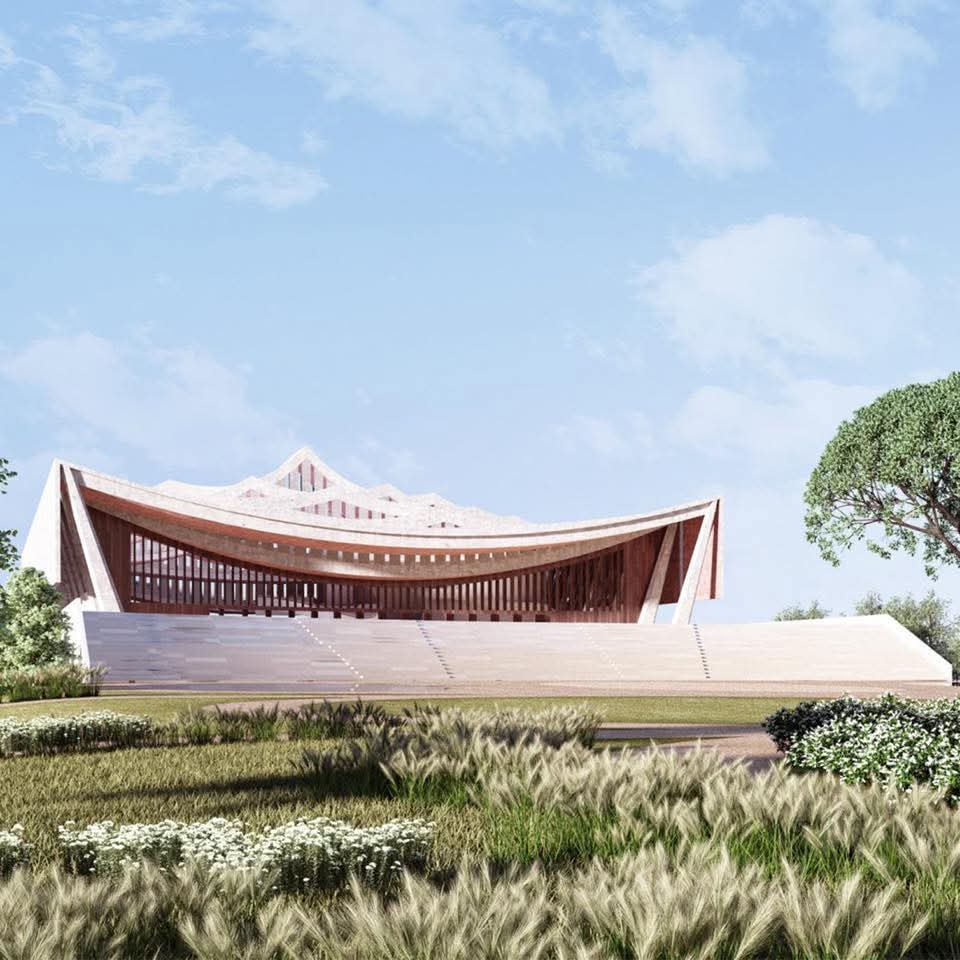
The Christian Council of Ghana has called on the government to put aside political differences and support efforts to complete the construction of the National Cathedral.
The Council made the call during a courtesy visit to the Minister of Local Government, Chieftaincy and Religious Affairs, Mahama Ayariga.
The General Secretary of the Council, Rev. Dr Cyril Fayose, stated that Christians in Ghana are prepared to support the project, while some international organisations and donor partners are also willing to contribute.
He, however, stressed that government support is needed to move the project forward.
“Christians in Ghana are willing to support the building of the National Cathedral,” Rev. Dr Fayose stated, adding that international organisations and donor partners were also ready to assist.
“What we need is the blessing of the state,” he added.
Rev. Dr Fayose urged the government to remove politics from discussions surrounding the project, arguing that this could help create the needed environment for its completion.
He expressed confidence that the project could be completed with the support of all stakeholders.
The General Secretary appealed to Mr Ayariga to fulfil a commitment he made during his vetting regarding the National Cathedral.
He prayed for the Minister and expressed hope that his administration would support efforts to realise the project.
By: Jacob Aggrey