News
Asiedu Nketia urges patience on Galamsey fight, says recovery takes time


- /home/u249204778/domains/spectator.com.gh/public_html/wp-content/plugins/mvp-social-buttons/mvp-social-buttons.php on line 27
https://spectator.com.gh/wp-content/uploads/2025/10/WhatsApp-Image-2025-10-14-at-16.31.50.jpeg&description=Asiedu Nketia urges patience on Galamsey fight, says recovery takes time', 'pinterestShare', 'width=750,height=350'); return false;" title="Pin This Post">
- Share
- Tweet /home/u249204778/domains/spectator.com.gh/public_html/wp-content/plugins/mvp-social-buttons/mvp-social-buttons.php on line 72
https://spectator.com.gh/wp-content/uploads/2025/10/WhatsApp-Image-2025-10-14-at-16.31.50.jpeg&description=Asiedu Nketia urges patience on Galamsey fight, says recovery takes time', 'pinterestShare', 'width=750,height=350'); return false;" title="Pin This Post">
Chairman of the National Democratic Congress (NDC), Johnson Asiedu Nketia, has called on Ghanaians to exercise patience as the government continues efforts to control illegal mining, popularly known as galamsey.
He compared the process of restoring the country’s forests and rivers to the natural time it takes for a woman to give birth, saying, “However hard you try, one cannot produce a child in less than nine months.”
According to him, although work has begun on the fight against galamsey, it will take time before the results become visible.
“If we stop the mining, it will take some time for the water bodies to be clean. If we stop the mining in forest reserves, it will take time for us to reclaim the forest and plant new trees,” he explained.
Mr. Asiedu Nketia said many people have criticised the government for not delivering on its promises to control galamsey and create jobs for the youth.
However, he insisted that the process takes time and should not be rushed.
He added that some developmental efforts have a natural period before they yield results, urging the public to acknowledge the progress made so far.
“I am happy about the progress being made, and I want all of you to commend the government for the work that has been done so far,” he said.
By: Jacob Aggrey

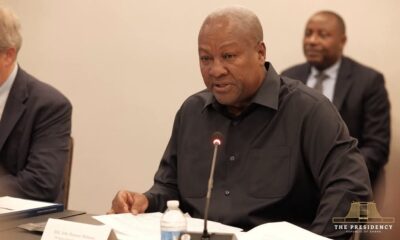




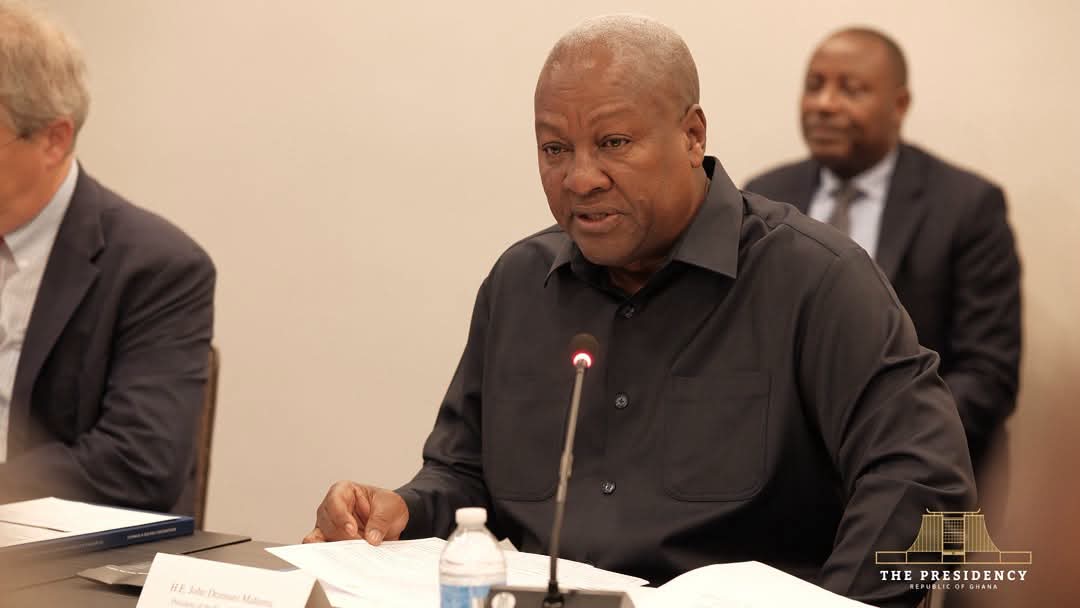
President John Dramani Mahama has called for stronger domestic capacity, effective institutions and sustainable financing as countries in the Global South continue to face growing debt pressures and disruptions in the international development landscape.
Speaking at a Presidential Roundtable organized by the Open Society Foundation in New York on Monday, on the sidelines of the 81st UN General Assembly, President Mahama said the priority for developing nations must be to create jobs, improve public services, build infrastructure and expand opportunities, particularly for young people.
“When I speak about sovereignty in this context, I am speaking about the capacity to act,” President Mahama stated.
He further stressed the need for stronger coordination across government, greater domestic resource mobilisation, sound financial management and institutions capable of delivering measurable results.
“Where an approach proves successful, the next step should be its adoption into public systems, local delivery institutions, and long-term financing models,” he added.
The high-level roundtable brought together presidents and chief executives of major global foundations to discuss sustainable development, financing and strengthening institutions across the Global South.
By Edem Mensah-Tsotorme
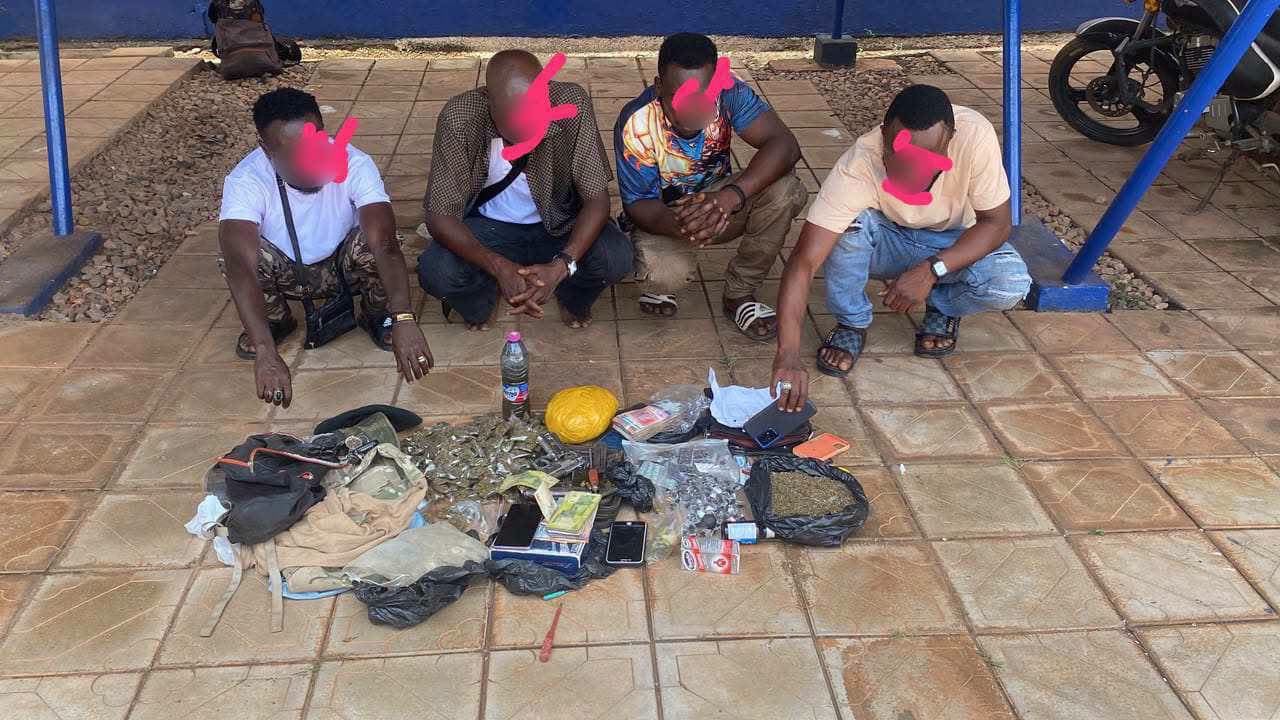
The Northern Regional Police Command has arrested five people during an operation at the Aboabo scraps area in Tamale, where two pistols, ammunition, suspected narcotics and cash were recovered.
The operation was carried out on Monday, September 21, 2026, at about 11:30 a.m. by the Special Operations Team, known as RED MARIA, as part of efforts to clamp down on drug peddling, drug use and other criminal activities in the Tamale Metropolis.
According to the police, the team acted on credible information and proceeded to the Aboabo scraps area, near the forest, where they arrested five suspects.
They were identified as Ibrahim Issahaku, 39; Mohammed John, 28; Mohammed Nawas, 25; Mohammed Osman Awal, 41; and Kwame Boateng, 28.
The police said a search at the residence of Ibrahim Issahaku led to the recovery of two foreign made pistols, two rounds of 9mm ammunition, one parcel of suspected Indian hemp and GH¢1,880 in cash.
The police also found GH¢18,825 concealed inside the motorcycle of Kwame Boateng at the ghetto. The money is suspected to be proceeds from the sale of narcotic drugs.
Other items recovered included 123 wraps of suspected Indian hemp, 12 sachets of 1mg Rohypnol, seven sachets of 250mg Tramadol, 111 wraps of suspected ashes and three motorbikes.
In a statement issued on Tuesday, September 22, 2026, the Northern Regional Police Commander, DCOP Wisdom Lavoe, said the suspects and the exhibits had been handed over to the Regional Drug Law Enforcement Unit for further investigation and the necessary action.
He added that the Regional Command would continue to conduct intelligence led operations to disrupt drug related activities and other criminal activities in the region.
By: Jacob Aggrey

 Entertainment1 week ago
Rhythms On Da Runway returns November 28 with 16th edition themed ‘Unbound’
- News1 week ago
48 Engineer Regiment to be major sub-contractor on Accra-Kumasi Expressway, $2bn ready- Prez Mahama
- Entertainment1 week ago
Ohemaa Mercy’s Tehillah Experience outfit was priestly regalia, not costume – Management clarifies