News
Beyond morning sickness: The unexpected reality of pre-eclampsia

- /home/u249204778/domains/spectator.com.gh/public_html/wp-content/plugins/mvp-social-buttons/mvp-social-buttons.php on line 27
https://spectator.com.gh/wp-content/uploads/2024/07/As-a-pregnant-woman-every-kick-and-twitch-of-the-growing-baby-is-a-precious-milestone.jpg&description=Beyond morning sickness: The unexpected reality of pre-eclampsia', 'pinterestShare', 'width=750,height=350'); return false;" title="Pin This Post">
- Share
- Tweet /home/u249204778/domains/spectator.com.gh/public_html/wp-content/plugins/mvp-social-buttons/mvp-social-buttons.php on line 72
https://spectator.com.gh/wp-content/uploads/2024/07/As-a-pregnant-woman-every-kick-and-twitch-of-the-growing-baby-is-a-precious-milestone.jpg&description=Beyond morning sickness: The unexpected reality of pre-eclampsia', 'pinterestShare', 'width=750,height=350'); return false;" title="Pin This Post">
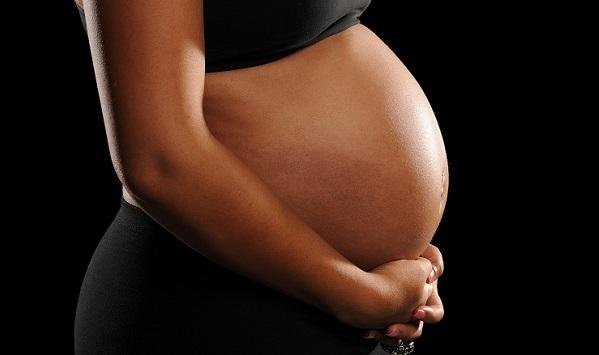
As a pregnant woman, every kick and twitch of the growing baby is a precious milestone, coupled with full expectations of holding the newborn in their arms at the end of their gestation.
For some women, their anticipation, joy, and hope are clouded by the threat of pre-eclampsia, a condition that can turn a dream pregnancy into a nightmare.
Pre-eclampsia
It is a disease characterised by high blood pressure and damage to many organs, such as the liver and kidney.
It is regarded as a silent predator that strikes without warning and could have devastating consequences for both the expectant mother and the foetus.
Despite its severity, it remains a misunderstood condition.
Pre-eclampsia has no regard for the age, health, or background of any pregnant woman and affects thousands of women worldwide.
It sets in after the 20th week of gestation in women who may have had normal blood pressure earlier. It can be present in the normal, moderate, or severe range.
‘A mother’s strength,
overcoming pre-eclampsia’
Mrs Adjoa Arthur is a 39-year-old trader in Ashaiman-Zenu and has three children: two boys and a girl.
She said her first pregnancy was without complications, but the last baby, Crystal Arthur’s pregnancy changed her dreams and almost turned them into nightmares.
Mrs Arthur recounted that she began having slight headaches, double vision, and easily fatigued symptoms, which she considered normal as every pregnancy comes with different experiences.
The symptoms spiked like a thunderstorm, and she started having blurry vision, severe headaches, nausea, and vomiting, among others.
“I gained weight abnormally; my face got swollen; I couldn’t breathe well; it became severe; I was panting for air; there was a time I almost died if not for the swift intervention of my husband.”
She added that she was diagnosed with pre-eclampsia on her 22nd week of gestation: “I was shocked because everything was normal; I never saw myself in that situation; the first pregnancy was smooth; I even thought it was spiritual.”
To save the baby and mother, she was induced to give birth in the 37th week of pregnancy. The baby was delivered more than 24 hours after the inducement.
“When I saw the baby, although I was weak, the joy I felt was immeasurable; it was a miracle. I thanked God for his goodness, and my husband was in tears,” Mrs Arthur narrated with joy.
Today my baby is thriving, a vibrant reminder of hope, courage, and thankfulness to God Almighty.
Pre-eclampsia can be dangerous and life-threatening by causing complications such as eclampsia, placenta abruption, foetal growth restriction, kidney and liver damage, low birth weight.
The cause of pre-eclampsia is not known; however, risk factors include expecting multiple babies, a previous history of pre-eclampsia, family history, and having a body mass index above 35.
While herbs may have health benefits, pre-eclampsia is a serious medical condition that requires evidence-based medical treatment. The use of herbs without medical treatment may lead to further serious complications.
Dr Akosua Agyeiwaa Owusu-Sarpong, the Greater Accra Regional Director of Health Services, said the region recorded 170 maternal deaths, of which 30 per cent were due to pre-eclampsia.
She said this during the launch of the 2024 world pre-eclampsia day at the Shai-Osudoku District Hospital, stating that pre-eclampsia in Sub-Saharan Africa occurs among about 13 per cent of all pregnant women.
Conclusion
Pre-eclampsia can lead to devastating consequences for the woman, baby, and even the family if not prevented and handled properly.
Pregnant women have therefore been urged by health experts to seek immediate treatment from health facilities and not desist from taking other non-prescribed medications. –GNA


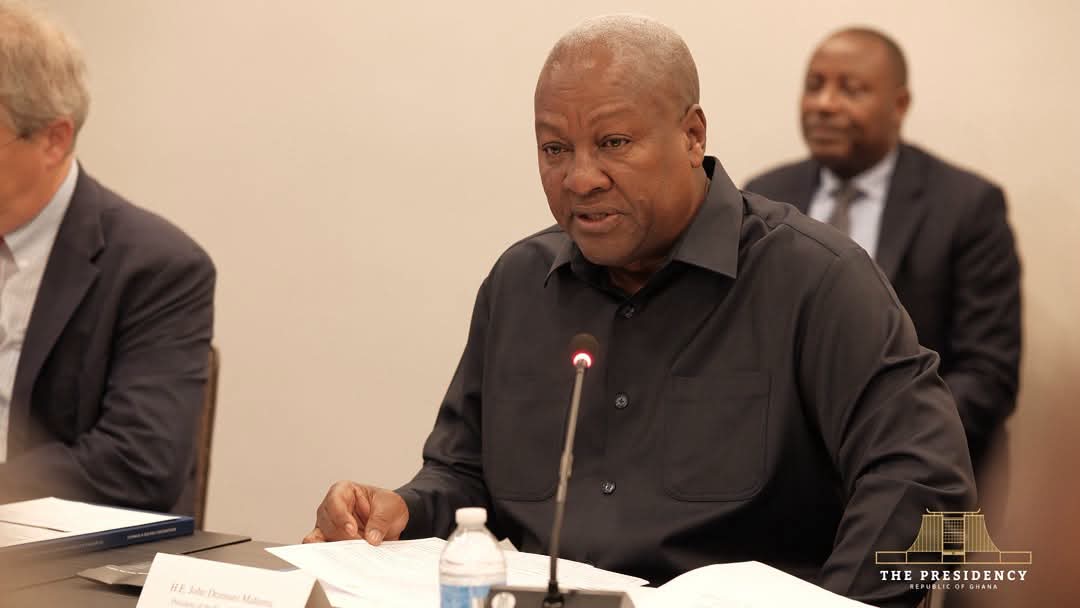
President John Dramani Mahama has called for stronger domestic capacity, effective institutions and sustainable financing as countries in the Global South continue to face growing debt pressures and disruptions in the international development landscape.
Speaking at a Presidential Roundtable organized by the Open Society Foundation in New York on Monday, on the sidelines of the 81st UN General Assembly, President Mahama said the priority for developing nations must be to create jobs, improve public services, build infrastructure and expand opportunities, particularly for young people.
“When I speak about sovereignty in this context, I am speaking about the capacity to act,” President Mahama stated.
He further stressed the need for stronger coordination across government, greater domestic resource mobilisation, sound financial management and institutions capable of delivering measurable results.
“Where an approach proves successful, the next step should be its adoption into public systems, local delivery institutions, and long-term financing models,” he added.
The high-level roundtable brought together presidents and chief executives of major global foundations to discuss sustainable development, financing and strengthening institutions across the Global South.
By Edem Mensah-Tsotorme
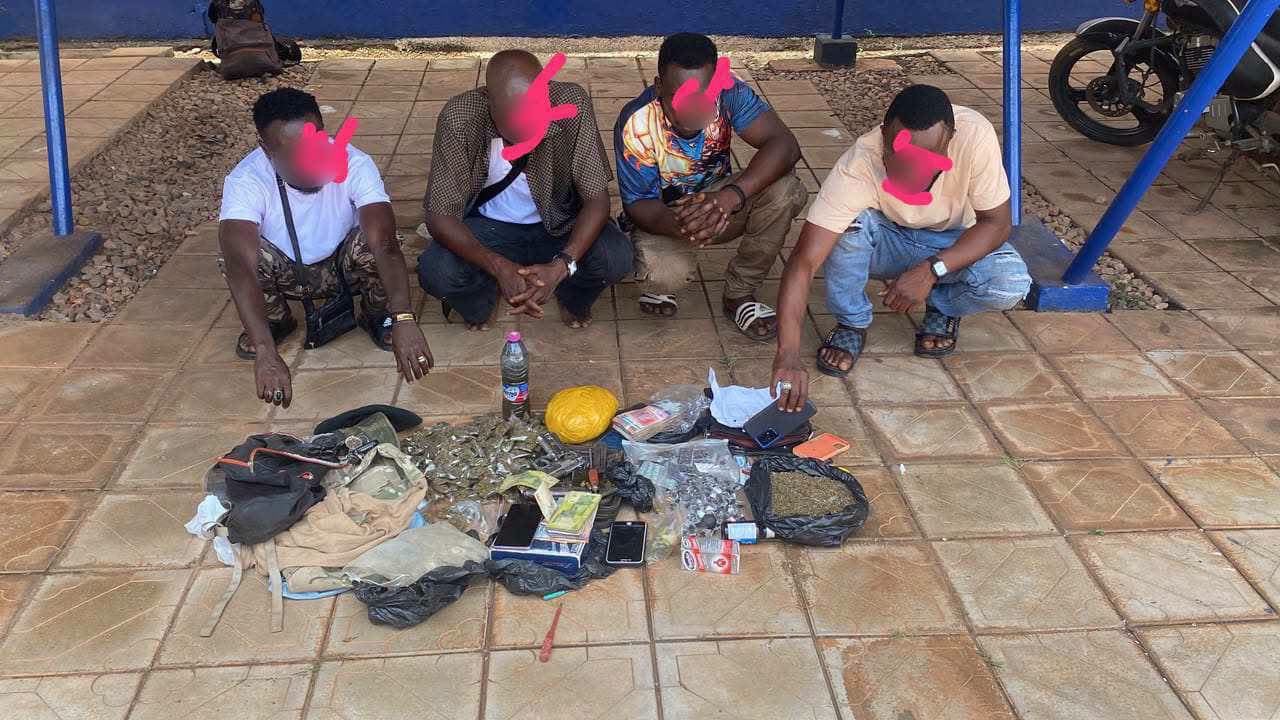
The Northern Regional Police Command has arrested five people during an operation at the Aboabo scraps area in Tamale, where two pistols, ammunition, suspected narcotics and cash were recovered.
The operation was carried out on Monday, September 21, 2026, at about 11:30 a.m. by the Special Operations Team, known as RED MARIA, as part of efforts to clamp down on drug peddling, drug use and other criminal activities in the Tamale Metropolis.
According to the police, the team acted on credible information and proceeded to the Aboabo scraps area, near the forest, where they arrested five suspects.
They were identified as Ibrahim Issahaku, 39; Mohammed John, 28; Mohammed Nawas, 25; Mohammed Osman Awal, 41; and Kwame Boateng, 28.
The police said a search at the residence of Ibrahim Issahaku led to the recovery of two foreign made pistols, two rounds of 9mm ammunition, one parcel of suspected Indian hemp and GH¢1,880 in cash.
The police also found GH¢18,825 concealed inside the motorcycle of Kwame Boateng at the ghetto. The money is suspected to be proceeds from the sale of narcotic drugs.
Other items recovered included 123 wraps of suspected Indian hemp, 12 sachets of 1mg Rohypnol, seven sachets of 250mg Tramadol, 111 wraps of suspected ashes and three motorbikes.
In a statement issued on Tuesday, September 22, 2026, the Northern Regional Police Commander, DCOP Wisdom Lavoe, said the suspects and the exhibits had been handed over to the Regional Drug Law Enforcement Unit for further investigation and the necessary action.
He added that the Regional Command would continue to conduct intelligence led operations to disrupt drug related activities and other criminal activities in the region.
By: Jacob Aggrey

 Entertainment1 week ago
Rhythms On Da Runway returns November 28 with 16th edition themed ‘Unbound’
- News1 week ago
48 Engineer Regiment to be major sub-contractor on Accra-Kumasi Expressway, $2bn ready- Prez Mahama
- Entertainment1 week ago
Ohemaa Mercy’s Tehillah Experience outfit was priestly regalia, not costume – Management clarifies