News
A comprehensive analysis of the multifaceted beauty of women

Throughout human history, art, philosophy, and literature have continuously sought to capture the essence of female beauty.
Yet, true beauty extends far beyond physical appearance. The most profound dimensions of women encompassing strength, emotional depth, intellectual brilliance, nurturing leadership, and creative resilience-form a magnificent mosaic that enriches the human experience.
To examine the beautiful side of women is to look at a harmonious blend of biology, character, intellect, and spirit that sustains families, drives communities, and inspires culture.
1. Emotional depth and relational intelligence
One of the most remarkable aspects of women is their profound emotional intelligence and capacity for deep connection.
Empathy as a superpower: Women frequently demonstrate an extraordinary ability to attune to the emotional climates of those around them. This deep empathy allows them to bridge divides, offer profound comfort during times of grief, and foster safe spaces for vulnerability and healing.
The art of resilience: Throughout history, women have navigated immense societal and personal challenges. Their emotional resilience-the ability to face hardship, absorb stress, and emerge with a renewed commitment to life-is a testament to inner fortitude. This resilience is not merely about enduring pain; it is about transforming adversity into wisdom, grace, and strength.
2. Intellectual brilliance and innovation
Intellect is a core pillar of female beauty and capability. Across every scientific, technological, artistic, and philosophical domain, women have fundamentally shaped the modern world.
Pioneering discovery: From mathematics and medicine to literature and quantum physics, women have broken barriers to advance human knowledge. Their analytical rigor, paired with intuitive problem-solving, brings unique perspectives to complex global challenges.
Visionary leadership: In governance, business, and grassroots activism, women bring collaborative leadership styles that prioritise community welfare, long-term sustainability, and inclusive progress. This holistic approach to leadership demonstrates that brilliance is deeply intertwined with empathy and foresight.
3. Creativity, culture, and expression
Human culture would be unimaginably muted without the artistic and creative contributions of women.
Weaving the tapestry of tradition and art: Whether through intricate textile arts—such as the painstaking creation of monumental installations using tattered materials and delicate glass seed beads-or through literature, music, and dance, women transform raw materials into profound expressions of identity and history.
Preserving narrative and heritage: As cultural anchors, women have historically passed down oral traditions, ancestral wisdom, and moral frameworks across generations. This preservation of heritage ensures that communities retain their roots while navigating an ever-changing world.
4. Nurturing strength and community building
At the heart of social cohesion lies the nurturing power inherent in many women. This is not a passive trait, but an active, foundational force that builds communities.
Unconditional love and support: Whether expressed through motherhood, mentorship, or deep friendship, the ability to love, guide, and champion others allows human beings to thrive. Mentorship provided by women often launches new generations of leaders, thinkers, and creators.
The “Tend-and-Befriend” Spirit: Evolutionary psychology highlights the innate female capacity to build resilient social networks under stress. By prioritising cooperation, mutual support, and collective well-being, women create safety nets that sustain societies through their darkest hours.
Conclusion
The beauty of women is a dynamic, living force that transcends superficial definitions. It is found in the courage of daily perseverance, the brilliance of intellectual discovery, the warmth of deep empathy, and the transformative power of creativity. By honoring these multifaceted dimensions, we recognise that the true beauty of women is a cornerstone of human dignity, progress, and grace.
By Robert Ekow Grimmond-Thompson







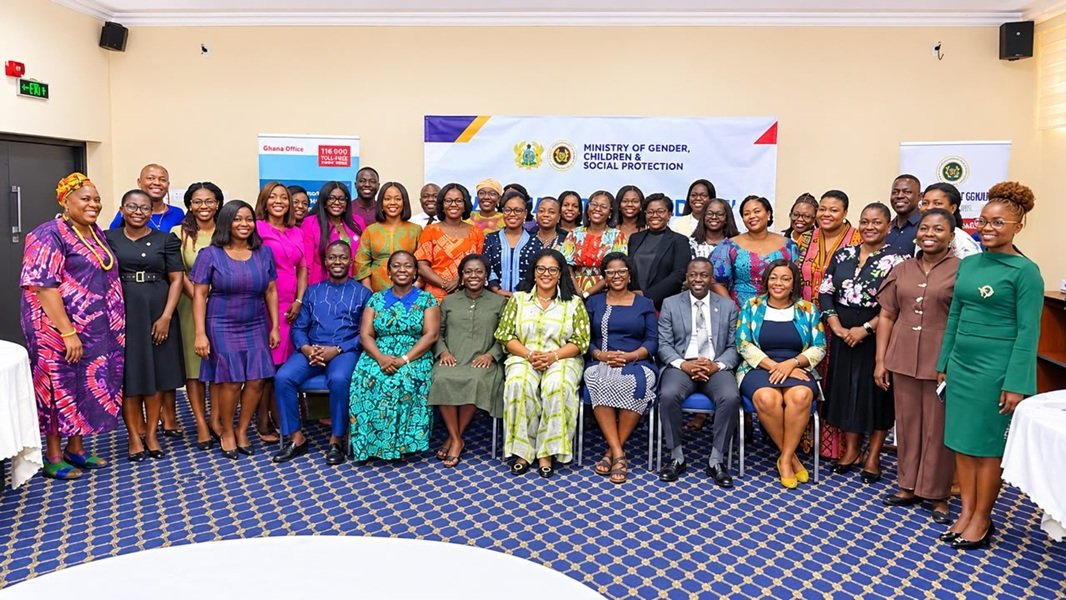
Ghana has moved from Tier 2 to Tier 1 in the United States’ human trafficking ranking, the Ministry of Gender, Children and Social Protection has disclosed.
The announcement was made during a national stakeholders’ workshop held on Tuesday to review the outcomes of the 70th session of the United Nations Commission on the Status of Women (CSW70) and prepare Ghana for CSW71 in March 2027.
“Ghana has consistently worked on protection and prosecution, and also strengthened measures to address trafficking and support survivors,” the sector minister, Dr Agnes Naa Momo Lartey, said when she opened the workshop.
Held under the theme, ‘From Commitment to Action: Translating the CSW70 Outcomes and Accelerating Ghana’s Progress towards CSW71,’ the workshop brought together government institutions, development partners, civil society organisations, academia, and women and youth groups.
The broader message was that legal and policy gains must translate into accessible services and measurable improvements in the lives of women and girls.
“Our discussions must also recognise the different experiences of women and girls, particularly those with disabilities, women in rural communities, older women, young women and survivors of violence,” she said.
“Their experiences must inform the policies and institutional responses intended to protect them,” she added.
Dr Lartey highlighted the Domestic Violence Act, Human Trafficking Act, Children’s Act, Affirmative Action Act and Social Protection Act as key legal frameworks for protecting vulnerable people.
She also cited the National Gender Policy 2025–2034, the Orange Support Centre, legal aid services and community-based interventions as important foundations for improving access to justice.
The minister acknowledged that some families encouraged survivors to resolve cases privately to avoid perceived shame, thereby preventing formal justice processes from taking their course.
Presenting Ghana’s progress, Mrs Vera Karikari Baidoo, Director of the Gender Equity Committee Secretariat of the Ministry, described the country’s movement in the United States Department of State’s Trafficking in Persons ranking as a significant achievement.
She attributed the progress to sustained efforts in victim protection and the prosecution of offenders.
However, Mrs Baidoo identified persistent challenges, including limited awareness of legal rights, financial constraints and social pressure that discourages survivors from reporting abuse.
Addressing these barriers, she said, would require stronger coordination among justice, health, education, social welfare and local government institutions, alongside affordable services in underserved communities.
She further called for improved data collection and gender-responsive budgeting to ensure that resources address the different needs of women, men, girls and boys.
Looking ahead to CSW71, Dr Lartey said Ghana’s position must reflect implementation experiences and the voices of those most affected by poverty, environmental challenges and exclusion.
“Our nation’s position must be grounded in evidence, implementation, experiences and the voices of women and girls,” she stated.
Editorial note: The article has been reformatted, with paragraph breaks, spelling, punctuation and minor grammatical corrections. The original reporting and quotations have been retained. The photograph caption can be placed below the accompanying image.
By Vanessa Elizabeth Nkum
SKIP THE QUEUE, TAP THE NEWS

You can now read the Ghanaian Times and The Spectator newspapers from the comfort of your device via TimesNewsPlus.
Join our WhatsApp Channel: https://whatsapp.com/channel/0029VbBElzjInlqHhl1aTU27
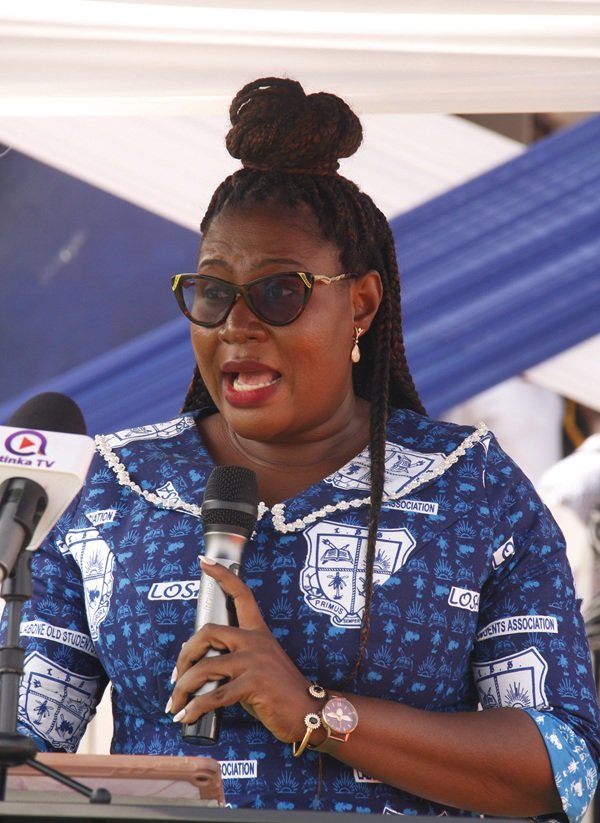
Dr Rachael Hansen-Garshong, an Industrial Psychologist, has urged parents not to rush to solve every problem for their children.
Instead, she called for gradual nurturing to enable the children to learn to be independent and become disciplined thinkers.
She gave the admonition at the 56th Speech and Prize-giving Day ceremony of Labone Senior High School, held in Accra on Saturday.
It was held on the theme: “Raising disciplined problem solvers: The role of parents and teachers.”
According to her, it was important for parents to allow children to face age-appropriate challenges while providing guidance and emotional support.
She said although parents naturally wanted to protect their children, removing every obstacle could deny them opportunities to develop confidence, exercise judgment and learn from mistakes.
“This does not mean abandoning them to figure everything alone. It means guiding them while allowing them to develop confidence and independence,” she said.
Dr Hansen-Garshong, a member of the Labone Old Students Association (LOSA), said responsible parenting required more than meeting children’s material needs, adding that “It also demanded emotional support, boundaries, accountability and opportunities for independent decision-making.”
She urged parents to model the values they expected from their children, noting that their conduct in handling disagreements, treating others and responding to challenges provided powerful lessons.
Parents, she added, must listen to their children’s concerns and ask questions that encouraged reflection, creativity and responsibility rather than merely issuing instructions.
Dr Hansen-Garshong explained that discipline goes beyond punishment and obedience to include managing time, regulating behaviour and pursuing long-term goals despite inconvenience.
She urged teachers to move beyond surface learning and help students question, analyse and apply knowledge, while recognising talents in music, sports, creativity and other pursuits.
A 2007 graduate of the school, she recalled sometimes walking about five kilometres to attend classes as a day student.
Returning as a lecturer, researcher and PhD holder, she encouraged students not to allow difficult beginnings to define their futures.
She also urged them to explore extracurricular activities, recalling how learning the flute at school had developed her patience, concentration and perseverance.
The Headmistress of the school, Mrs Rejoice Akua Acorlor, also called for stronger cooperation between parents and teachers to raise responsible, disciplined and innovative young people.
Education, she said, must extend beyond examination success to instil integrity, resilience, critical thinking and sound moral values.
Mrs Acorlor appealed for infrastructure support, reporting that enrolment had increased by approximately 60 per cent since 2022, bringing the student population to 4,433. Read More.
By Vanessa Elizabeth Nkum
SKIP THE QUEUE, TAP THE NEWS
You can now read the Ghanaian Times and The Spectator newspapers from the comfort of your device via TimesNewsPlus.
Join our WhatsApp Channel: https://whatsapp.com/channel/0029VbBElzjInlqHhl1aTU27

 News1 week ago
Fiifi Boafo questions Health Minister over Korle-Bu patient who paid GH¢77,561 but had no bed
- News7 days ago
Council of State member calls for investment in cultural heritage preservation
- News1 week ago
Côte d’Ivoire introduces mandatory online registration for travellers from African countries