Editorial
Let’s prevent a disaster in Mempeasem

Dear Editor,
I’m writing to bring attention to a disturbing situation in Mempeasem, a suburb of East Legon in the Ayawaso West municipality of Accra.
A recent field study by some of my colleagues and I undertaking a “Disaster risk science” course from the University of Ghana’s Geography and Resource Development department uncovered several hazards in the community that could turn into full-blown disasters if not addressed.
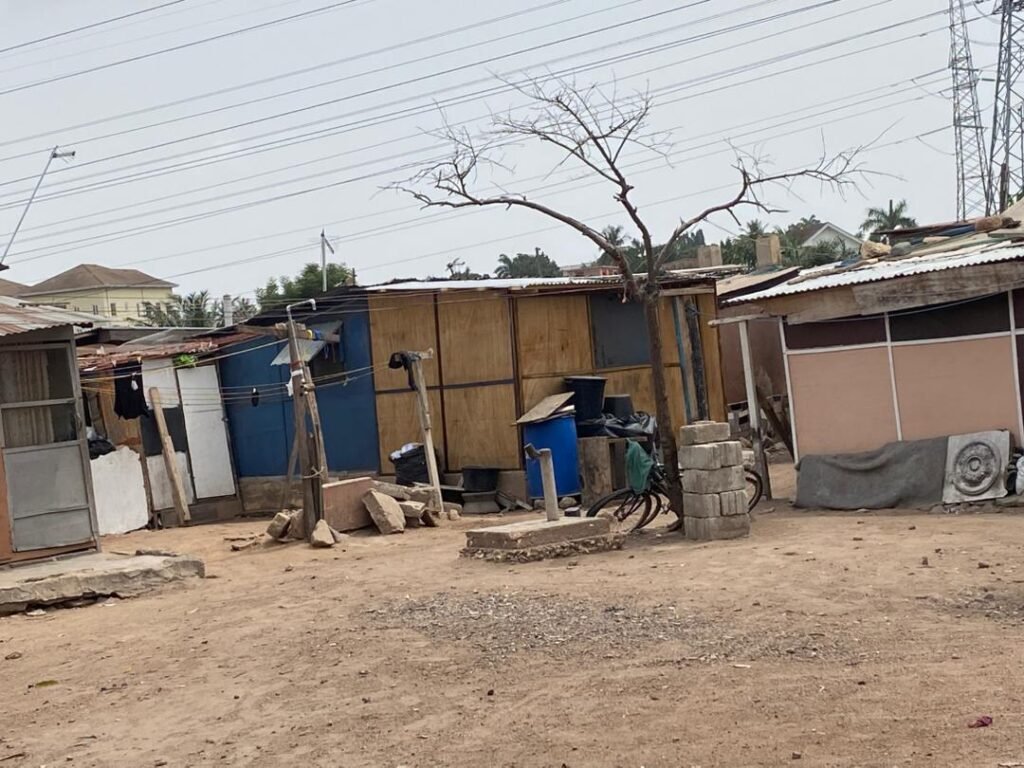
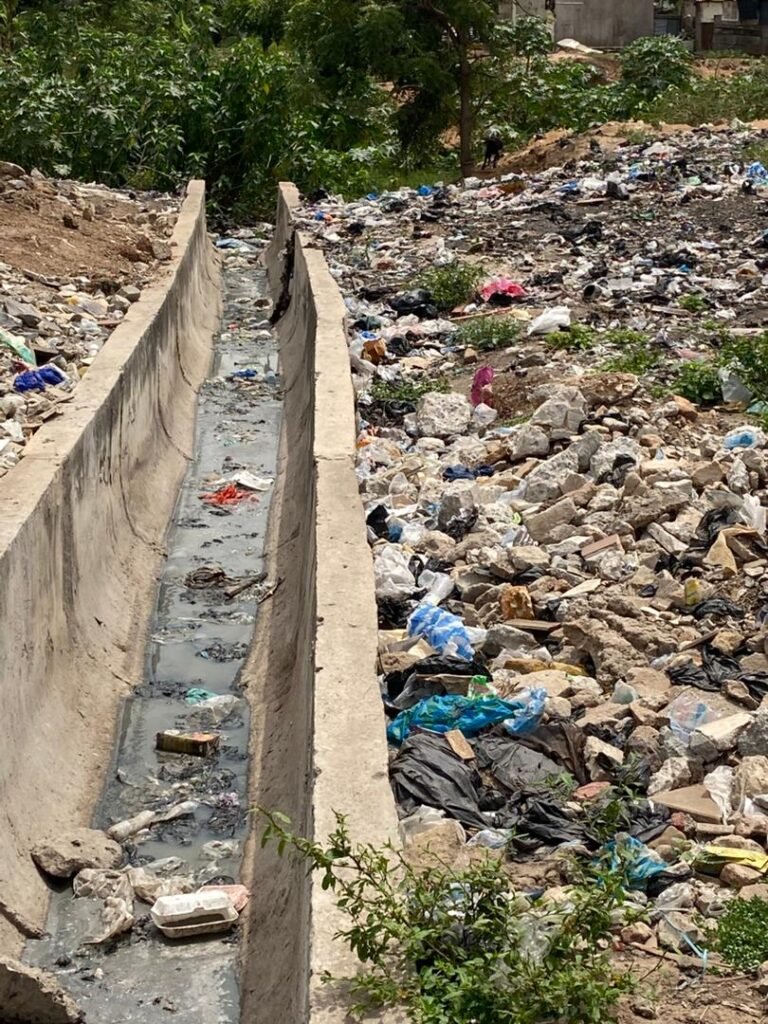
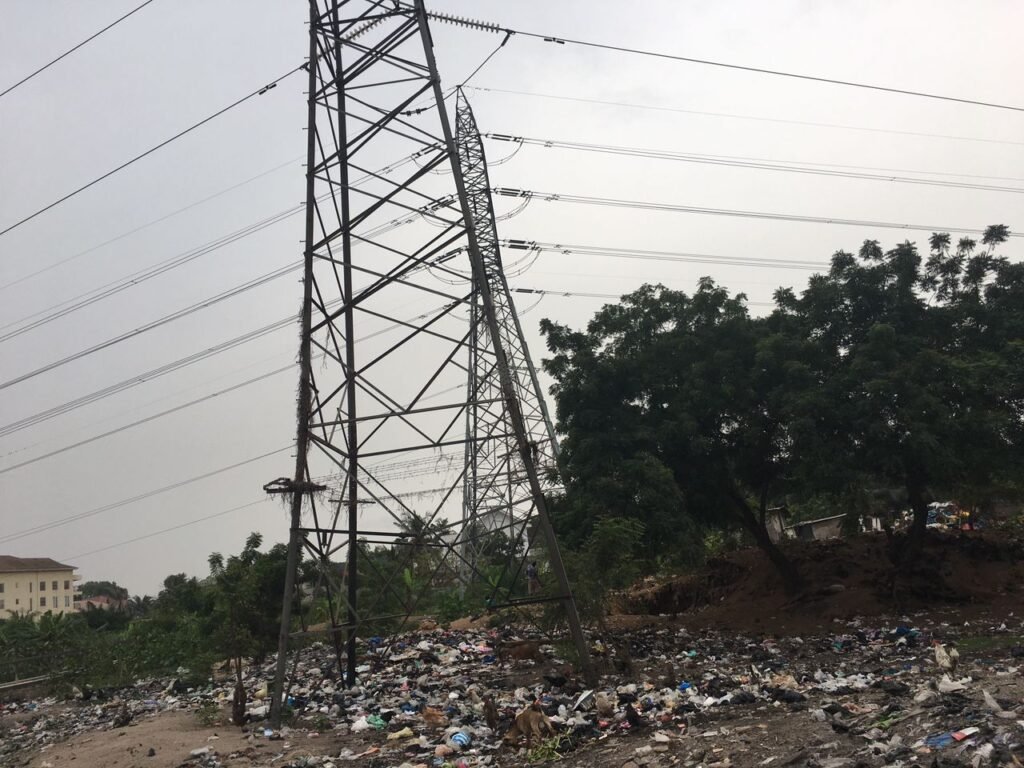
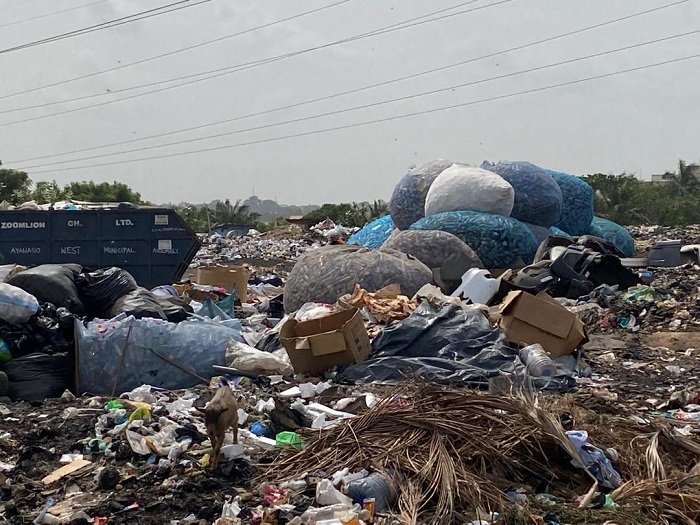
The community faces risks like choked gutters causing floods, closely packed wooden houses that could fuel massive fires, open waste dumps breeding diseases, and unsafe waste burning near electrical poles.
These are ticking time bombs.
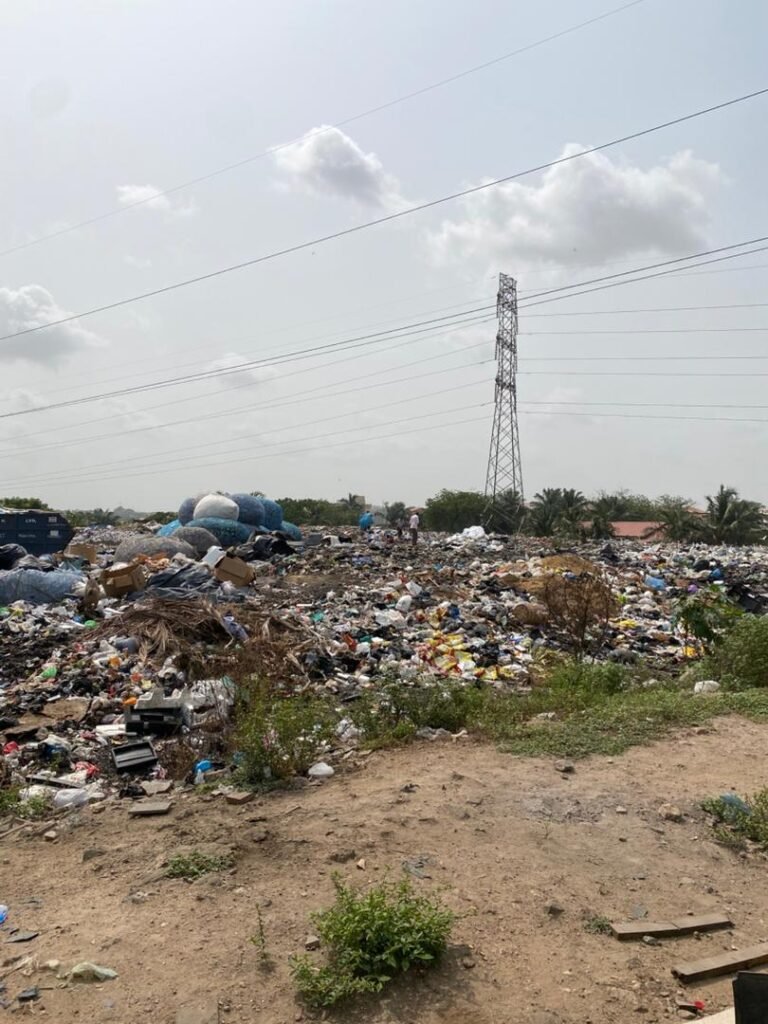
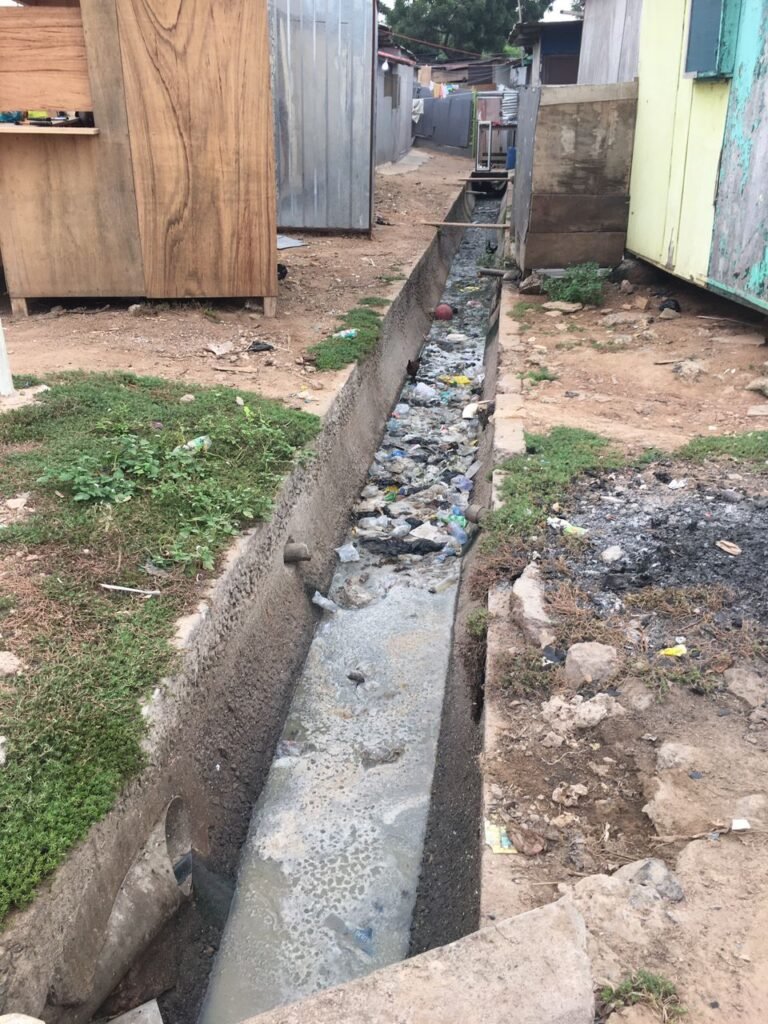
The hazards identified are not just minor issues but potential catalysts for major catastrophes.
Choked gutters and poor drainage systems can lead to flooding, contaminating water sources and exposing residents to waterborne diseases.
The prevalence of wooden structures in close proximity increases the risk of rapid fire spread, putting lives and properties at risk.
Open refuse dumps and dirty gutters near residential areas are breeding grounds for pests and diseases like cholera and malaria.
The practice of burning waste near electrical poles and transformers also poses a significant fire hazard and possible electrical explosions.
The root causes of these hazards are poor urban planning, weak law enforcement, and economic struggles forcing people into unsafe living conditions.
Mempeasem’s growth has outpaced infrastructure development, leading to haphazard settlements and inadequate waste management.
Weak enforcement of building codes and sanitation laws has allowed these unsafe conditions to persist. Many residents, struggling to afford safer alternatives, are unknowingly increasing their vulnerability to disasters.
To mitigate these risks, authorities must act urgently. Building codes and waste management laws should be enforced strictly. The Municipal Assembly should collaborate with NGOs to educate residents on proper waste disposal and disaster prevention.
Drainage and sanitation infrastructure need improvement to prevent flooding and disease outbreaks.
Food vendors and bakers should be relocated from high-risk areas to designated zones with proper facilities. Community education on disaster risks is also crucial to foster a culture of prevention.
Let’s prevent a disaster in Mempeasem. The authorities, residents, and stakeholders must work together to address these hazards. The time to act is now – let’s ensure Mempeasem doesn’t become Accra’s next disaster hotspot.
Theresa Dzifa Tsetse
University of Ghana