News
Dawadawa makes a comeback …Savannah spice redefining Ghanaian cooking

Once overshadowed by bouillon cubes and synthetic seasonings, Dawadawa the aromatic, fermented seed of the African locust bean tree is staging a flavourful return to Ghanaian kitchens.
Once seen as old-fashioned, it is now gaining recognition as a superfood, appreciated not only for its rich, umami depth but also for its health benefits.
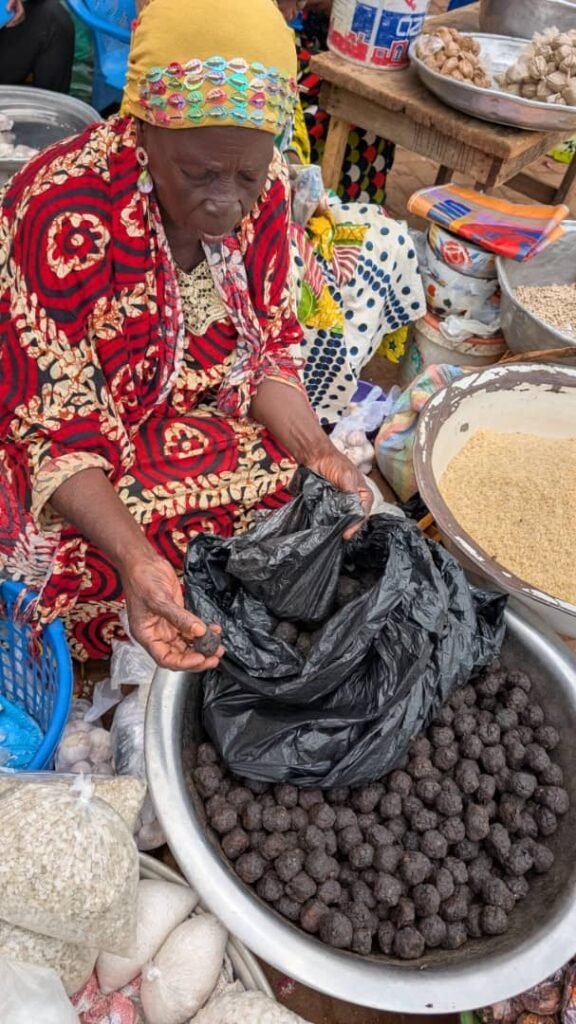

At the Aboabo market in Tamale, Hajia Fati, a vendor who has been selling Dawadawa for over 16 years, has noticed the shift.
“These days, more people come asking for it not just for soup and stew, but even for jollof,” she said, proudly pointing to her handwoven basket filled with the brown, pungent balls of fermented seeds.
Known across West Africa as iru or ogiri, Dawadawa is produced by boiling, fermenting, and drying the seeds of the Parkia biglobosa tree. Its distinct earthy aroma and flavour were once a staple in traditional cooking. Now, health-conscious cooks are reviving it as a natural alternative to artificial additives.

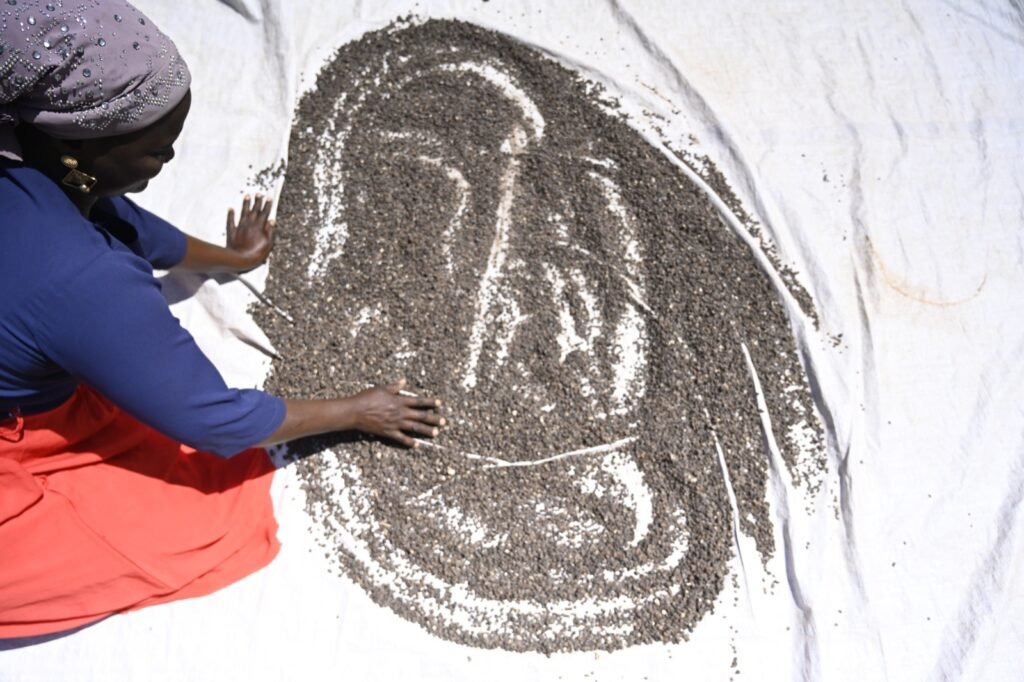
Madam Esther Boateng, owner of Estjoy Eatery & Supermarket, told The Spectator that changing consumer habits are driving this comeback.
“People are reading food labels now. They’re more aware of what goes into their bodies,” she explained. “Dawadawa is rich in natural protein, calcium, antioxidants, and prebiotics. It helps with digestion, regulates blood pressure, and boosts the immune system.”
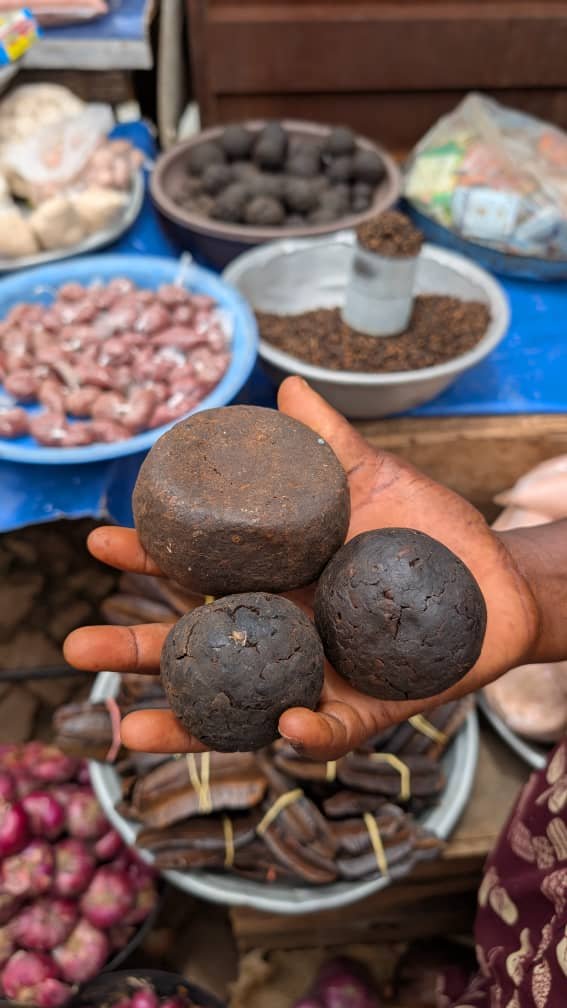

In a twist on Ghana’s beloved rice dish, Dawadawa paste or powder is now being used in place of seasoning cubes, lending the jollof a deeper, more authentic flavor.
“The jollof tastes richer more Ghanaian,” said Madam Matilda, who runs a popular restaurant in Tamale. “Customers love it. They’re becoming more conscious of what they eat, and they’re coming back for more.”

Across social media, food bloggers and home chefs are sharing recipes featuring Dawadawa, pairing it with smoked fish, Kontomire, and even plant-based proteins.
In Accra, Kumasi, and even some UK shops, branded and hygienically packaged Dawadawa is now available-complete with expiry dates and nutritional labels.
“Before, it was just raw balls on trays,” Hajia Fati recalled. “Now, we label them and package them properly. People want clean, trustworthy local products.”
The revival is not just culinary; it’s cultural and economic. Women’s cooperatives in Northern Ghana are producing Dawadawa under improved sanitary conditions, creating jobs and preserving indigenous knowledge.
However, the Parkia biglobosa tree is under threat. It takes years to mature and is increasingly endangered due to bushfires, logging, and climate change. Conservationists warn that protecting this tree was key to ensuring the spice’s future.
As Ghana looks inward for healthier, homegrown ingredients, Dawadawa is proving it has more to offer than just taste. It is a symbol of sustainability, local innovation, and culinary pride.
From stews and soups to the growing trend of Dawadawa jollof, this humble seed is reclaiming its status not just as a seasoning, but as a cornerstone of a healthier, more authentic Ghanaian diet.
From Geoffrey Buta, Tamale