News
Unearthing Ghana’s hidden gem: The Mushroom Rock of Wuling

Deep in the heart of Jirapa in the Upper West Region lies a natural wonder that defies imagination.
The Mushroom Rock of Wuling, towering 2.2 metres into the sky, is a geological marvel; a rock pedestal sculpted over centuries by the forces of nature stands as a testament to the enduring power of time and the unyielding spirit of the land.
Yet, beneath its awe-inspiring silhouette lies a poignant tale of survival, spirituality, and a community grappling with stark realities.
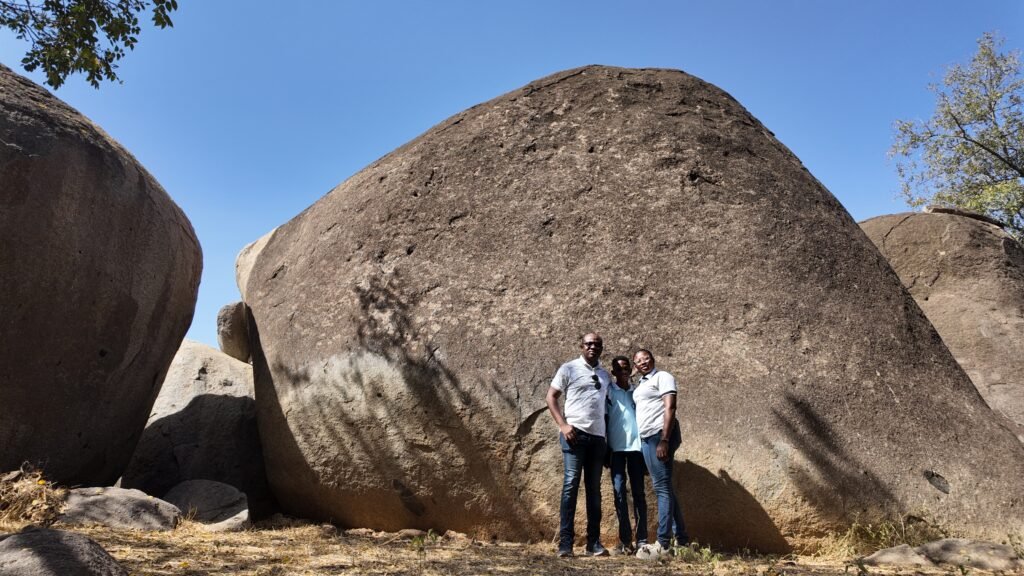

The Mushroom Rock’s distinctive shape – a large capstone balanced delicately on a slender stem, is a silent narrative of times of erosion and weathering.
But its story does not end with its geology surrounded by sacred caves. This natural monument carries the weight of history.
Aziz, a tour guide with the Royal Cosy Hotel and Safari Resort, recounts the role of the caves during the tumultuous 16th and 17th centuries.
“The caves served as sanctuaries for the people of Wuling during the slave raids of Samouri Touri and Babatu,” he explains. “They became places of resilience, offering refuge to those fleeing violence.”
Aziz added that, the caves remain steeped in mysticism. “The locals believe these caves are inhabited by spiritual entities, including dwarfs, and they’re considered sacred spaces for rituals and prayers.”
Visitors navigating the narrow, winding passageways feel an almost tangible connection to the past, adding an air of mystery to an already captivating experience.

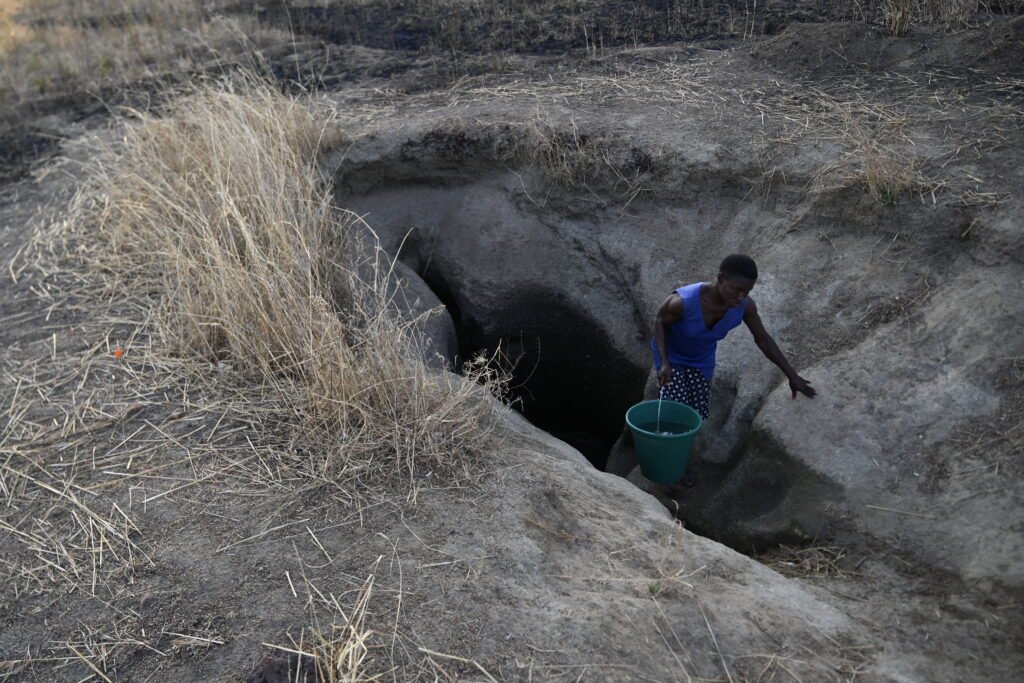
Despite its undeniable allure, life in Wuling is fraught with challenges.
Stephen, a young boy who visited the site, shares a sobering reality: some of the community relies on unsafe and contaminated water sources shared with animals. “It’s not just about tourism,” he says.
“We need clean water to live,” he lamented.
The Regent of Jirapa, Justice Donglabong Dinaa, said in an interview that the sentiment was a heartfelt appeal. “The Mushroom Rock is a treasure, but we are struggling,” he says. “Our people need clean water as much as we need tourism development.”
According to the regent, the lack of infrastructure further compounds the problem.
“The site has so much potential, but it lacks the basics to attract significant tourism. There are no guides to narrate its rich stories, no proper roads, and no facilities for visitors,” he laments.
Regent Donglabong Dinaa believes that with the right investments, the Mushroom Rock could become both a major tourist attraction and a vital source of income for the community.
“Tourism could be a lifeline for us,” he says. “With storytelling, infrastructure, and development, the Mushroom Rock can bring in visitors from around the world, creating jobs and transforming lives.”
While the Mushroom Rock stands as a testament to the beauty of Ghana’s natural heritage, it also symbolises the urgent need for action. Bridging the gap between its untapped potential and the community’s dire needs will require collaboration among government agencies, private stakeholders, and advocates for sustainable tourism.
By Geoffrey Buta, Jirapa