Features
Tomatoes glut but imports rise: A national policy failure

Every harvest season in northern Ghana witnesses tomato glut, a familiar and disturbing scene that is perennial. Vans loaded with fresh tomatoes queue along dusty roads. Piles of ripe tomatoes are left at the mercy of the weather. Farmers slash prices so low in desperation to avoid total loss. Banks loans fall due. Meanwhile, supermarkets’ shelves across the country are stocked with imported tomato pastes.


This contradiction is not as a result of farmer inefficiency. It is the outcome of a long-standing national policy failure.
Post-harvest loss in Ghana has reached an alarming level and the tomato glut exposes this crisis more clearly than almost any other crop. Studies on perishables suggest losses can be very high often tens of percent when transport, cold storage and processing are weak. Until Ghana invests in cold chain, processing, and import discipline, bumper harvests will keep bankrupting farmers while the country keeps importing paste.
These losses are not simply numbers; they shape real lives. When markets are overwhelmed, prices collapse, forcing farmers to sell at a loss or watch their produce spoil.
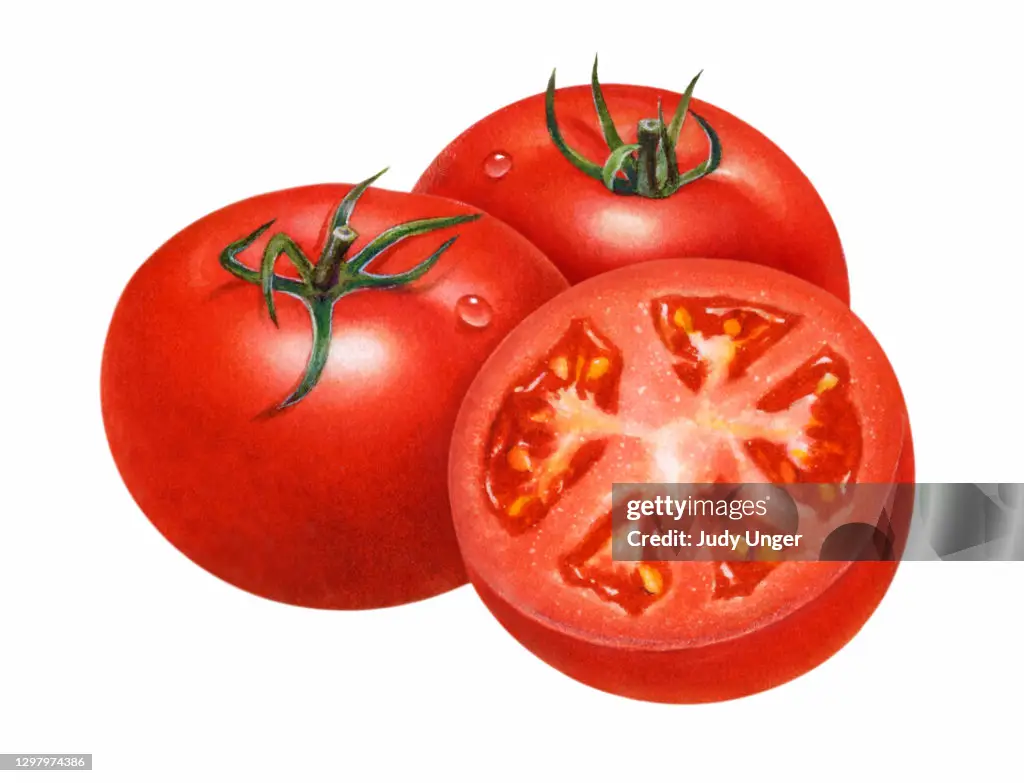

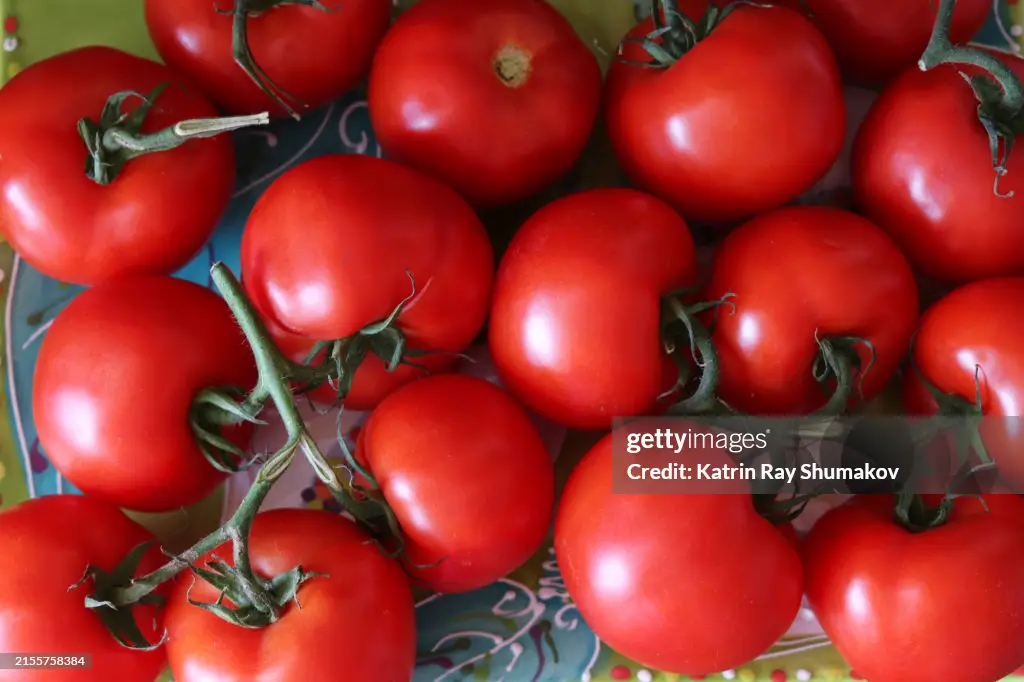

These losses translate into reduced incomes, heightened vulnerability, and limited economic opportunities for rural communities (World Bank, 2023). This phenomenon has caused job losses of farm hands and demotivation for potential farmers. Recently tomato gluts in Akomadan and its environs produce tonnes of tomatoes rotten due to poor food supply chain as discussed on Citi breakfast show in February 2026.
For example, in Navrongo, so much tomato is produced there but not processed. This was the reason Pwalugu Tomato Factory has been established to curb the problem but successive governments have failed to operationalise the tomato factory, yet we spend millions of dollars to import tomato paste.
Based on recent reports from the Chamber of Agribusiness Ghana (2026), this is a major paradox: while Ghana experiences tomato gluts during peak seasons, the country simultaneously loses approximately GH¢5.7 billion annually due to heavy reliance on import, poor post-harvest management and weak processing infrastructure (MoFA 2026).
This report should not be swept under the carpet. This is a wake-up call for governments to take pragmatic steps to resolve the issue.
It is fair to say that imports can stabilise prices in lean seasons. But uncontrolled imports during peak harvest collapse farmgate prices and discourage production. The answer is not permanent protectionism; it is rules-based import windows plus domestic processing capacity.
A Five-Point Action Plan to stop tomato gluts as seasonal drama
• MoFA and MMDAs must establish aggregation centres and packhouses at key producing nodes. This must be done within the next 12 months.
• Private sector and development finance should establish solar-backed cold rooms and transport pilots which must be completed within the next 24 months.
• MoTI and Customs should formulate rules-based seasonal import management to prevent harvest-time dumping as a matter of urgency possibly within the next 6 months.
• MoTI and investors must revive tomato processing factories and expand them and possibly build new ones which can enable Ghana export tomato paste instead of importing. This should be done within the next 36 months.
• GSS and MoFA should have a value-chain loss measurement dashboard to be published quarterly which should inform policy directives. This should be done within 12 months. Reducing tomato gluts is both achievable and urgent.
Better data is also essential. Ghana currently lacks a comprehensive, standardised measurement of food loss within specific value chains. Without reliable data, policy responses remain fragmented and reactive.
Integrating food loss indicators into national agricultural statistics would strengthen accountability and support progress toward Sustainable Development Goal 1, 2 and 3 which aims to halve food waste globally by 2030 (United Nations Environment Programme [UNEP], 2021).
The tomato value chain reveals a simple truth: food waste in Ghana is not inevitable. It is the result of policy choices, investment priorities, and governance gaps. Tomatoes rotting in northern Ghana while tomato paste is imported is not merely an economic contradiction; it is a national policy failure. This policy failure may lead to food safety and food security problems.
The paradox of allowing our bumper harvest of tomatoes to rot and yet import tomato paste must be stopped immediately.
By Dorcas Agyarko Anfobea