Profile
Prof. Nana Ama Browne Klutse: Ghana’s leading voice in environmental protection

PROF. Nana Ama Browne Klutse has emerged as one of Ghana’s most influential scientists in the field of climate research and environmental policy.
A distinguished physicist and climate scientist, she currently serves as the Chief Executive Officer of the Environmental Protection Authority (EPA) of Ghana, a role she assumed in January 2025 following her appointment by the President.
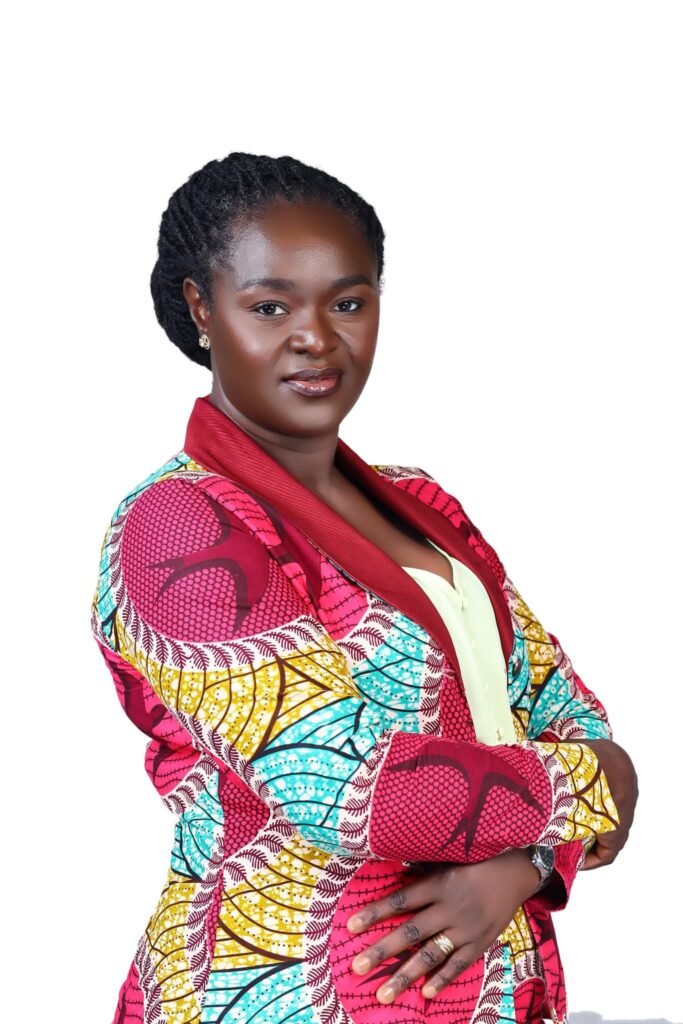

Her appointment places her at the helm of the nation’s foremost environmental regulatory body at a time when climate change and environmental sustainability have become critical issues for national development.
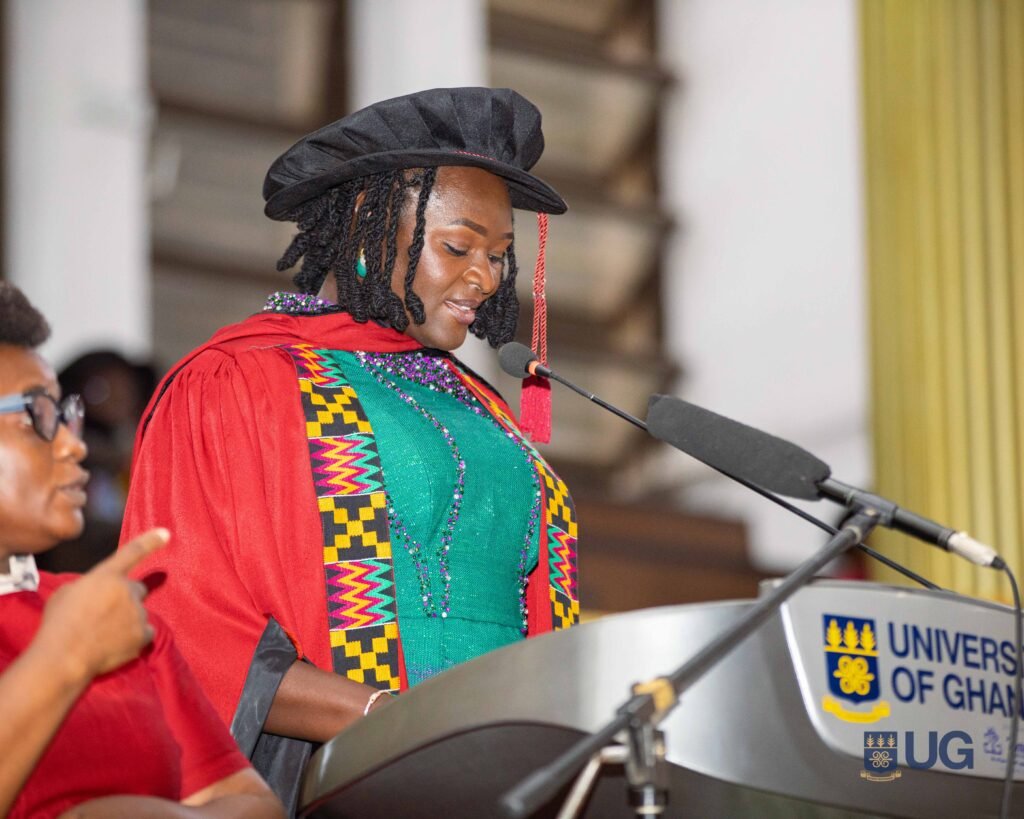
Before her current position, Prof. Klutse served as the Head of the Department of Physics at the University of Ghana from August 2023 to January 2025. Her leadership there was historic, as she became the first woman to occupy that position since the department was established.
In the same year, she achieved another remarkable milestone by becoming the first female full professor of Physics in Ghana and the first woman to attain that rank in the discipline at the University of Ghana in its 75-year history.

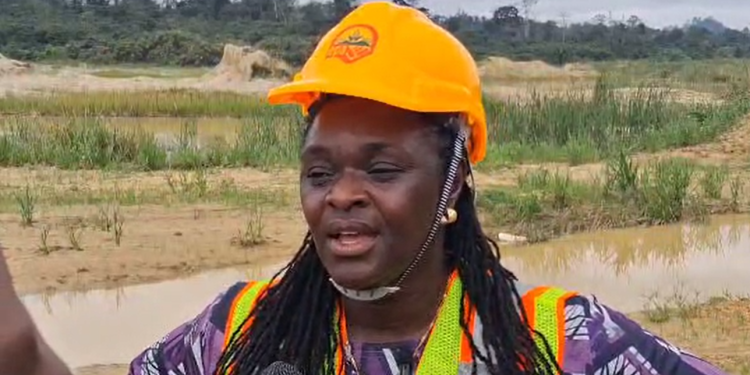
Beyond her national role, Prof. Klutse also commands global recognition in climate science. She currently serves as Vice-Chair of Working Group I of the Intergovernmental Panel on Climate Change (IPCC), the United Nations body responsible for assessing the science related to climate change. Through this role, she contributes to shaping global climate knowledge and policy, while ensuring that Africa’s perspectives and experiences are reflected in international climate assessments.
Earlier in her career, Prof. Klutse worked as a Senior Research Scientist at the Ghana Space Science and Technology Institute under the Ghana Atomic Energy Commission, where she managed the Remote Sensing and Climate Centre.
Her research expertise lies in climate modelling, climate variability and climate change impacts, particularly in Africa. Over the years, she has contributed significantly to research initiatives that seek to understand climate patterns and develop adaptation and mitigation strategies for vulnerable communities.
Born in Nyanfeku Ekroful in the Central Region, Prof. Klutse began her academic journey at Nyanfeku Ekroful Community Nursery School before continuing her education at Anomabu Methodist Primary and Junior High School.
She later attended Mfantsiman Girls’ Secondary School, where her interest in science began to flourish.
She pursued a degree in Physics at the University of Cape Coast before furthering her studies in climatology at the University of Cape Town in South Africa and the International Centre for Theoretical Physics in Italy.

These academic experiences helped shape her career in climate science and strengthened her commitment to addressing the environmental challenges confronting Africa.
Prof. Klutse’s research focuses on atmospheric physics and the ways in which climate change affects critical sectors such as agriculture, water resources and public health. Her work also explores climate variability, climate modelling and solar radiation management. Through these studies, she transforms historical and projected climate data into actionable information that can guide policy decisions and help communities prepare for climate-related risks.
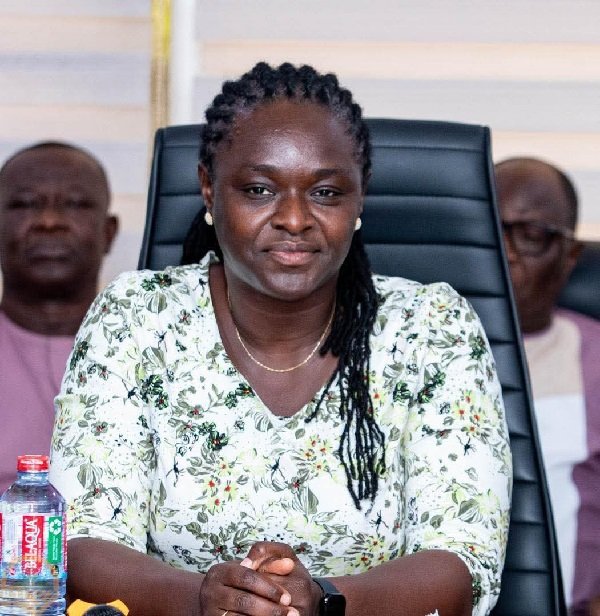

One of her recent research studies examined solar radiation management during the harmattan season and its possible impact on climate variability over southern West Africa. Her scholarly contributions have been widely recognised in the scientific community.
As of February 2025, she had published about 70 scholarly articles with more than 6,600 citations, highlighting the impact of her work on global climate research.
Nations Framework Convention on Climate Change and played a role in the development of Ghana’s National Framework for Climate Services.
In addition to her research achievements, Prof. Klutse is also a passionate educator.
At the University of Ghana, she teaches courses such as Electricity and Magnetism, Mechanics and Thermal Physics, Meteorology, Climate Change and Society, Climate Change Modelling and Research Methods. She is affiliated with both the Department of Physics and the Centre for Climate Change and Sustainability Studies.
Earlier in her academic career, she taught courses including Satellite and Radar Meteorology, Cloud Physics and Atmospheric Physics at the University of Cape Coast.
Her academic influence also extends beyond Ghana. She has served as a guest lecturer at the West African Science Service Centre on Climate Change and Adapted Land Use (WASCAL) and at the African Institute for Mathematical Sciences, where she contributed to training the next generation of climate scientists across the African continent.
Prof. Klutse has also been actively involved in shaping Ghana’s climate policies. She contributed to the country’s Second, Third and Fourth National Communications to the United
Earlier, she collaborated with the United Nations Development Programme to develop early warning systems for floods and droughts in northern Ghana, helping to improve resilience to climate-related disasters.
Beyond her scientific and policy work, Prof. Klutse is committed to community engagement and mentoring young people, particularly girls interested in science. She actively promotes women’s participation in Science, Technology, Engineering and Mathematics (STEM) and encourages young Ghanaian girls to pursue careers in scientific fields.
Her dedication and achievements have earned her several international recognitions, including the Schlumberger Faculty for the Future Award, the DAAD In-Country/In-Region Award and the UNESCO Award on Basic Physics for Young Scientists.
Prof. Klutse is married to Dr Charles Kofi Klutse of the Ghana Atomic Energy Commission, and together they have three children.
Through her work in research, education and environmental governance, Prof. Nana Ama Browne Klutse continues to make remarkable contributions to science and national development, while inspiring a new generation of African scientists committed to tackling climate change and protecting the environment. —Source UG.edu.gh
Join our WhatsApp Channel now!
https://whatsapp.com/channel/0029VbBElzjInlqHhl1aTU27
