News
Pieli: Into the Wild, Why Traditional Hunting Still Thrives in Northern Ghana

At the break of dawn in the bushes of Tibornayiri a remote village just outside Tamale, a group of men, dressed in patched smocks with their trained dogs and armed with handmade guns and machetes, slip quietly into the savanna. Charms tied around their waists sway as they move. This is not a scene from a bygone era, it happens every dry season. The men are on pieli, a centuries old communal hunt deeply rooted in the culture of Northern Ghana.
For generations, pieli is seen beyond a quest for bushmeat, but rather a rite of passage, a survival strategy, and a spiritual exercise rolled into one. Elders speak of it as a dance between man and nature, a tradition carried out with reverence for the spirits of the land and the animals pursued.

Issifu Alhassan, a 58-year-old hunter from Savelugu, said “Pieli” is a Dagbani word from the Dagomba people in Northern Ghana that refers to a traditional communal hunting expedition. It is typically organised during the dry season and involves groups of men from a village or community coming together to hunt wild animals, not just for food, but also for spiritual, medicinal, and cultural purposes.
The practice often follows specific rituals and taboos, such as avoiding certain sacred areas or abstaining from hunting on specific days. Pieli is seen as both a practical means of survival and a symbolic act of unity, bravery, and ancestral connection.
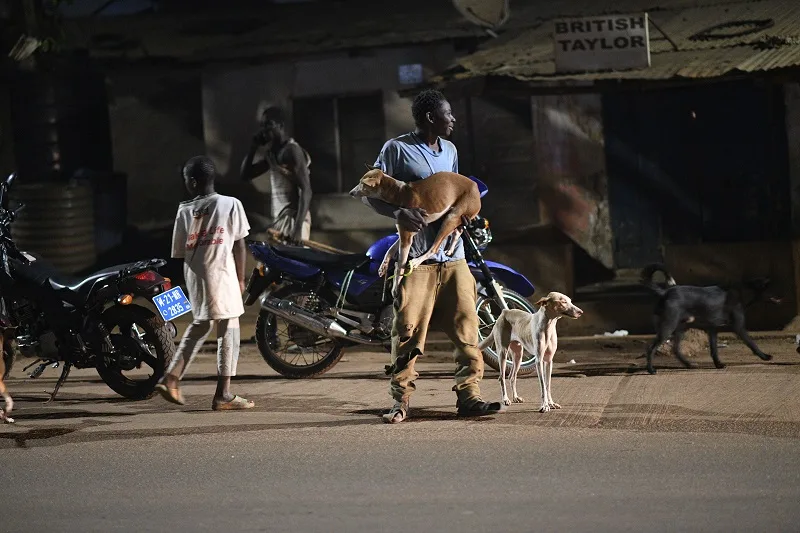

He said, they don’t hunt just to fill their pots, but rather for rituals, to heal the sick, and to honour the ancestors.
According to him, the hunt, which peaks between November and March, is carefully timed, the dry season strips the bush bare, making tracking easier.
“Hunters often consult lunar calendars and village elders before setting out, where in many communities, certain days are off-limits, and some groves remain sacred no hunting allowed,” he added.
Mohammed Zakaria, another seasoned hunter in an interview said, not all animals are meant to be killed, explaining that pregnant ones, are left unhunt and as well they don’t hunt near shrines, which is our way of keeping balance.
He revealed that, in the Tamale markets, bush meat once shared within families has become a commodity, which has led to rise in demand, especially during festivals, wild rabbit, bush rat, and antelope fetch high prices.
Alhassan revealed an interesting happening saying, they don’t see animals like how they used to due to degradation.
We now travel farther, using more aggressive methods, which have left us to break old rules of hunting, he said.
To curb overhunting, Ghana’s Wildlife Division enforces a “Closed Season” from August to December, banning hunting nationwide, but in the rural north, enforcement is a challenge.
Many hunters feel misunderstood. “They ban us without offering alternatives,” Zakaria says. “This is our way of life. How do we stop?”
Some communities are taking matters into their own hands, mixing modern conservation with traditional wisdom. Others call for education instead of punishment.
Mr Abdul Rahman, a conservationist working with a local NGO said, hunters should be seen as partners, in order to achieve the goal of the wildlife authorities, saying the hunters know the bush better than anyone.
With the right support, they can help protect it, he added.
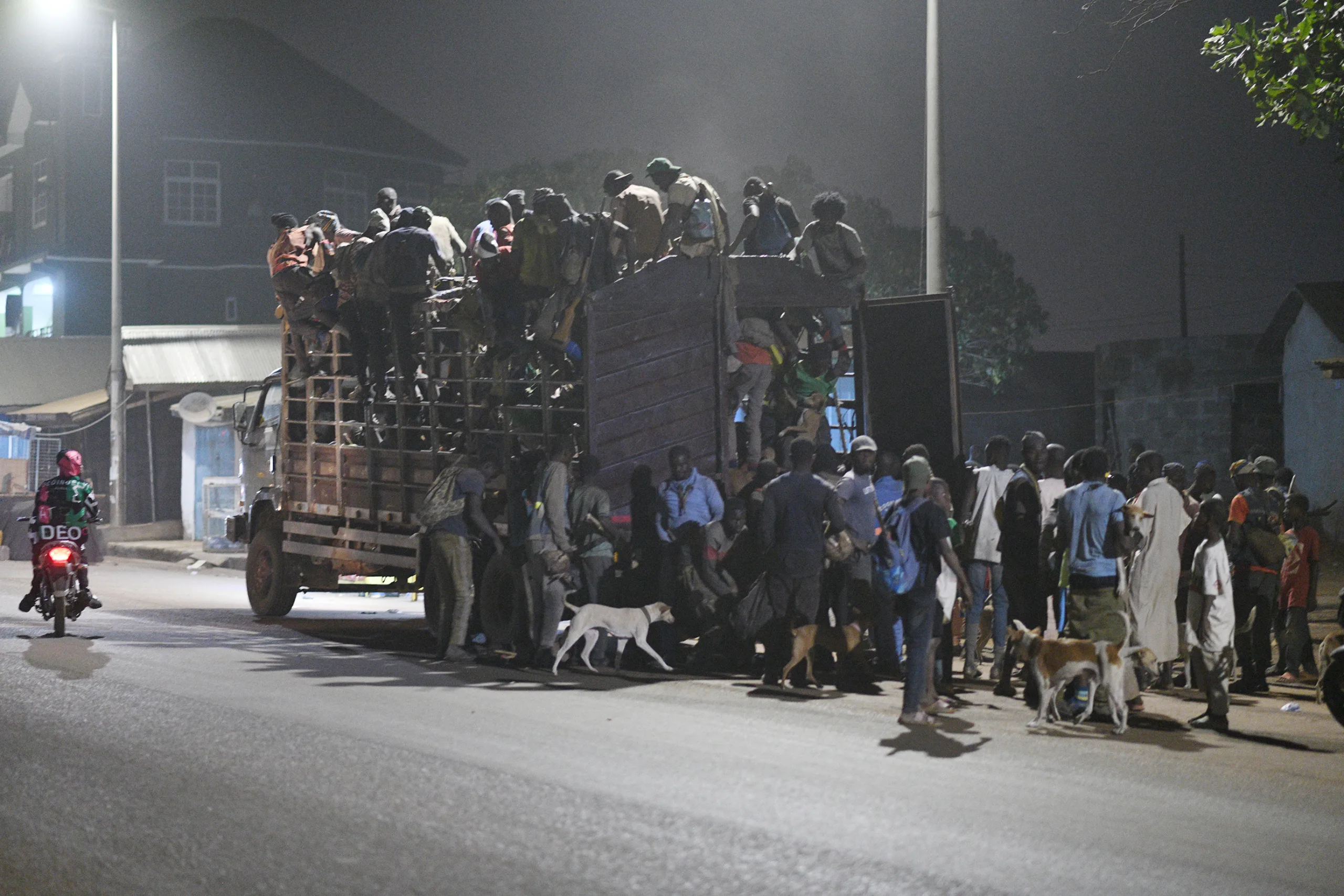
As the sun start settling lower revealing it beautiful silhouette, the hunters return from the bush in trucks full of hunters with their dogs, tired, quiet, and reverent.
Their catch is modest, a grasscutter, a hare, and a few guinea fowl. Not a bounty, but enough for supper.
For now, pieli endures, not just as a hunt, but as a bond between generations
By Geoffrey Buta