Profile
Inside Nima: Faith, culture, life in Accra’s vibrant community

Long before Accra fully wakes, Nima is already alive. From dawn, the call to prayer rises across the community as worshippers move quietly through narrow streets toward nearby mosques. Not far away, market women arrange tomatoes, onions, pepper, and smoked fish on wooden tables, while vendors prepare warm bowls of Hausa koko for workers starting their day early.
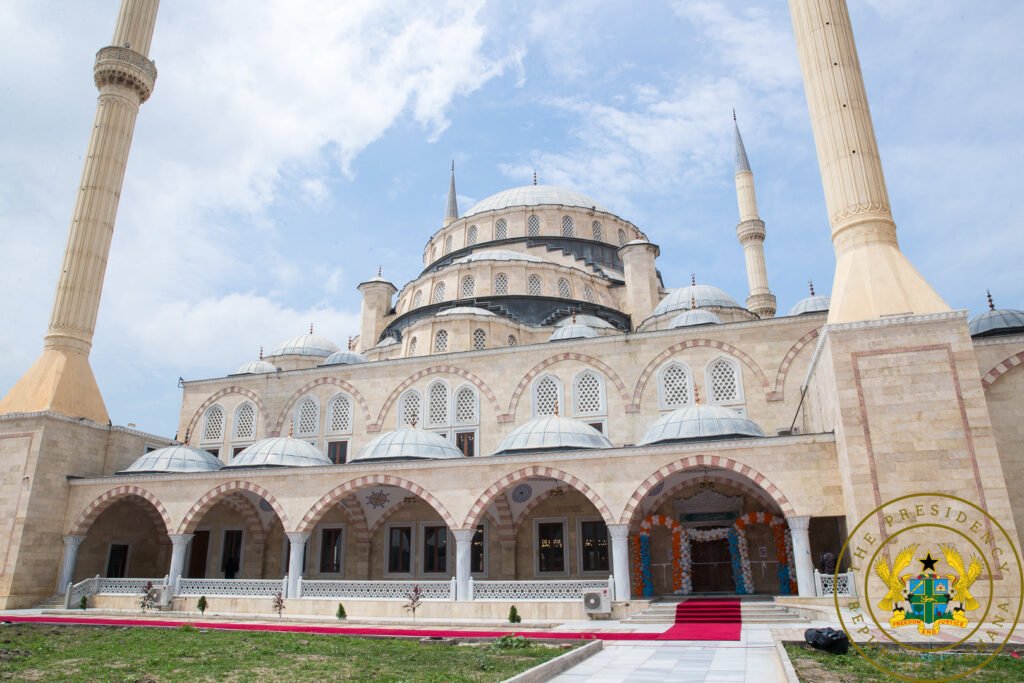

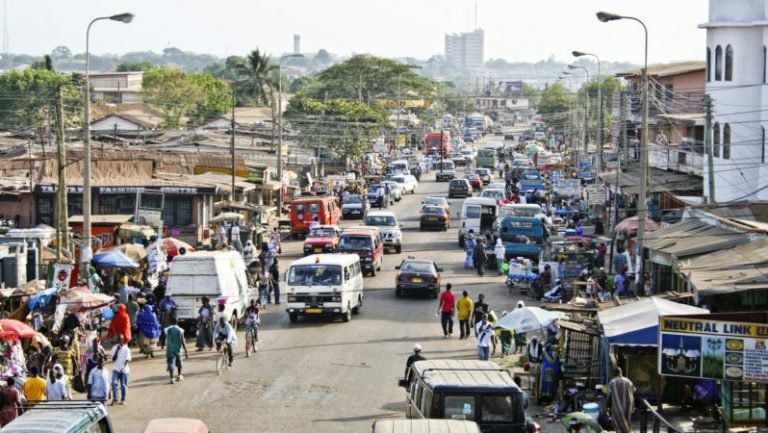
This is Nima, one of Accra’s oldest, busiest, and most culturally vibrant communities.
For residents, Nima is more than a place. It is identity, family, struggle, faith, and survival woven tightly into everyday life. It is a community where life is shared and survival is collective.
Nima traces its roots to the colonial era, when migrants from northern Ghana and neighbouring West African countries settled in Accra in search of work and opportunity. Many arrived with little, but over time built a strong and closely knit community shaped by hard work, faith, and mutual support.
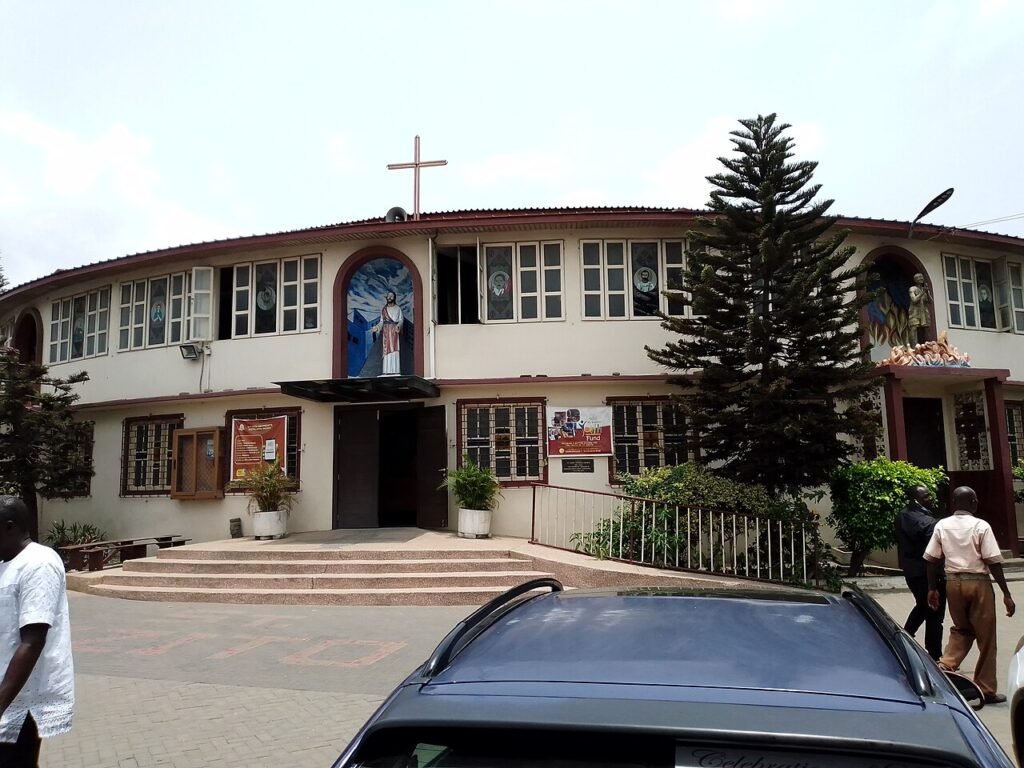
The origin of the name Nima is widely debated. Some link it to the Ga language, where “Nii” refers to a king and “mann” to a city, loosely interpreted as “city of the king.” Others trace it to the Arabic word “Ni’ma,” meaning “blessings,” reflecting the community’s strong Islamic influence.
Regardless of its origin, Nima remains one of Ghana’s largest and oldest Zongo communities, with roots stretching back to the 19th century.
By Esinam Jemima Kuatsinu