News
How rural Ghana is quietly embracing digital lifestyle

Not too long ago, almost every home in rural Ghana had one familiar piece of furniture that brought the entire family together to watch the bulky ‘box television.’
It was more than an electronic appliance. It was where families watched Black Stars matches, boxing fights, Independence Day parades, election results, Sunday movies and evening news together.

It created memories that many still cherish today.
However, a quiet transformation is taking place.
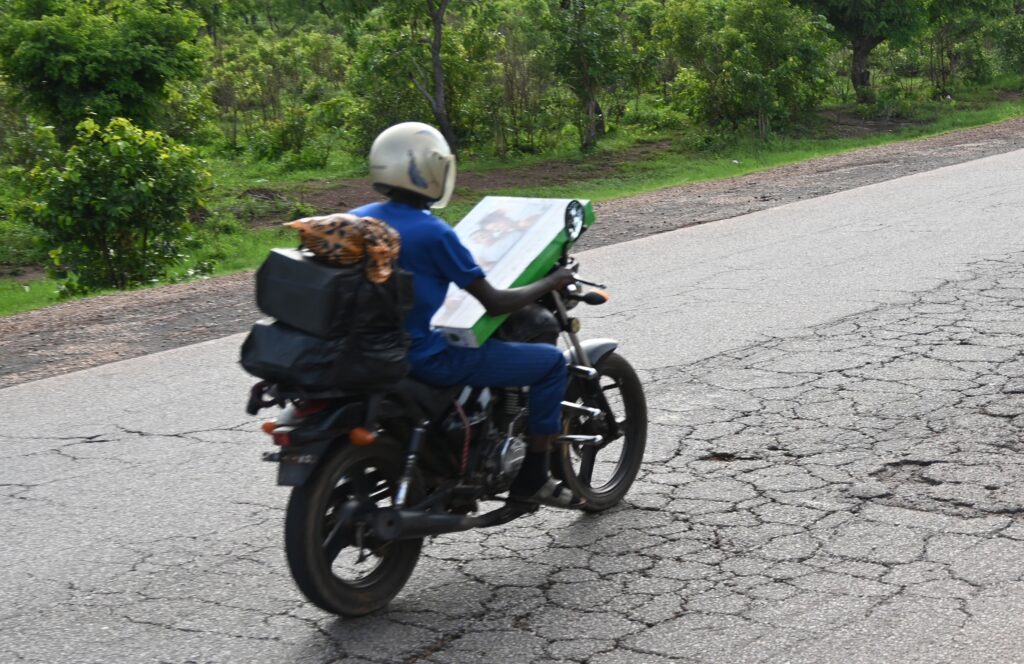
Across villages and small towns, the once-popular box televisions are gradually disappearing, replaced by slim flat-screen televisions that are changing the way families access information, education and entertainment.
For many households, owning a flat-screen television is no longer considered a luxury but a sign of changing times and improving living standards.
Several residents say modern televisions offer clearer pictures, consume less electricity and occupy less space, making them attractive to families looking to upgrade their homes.
Parents also appreciate the educational opportunities they provide, with children now able to watch documentaries, science programmes, educational channels and news from around the world.
“Television has become another classroom,” remarked one teacher, explaining that many pupils now discuss programmes they watched at home during classroom lessons.
The shift is also changing the fortunes of local electronics repair technicians.
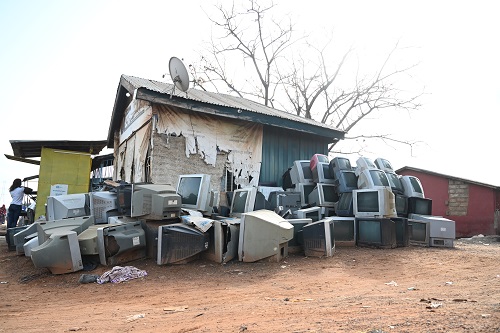

For years, repairing box televisions provided steady income for artisans in many communities. Today, however, repair shops receive fewer of the old television sets as more households choose to replace them with newer models instead of repairing ageing equipment.
While some technicians have adapted by learning to repair flat-screen televisions, others say the transition has required them to acquire new skills and equipment to remain in business.
The increasing replacement of older televisions has also created another challenge.
In many communities, obsolete box televisions are now stored in bedrooms, left on verandas or abandoned on family compounds because owners are unsure how to dispose of them safely.
Although these old sets may no longer serve their original purpose, many families are reluctant to part with them because they carry sentimental value and memories of years spent together.
Beyond entertainment, the growing popularity of modern television reflects broader changes taking place across rural Ghana.
Improved access to electricity, expanding digital television services and the increasing availability of affordable consumer electronics are helping bridge the information gap between rural and urban communities.
Families now have easier access to educational programmes, agricultural information, health campaigns, business news and current affairs from across the country and beyond.
Community leaders believe these developments are gradually transforming the way rural people learn, communicate and interact with the wider world.
As more households embrace modern technology, there is also growing recognition of the need to find practical ways of managing obsolete electronic devices to keep communities clean while protecting the environment.
For many older residents, however, the familiar box television will always hold a special place in their hearts.
It reminds them of simpler times when the entire family gathered around one screen, sharing laughter, excitement and unforgettable national moments.
The television may have changed, but one tradition remains unchanged—the joy of families coming together at the end of the day.
That, perhaps is the real story behind Ghana’s quiet digital revolution.
By Geoffrey Buta