Fashion
Afro: A Crown of History and Pride

In the bustling streets of Accra, braided crowns, coiled Afros, and beaded locks are more than fashion statements. They are living testaments to heritage, resilience, and identity.
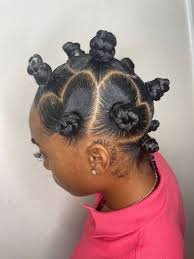
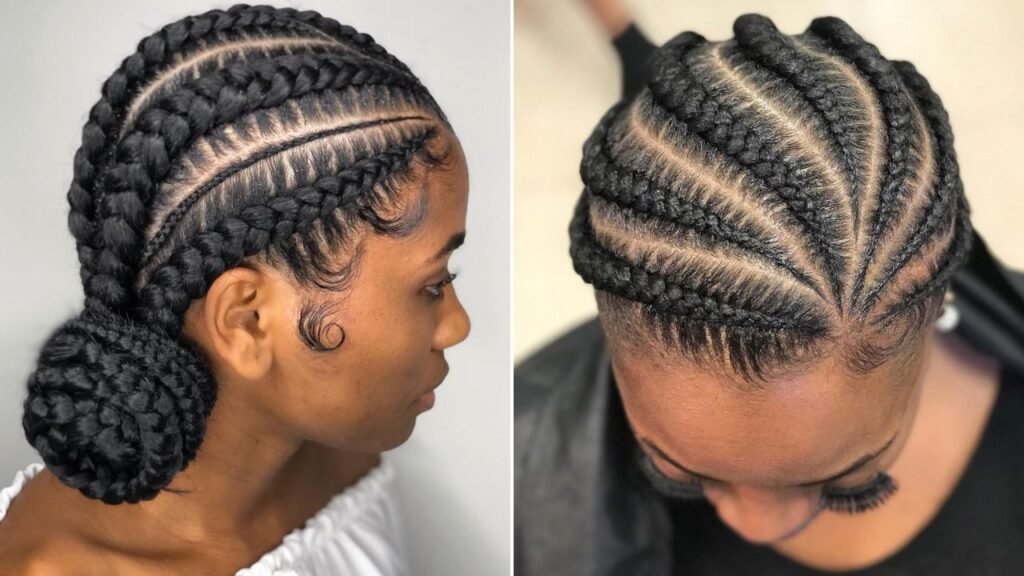
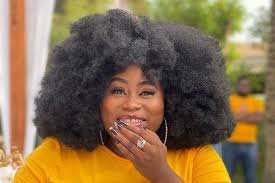
The Afro, which rose to prominence in the 1960s and 70s, was more than a hairstyle. It became a symbol of defiance against Eurocentric beauty standards and a proud declaration of Black identity.
But the story of African hair stretches back centuries. Ancient carvings from Egypt depict intricate braids and cornrows, styles that carried messages of social status, age, and even spirituality. Across West Africa, beads and cowrie shells were woven into hair, turning each head into a canvas of culture and artistry.
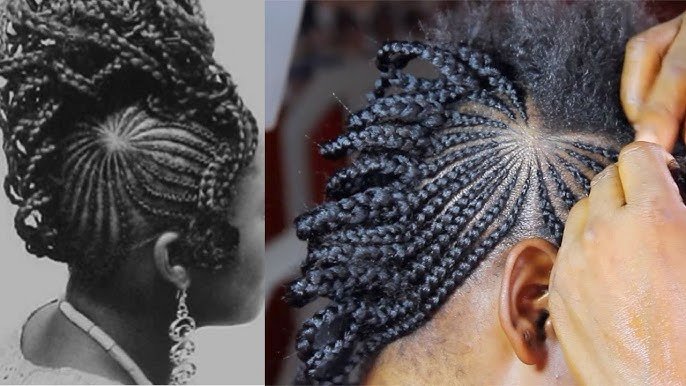
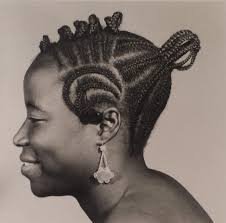
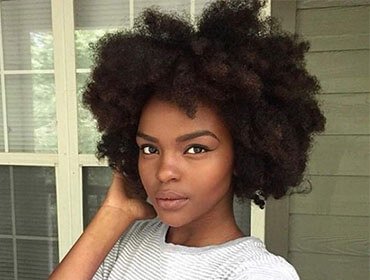
“Hair was never just hair,” says cultural historian Ama Ofori. “It was a language, a way of telling the world who you were and where you came from.”
Colonial rule attempted to suppress these traditions, branding natural hair as ‘unruly.’ Yet, generations later, the revival of the Afro and traditional styles has reclaimed that narrative. Today, braids, twists, and Afros are celebrated on runways, in music videos, and on city streets worldwide.
For many young Africans, embracing natural hair is both a fashion choice and a way of honouring ancestors while shaping modern identity. “When I wear my Afro,” says student and stylist Efua Mensah, “I feel connected to history. It’s not just style, it’s strength.”
As the global fashion industry increasingly embraces African-inspired looks, the Afro reminds us that beauty is not only about trends. It is about heritage, pride, and the stories carried in every strand.
By Beatrice Wornovi
Join our WhatsApp Channel now!
https://whatsapp.com/channel/0029VbBElzjInlqHhl1aTU27

