News
Thousands bid farewell at 3-day Adua for Late Yaa Naa

The forecourt of the Gbewaa Palace, was a mixture of rich tradition and emotional scenes as thousands of mourners concluded the three-day adua for the late Overlord of Dagbon, Ndan Yaa Naa Abukari II.
For the period, the Gbewaa Palace became the spiritual and cultural heartbeat of the Dagbon Kingdom as Islamic clerics, traditional rulers, politicians, security personnel and ordinary citizens united in prayer for the repose of the soul of the revered monarch.

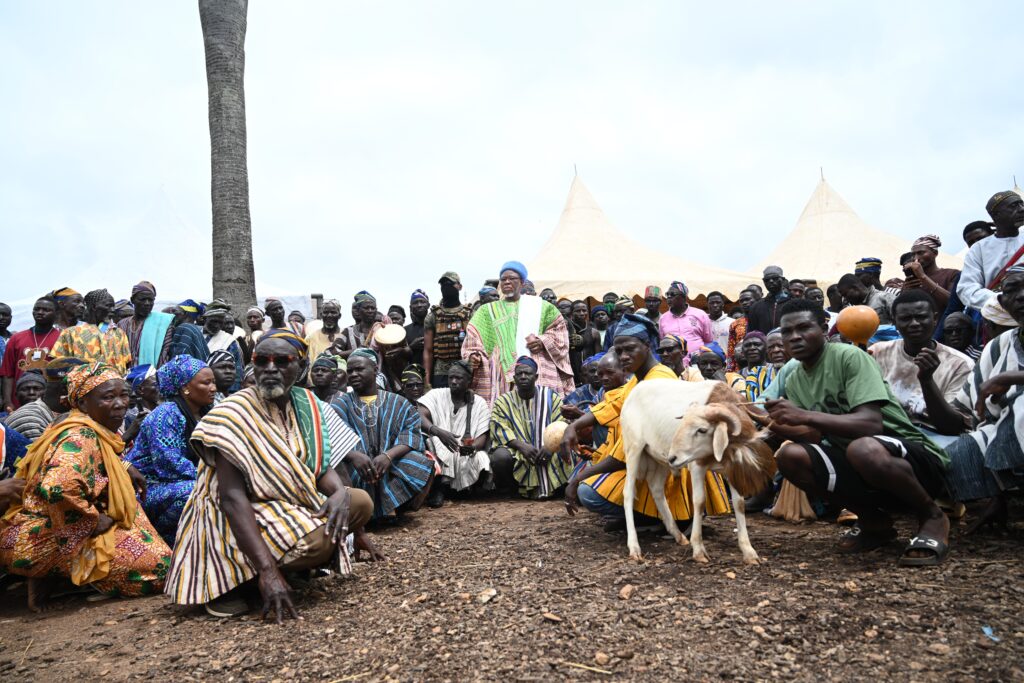
From dawn each day, streams of mourners, mostly dressed in traditional smocks and black attire, steadily filled the palace grounds and adjoining streets, transforming the royal seat into a sea of mourners.
Men, women, youth and children sat under canopies and open spaces while verses from the Holy Qur’an echoed across the palace, creating an atmosphere of reverence and reflection.
The air occasionally reverberated with ceremonial gunshots and traditional warrior displays, symbolising honour, bravery and the rich cultural heritage of the Dagbon Kingdom.
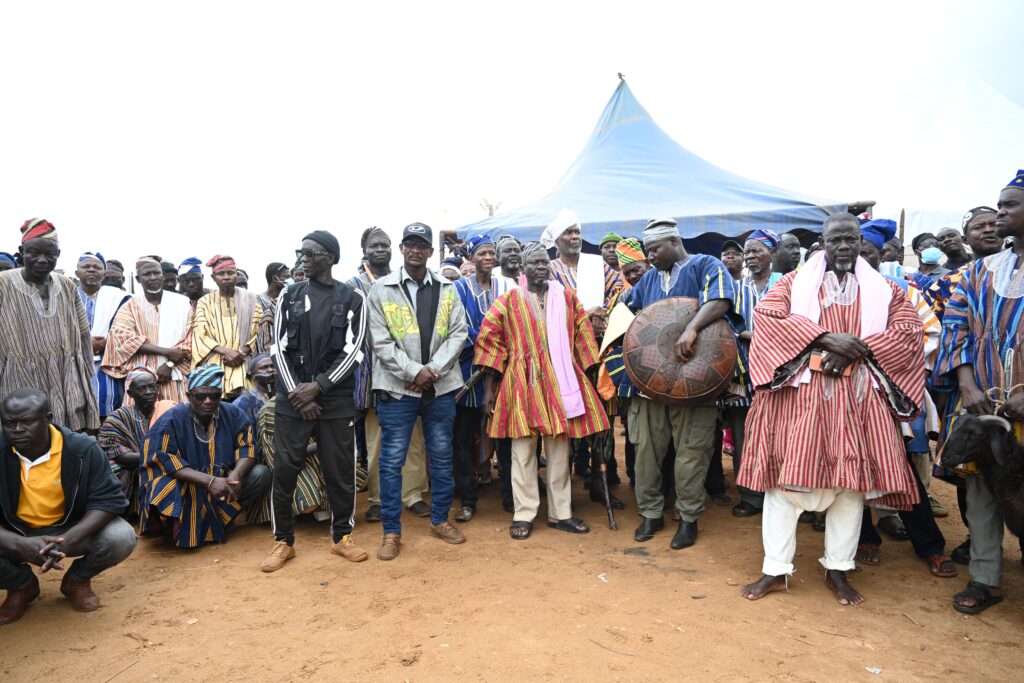
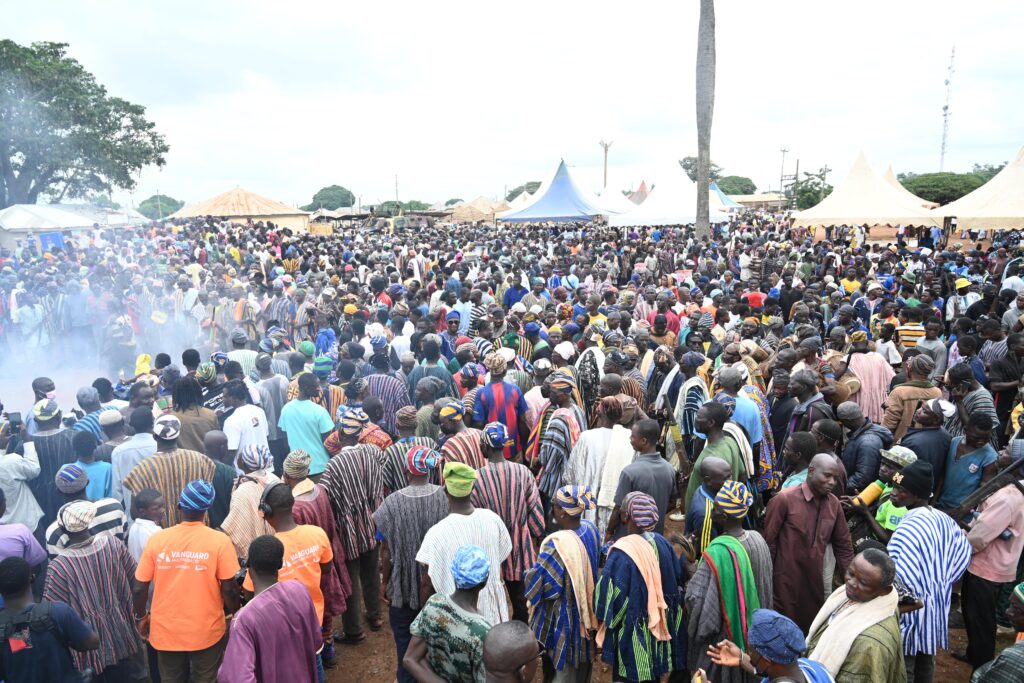
The adua, observed in accordance with Islamic tradition following the burial of the Yaa Naa, was attended by eminent Imams and Mallams who offered continuous prayers, seeking Allah’s mercy and eternal peace for the departed King.
Throughout the three-day observance, a steady flow of dignitaries visited the Gbewaa Palace to pay their respects and sign the book of condolence.
Among them were the Northern Regional Minister, Ali Adolf John Mburidiba; the Savannah Regional Minister, Salisu Be-Awuribe Issifu; and the National Chairman of the National Democratic Congress (NDC), Johnson Asiedu Nketia, who joined members of the royal family, traditional rulers and mourners in honouring the late Yaa Naa.


Security remained tight throughout the mourning period, with the Ghana Police Service deploying 450 personnel to ensure law and order.
The officers were stationed at strategic locations, including the Gbewaa Palace, major entry points into Yendi and other key installations, where they managed traffic, maintained public order and provided security for thousands of mourners and visiting dignitaries.
Beyond the official ceremonies, the event reflected the deep respect the people of Dagbon and Ghanaians at large had for the late monarch.
The conclusion of the three-day adua marks another important milestone in the funeral rites of the late Yaa Naa and signals the gradual transition towards the customary processes leading to the selection and enskinment of a new Overlord of the Dagbon Kingdom.
Although the formal three-day prayers have ended, mourning activities continue, with the seventh-day Islamic prayers expected to draw another large gathering of traditional authorities, government officials, religious leaders and well-wishers from across the country.
From: Geoffrey Buta, Yendi