News
Shea fruit: Savanah’s overlooked edible treasure


Every year between May and August, Northern Ghana comes alive with the shea season.
While most people know the shea tree for its butter used in cooking, cosmetics, and traditional medicine, few outside the region have tasted its fruit fresh from the branch.
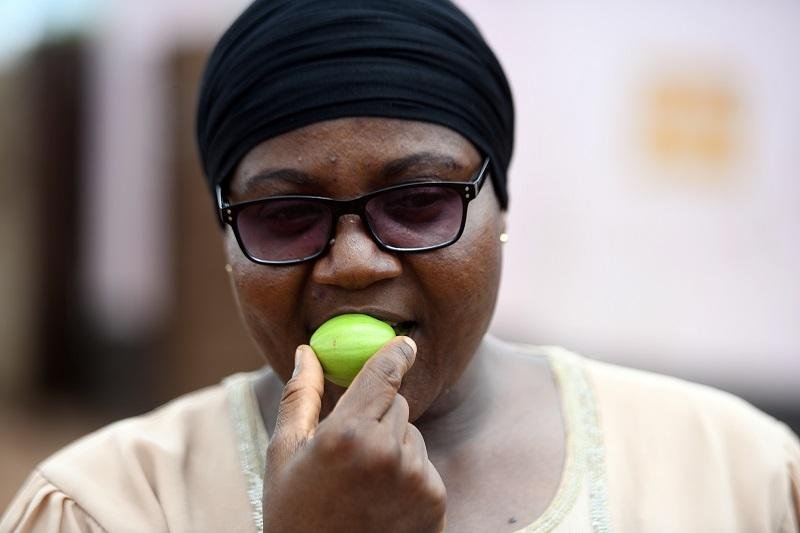

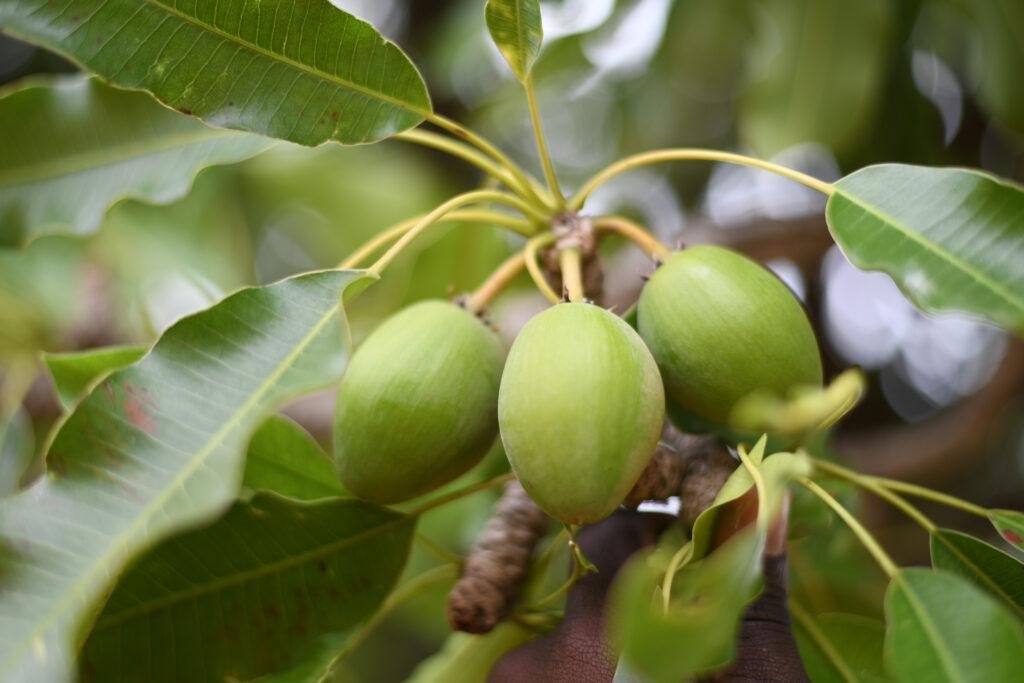
The shea fruit is small, oval, and green when unripe. It turns yellowish when ready to eat. Beneath the thin skin lies a sweet, creamy pulp with a flavour often described as a cross between mango and avocado.
The taste is subtle but refreshing, and for many in the north, it is a seasonal delight that marks the beginning of the rains.
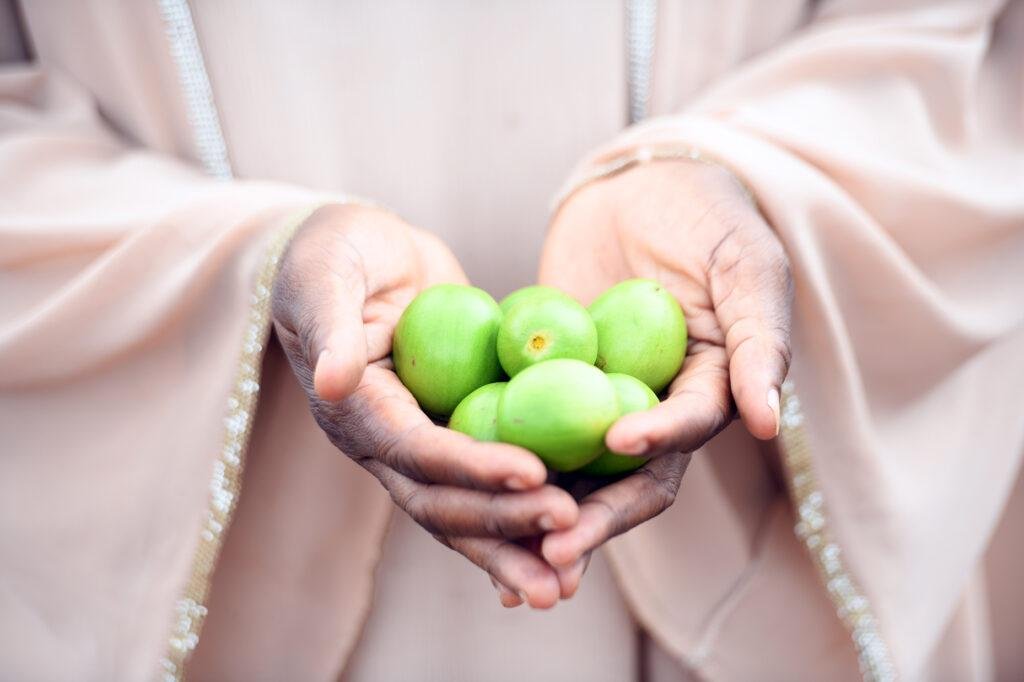

In rural communities, children are the first to take advantage of the bounty. At dawn, they collect fallen fruits under the trees, eating them on the way to school. Farmers, too keep a few in their pockets to snack on during long hours on the fields.
For older folks, the shea fruit brings back memories of childhood breakfasts and the joy of sharing food that cannot be stored or sold for long.
For others, the fruit is a seasonal business opportunity. Women and children often gather the fallen fruits and sell them in small bowls at local markets.

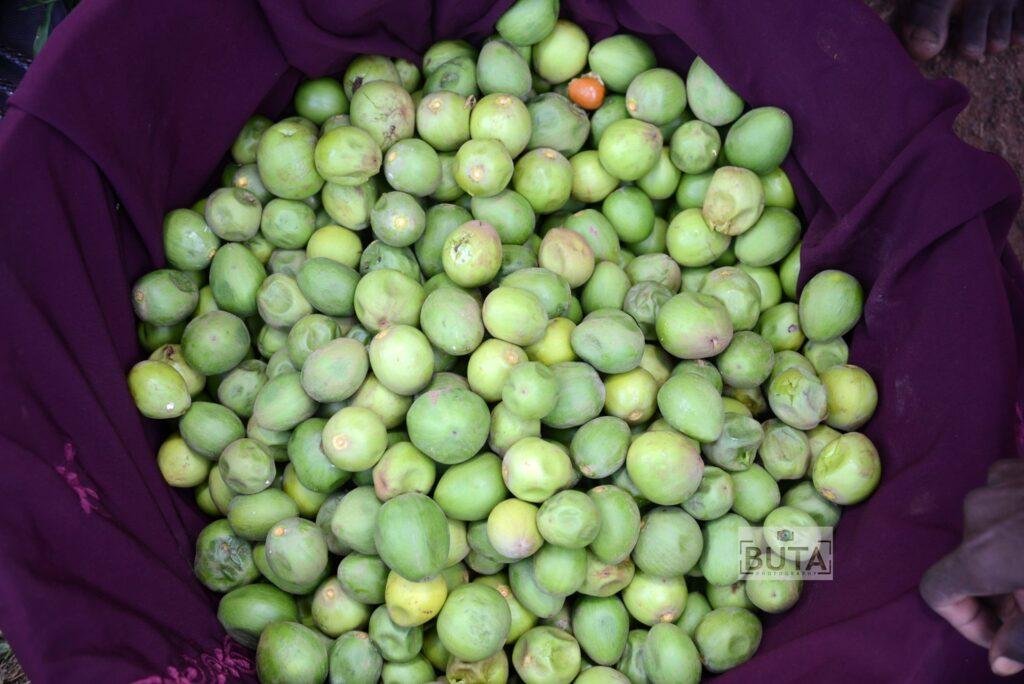
Rahama, a market woman at the Tamale Central market, said she sells a bowl of shea fruit for between GH¢5 and GH¢10, depending on the size.
She also mentioned that though the price is peanut, comparing the risk of gathering them in the bush, it helps to buy soap or pay for the children’s school needs.
“Shea butter brings bigger income later, but the fruit gives us quick cash,” she said.
Speaking to Musah Alhassan from Tolon, a 29-year-old farmer, he stated that he eats the fruit almost every day because of the health benefit.
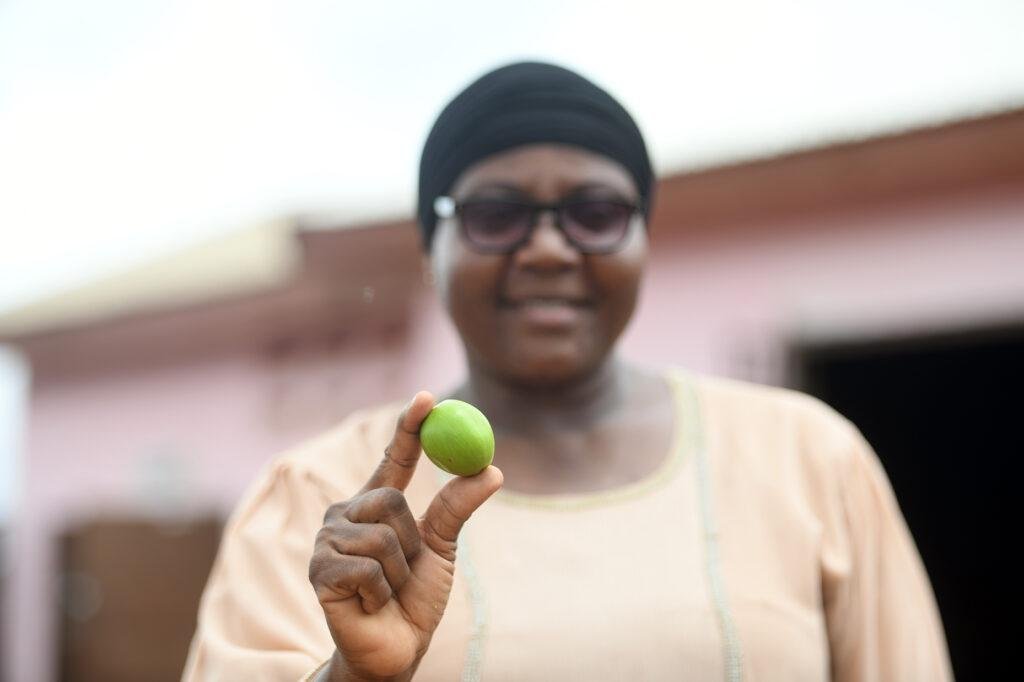
He said, unlike sweets, it doesn’t leave you thirsty or tired during the season, saying that, “we grew up eating shea fruit every year. It makes you strong, gives you energy for the farm, and you hardly fall sick during the season.”
Mr Eric Banye, an Industry expert says the fruit deserves more recognition for its nutritional and economic potential. He also stated that the shea tree is celebrated globally for its butter, but the fruit is an overlooked treasure.
“It provides rural households with vitamins, quick income, and food security during the lean season. Promoting shea fruit consumption could add another dimension to the value chain while preserving cultural traditions,” he explained.
He stated that by continuous protection, over 5,000 hectares of shea trees destroyed annually for charcoal will be saved as the Northern region battles desertification.
Beyond its sweetness, the shea fruit is packed with vitamins and minerals, particularly vitamin C and potassium, which support immunity and heart health. It also contains natural antioxidants that help the body fight inflammation.
Furthermore, Mr Banye noted that, comparatively, the shea butter lasts for months, but the fruit must be eaten within days when it matures because it spoils quickly, making it a gift best enjoyed under the very tree that bore it.
This fleeting nature adds to its charm, reminding locals that the shea tree doesn’t only add economic resource but also a seasonal source of nourishment and pleasure.
In the rush for shea butter exports, the humble fruit is often overlooked. But in Northern Ghana, its short-lived sweetness, its hidden health benefits, and its modest economic value remain a cherished taste of home.
From: Geoffrey Buta, Tamale
Join our WhatsApp Channel now!
https://whatsapp.com/channel/0029VbBElzjInlqHhl1aTU27