Features
Promoting our local dishes: The cultural cost of the ‘Continental’ diet

The landscape of the Ghanaian palate is shifting, and not necessarily for the better. In our bustling urban centres, from the streets of Accra to the suburbs of Kumasi, a quiet culinary revolution is taking place; one where the mortar and pestle are being replaced by the pizza oven and the deep fryer. This transition from traditional staple foods like fufu, banku, akple, kenkey, tuo zaafi, and ampesi toward “continental” dishes is more than just a change in appetite; it is a reflection of a deeper social struggle with identity and prestige.
The illusion of modernity
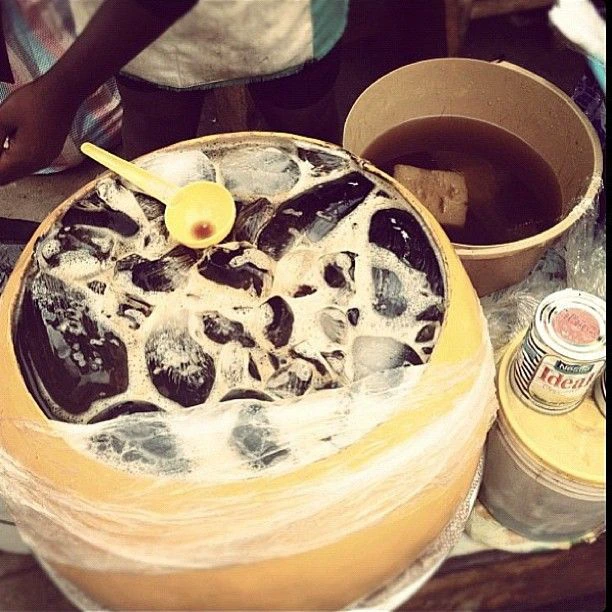

For many, “stepping out” for a meal has become synonymous with consuming foreign cuisine. There is an unspoken social hierarchy where a bowl of Abunuabunu is relegated to the village category, while burgers, pizzas are branded as prestigious choices. We have reached a stage where we equate foreign with modern and local with primitive.
This perception is a dangerous illusion. Our traditional dishes are marvels of culinary engineering complex, nutrient-dense, and deeply rooted in our history. When we choose a processed foreign import over a meal made from local tubers or fermented maize, we are not just changing our lunch; we are eroding the indigenous knowledge attached to our local ingredients and foods.
We need to turn the consumption of indigenous grains and tubers like millet, sorghum, and plantain into a statement of self-worth and national pride.
The cultural and health erosion
Every time a local dish disappears from a restaurant menu to make room for foreign fast food, we lose a piece of our cultural fabric. Traditional Ghanaian cooking is an art that requires patience and skill. By choosing the convenience of foreign fast food, we are raising a generation that may know the taste of a pepperoni pizza but cannot identify the rich, earthy profile of Prekese or the subtle tang of well-fermented dough dishes like corn porridge, banku, etew, abolo, agidi or kamfa, and kenkey.
Furthermore, we are at the crossroads of a nutrition transition. Replacing high-fiber, indigenous crops with calorie-dense but nutrient-poor foreign fast foods is driving a rise in lifestyle diseases such as obesity, hypertension, diabetes, stroke, cancer, and liver disease. We are trading our longevity for 15-minutes convenience or unhealthy diet.
A call for culinary patriotism
It is time for us to appreciate, preserve, and promote our indigenous foods and culinary traditions. We need to be proud of our local dishes, ingredients and cooking methods, rather than relying heavily on foreign or imported foods. We must stop viewing our local delicacies as low-class and start treating our culinary heritage as the high-end gastronomy it truly is.
True sophistication does not come from imitating Western fast food; it comes from innovation and adding values to our own resources. We see glimpses of this potential in the rise of branded Sobolo and the creative use of gluten-free plantain flour in modern baking of flour-based dishes such as bread, cakes, biscuits and others. This is the path forward. We must elevate our local dishes, making them as accessible, affordable, presentable and trendy as any foreign alternative.
To the hospitality industry: Innovate or stagnate
Our hotels and high-end restaurants must lead the charge. They must stop relegating local dishes to the “traditional corner” of the buffet, and apply the same culinary finesse given to imported dishes to our Fante Fante, apapransa, aborbi tadi, fetritoto, akple, abolo, yakayeke, fufu, ampesi, kokonte, wasawasa, tubani, apapransa, mpotompoto, kelewele, aliha, brukutu, pito, and other local dishes. The industry must enhance customer experiences making eating local dishes the ultimate luxury experience for both tourists and residents alike. We must elevate the presentation of our foods by using modern plating techniques to show that a bowl of light soup can be as visually stunning as a French consommé. We need to reclaim our Ghanaian plate before it is too late.
To the policy makers: Let us encourage buying of local ingredients to promote the local food industry and economy. There should be educational programmes and talks about the nutritional and cultural benefits of local foods so that people understand their value.
We need to encourage serving traditional dishes at school programmes, parties, and celebrations instead of only fast foods,
To the Youth: Let us value and appreciate our traditional dishes instead of always choosing foreign foods. There must be balance in our choice of local and foreign dishes. Confidence in our culture encourages others to respect it too. Our local dishes can also be promoted by sharing pictures, recipes, and videos on platforms such as Instagram, TikTok, and WhatsApp to make them attractive and trendy.
Young citizens must learn from their parents and elders how to prepare local meals to keep the knowledge and cultural relevance alive. Local dishes can be modernised to appeal to younger generations and tourists.
Conclusion
We cannot afford to trade our heritage for foreign cuisines which are gaining grounds across the country at an alarming rate. We must disabuse our minds of the perception that anything foreign or imported is better than those locally made. Our health, economy, and identity are tied to the soil. It is time to stop apologising for our local flavours and start celebrating them. It is possible to embrace modernity without losing ourselves and our cultural identity. Let us make the Ghanaian kitchen the heart of our modern identity once again.
By: Marilyn Gadogbe