Features
Harmattan season

Harmattan can cause chapped lips
Harmattan per the Oxford Learners Dictionary is defined as a very dry, dusty easterly or north-easterly wind on the West African coast, occurring from the end of November to the middle of March which blows from the Sahara over West Africa into the Gulf of Guinea.
In the affected countries, the heavy amount of dust in the air can severely limit visibility and block the sun for several days, comparable to a heavy fog. This effect is commonly known as the Harmattan haze.
It costs airlines millions of dollars in cancelled and diverted flights each year. When the haze is weak, the skies are clear. The extreme dryness of the air may also cause branches of trees to die.
The air is particularly dry and desiccating when the Harmattan blows over the region. It brings about desert-like weather conditions including lowering humidity, dissipating cloud cover, preventing rainfall formation and sometimes creating big clouds of dust which can result in dust storms or sandstorms. The wind can increase fire risk and cause severe crop damage.

Features of Harmattan
This season is characterised by cold, dry, dust-laden wind, and also wide fluctuations in the ambient temperatures of the day and night. Temperatures can easily be as low as 9 °C (48 °F) all day, but sometimes in the afternoon, the temperature can also soar to as high as 30 °C (86 °F). The relative humidity can drop under five per cent
Signs and symptoms people experience during harmattan
- Nosebleeds due to the lowering of water in the atmosphere to as low as 15 per cent
- Dryness of skin, chapped lips and other skin conditions such as eczema
- Difficulty breathing
- Wheezing and acute Asthmatic attacks
- Sneezing
- Runny nose
- Nasal congestion
- Cough
- Sore throat
- Dry and itchy eyes
- Vaso-occlusive crises in people with Sickle cell disease
Preventive measures to take during harmattan
To sail through the harmattan season it is important to look out for yourself. You can do this by;
- Ensure you take lots of fruits and vegetables with Vitamin C to help boost your immunity and protect you from infection.
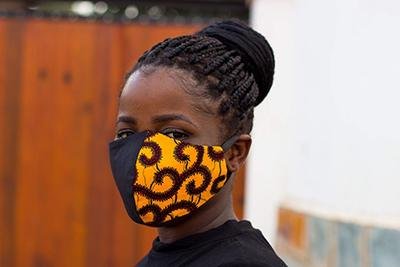
- Wearing a nose mask when out and about in town or open places to prevent inhaling the dust.
- Increasing your fluid intake, especially warm liquids. Stay hydrated and drink a minimum of two litres of water per day.
- When going outside, wear warm clothes with few layers of clothes which work better than a single thick item because air is trapped in them, thereby keeping you warm.
- Make sure you protect your skin, including your lips, hair, and body, with oil-based products such as locally made shea butter (highly utilised for centuries in Ghana). Shea butter does not obstruct the skin pores, what it does rather is create a thin protective layer on the skin which will protect you from the dust as well as the sun. Regular showers are also recommended.
- Eating hot food is great for cold weather. It warms you up and fills your stomach, also ensuring that bacteria and viruses do not thrive in your belly.
- Watch out for fire outbreaks. Fire outbreaks are usually common during harmattan and the reason is not far-fetched: the dry atmosphere aids rapid spread of fire. The simple way of staying safe during this period is to be more conscious of possible causes of fire outbreaks.
References
http://www.sudrex.com/read/tips-and-articles/What-To-Do-And-Avoid-During-Harmattan-Season
BY
DR NANA KOFI OSEI
(BSC, MBChB, GMC CERTIFIED)