Commerial sexual exploitation: About 100,000 children affected

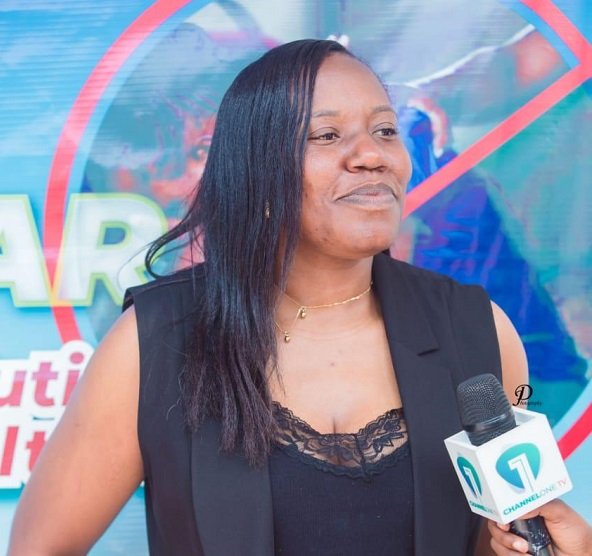
Mrs Abena Anobea Asare
About 100,000 children in Ghana are sexually abused and exploited mainly for profit, a study from the Ministry of Gender, Children and Social Protection (MoGCSP), has revealed.
The number falls short of the global figure of 4.8 million people who are exploited with women and children in the majority while 30 per cent of all victims are from Africa.
The culprits behind this exploitation keep the business flourishing with the children charging between GH¢3.00 and GH¢2,000 depending on how well they negotiate.
Ms Abena Anobea Asare, a Director of Human Trafficking Unit at the MoGCSP, made this disclosure last Tuesday, at a workshop organised by the Public Health Nurses’ School at Korle-Bu in Accra.
It was on the theme ‘Child prostitution, a public health concern.’
By definition, she described prostitution as ‘selling’ one’s body or receipt of money on behalf of someone in exchange for sex and other sexual related activities.
She stated that child prostitution was the worst form of child labour and a crime, mentioning Section 91(2) of Act 560 of the Children’s Act and Article 3a and 3b of the International Labour Organisation (ILO) Convention 182 which describes it as a hazardous work.
She identified pressure from family members for children to bring money, illiteracy, school dropout, ignorance, domestic violence, broken homes, insecurity, globalisation, internet access and improper use of technology as well as weak border control were factors that has contributed to the child sexual exploitation.
She said it was difficult for victims of child prostitution to quit the act because of peer pressure, induced drug addiction and dependencies, economic necessity, seized documents and lack of access to communication.
According to Ms Asare, the act was abusive, hazardous and does not allow the child to benefit fully from school due to various forms of trauma, self-lost, working for long hours and denial of night sleeps.
“It steals the childhood of the child,” she said, adding that, it was exploitative which deprives the person of his or her basic human rights.
According to her, commercial sex exploitation of children can take place at brothels, on the street, homes of people who brings ‘customers’ to take a percentage of the profits from the sexual activities.
“Occasionally, a pimp is a family member of the victim, brokering the sexual favours of their daughter or niece for financial gains,” Ms Asare added.
According to her, the practice had become a public health issue due to its negative impact on the child, family and effects on the society and the country at large.
In an attempt to address the challenge, she said her outfit was involved in awareness creation, and capacity building for children, parents and other stakeholders.
Also, she said the ministry was involved in rescuing, rehabilitating and reintegrating victims into the society while pimps or hookers are punished or convicted when caught.
By Jemima Esinam Kuatsinu