News
Cassava leaves, vital but ignored nutrition treasure – Scientist


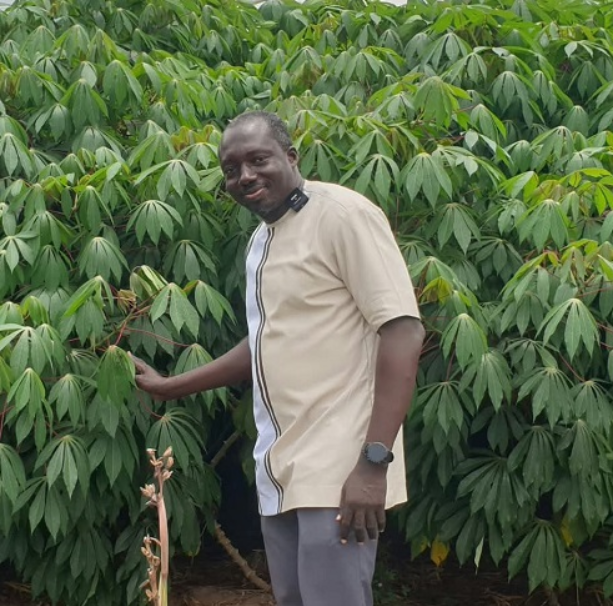
With over one million hectares of farmland across Ghana currently devoted to cassava production, the nation is harvesting tens of millions of metric tonnes of starch every year.
Yet, across the major farming belts, an overlooked nutrition powerhouse – the cassava leaf, is being left to wither on the stalk.
While the private sector focuses overwhelmingly on the multi-million-cedi market for fresh cassava dough, industrial starch, and gari, top agricultural scientists and nutritionists warn that ignoring the green cassava leaves was a major missed opportunity for national nutrition and economic growth.
This was disclosed by Dr Kwaku Owona Hwesofour Asante, a Research Scientist and Principal Investigator for Agroecology and Circular Economy Systems Services at the CSIR-Crops Research Institute (CRI).
He made the disclosure when he spoke on the immense economic and nutritional potential of the cassava crop in an interview, following a workshop on Geophysics for Climate-Smart Agriculture last Wednesday.
He emphasised that traditional habits have long overlooked the cassava leaf which he described as a vital resource in nutrition.
According to Dr Asante, “our upbringing did not incorporate cassava leaf consumption. Most people grew up knowing cassava primarily for its starchy roots, but research and neighbouring cultures have proven that the leaves are exceptionally rich in proteins and antioxidants.”
According to Dr Asante, cassava leaves boast a crude protein content ranging between 17 per cent and 38 per cent on a dry weight basis. Crucially, while every human body requires 20 amino acids to build tissue and maintain health, cassava leaves alone can supply more than 10 of these essential building blocks.
“Every human being needs 20 amino acids, and cassava leaves can produce more than 10 of them,” Dr Asante noted. “If you are enjoying cassava leaves, it is just like eating fish or eggs for protein.”
Beyond combatting malnutrition, utilising cassava leaves offers a compelling business case for private enterprise. In a circular agro-economy, harvesting the canopy alongside the root doubles a farmer’s output without requiring extra land, fertilisers, or water.
While raw leaves contain natural cyanogenic glucosides that require proper processing—specifically pounding and boiling for 15 to 20 minutes to neutralise toxicity—processed leaves can be commercialised into frozen culinary greens, dried protein powders, or livestock feed concentrates.
According to Dr Asante, key policymakers have already been made aware of the vast nutritional and economic benefits of cassava leaves.
Researchers at the CSIR-Crops Research Institute remain optimistic that these leaders will escalate the issue directly to the government, ensuring policy action was taken to elevate cassava leaf consumption onto the national food programme.
FROM KINGSLEY E.HOPE, KUMASI
SKIP THE QUEUE, TAP THE NEWS


You can now read the Ghanaian Times and The Spectator newspapers from the comfort of your device via TimesNewsPlus.
Join our WhatsApp Channel: https://whatsapp.com/channel/0029VbBElzjInlqHhl1aTU27