Profile
A century of faith, service: The remarkable journey of Charles Baako Moses

At 100, Charles Baako Moses is more than a centenarian. He is a living witness to a century of Ghana’s history and a man whose life has been defined by faith, leadership, enterprise and service.
As he celebrates this extraordinary milestone, the General Overseer of The Holy Church of God looks back on a remarkable journey that has touched generations and contributed to the growth of an enduring religious institution.
His story is one of longevity, but more importantly, it is a story of impact.
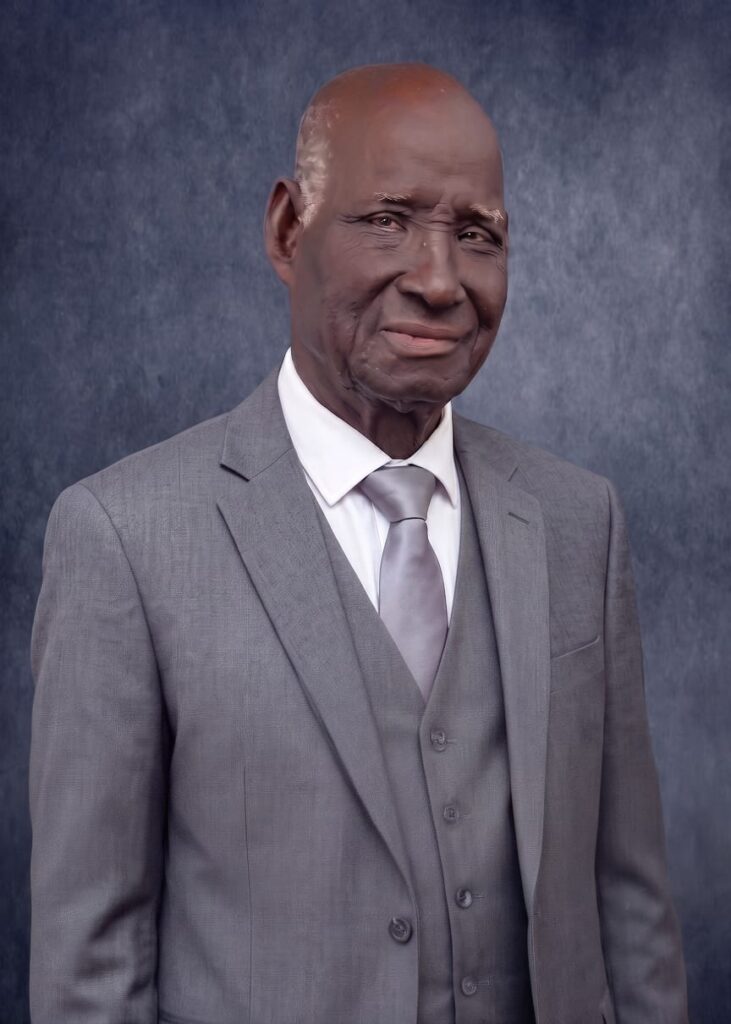

Born in 1926 at Saltpond, Mr Moses was the son of Ghana’s first African Director of Prisons. At the age of seven, his grandmother took him to Accra, where he spent part of his childhood and played football at Mabona in James Town.
His life has also been intertwined with some of the defining moments in Ghana’s history. In 1939, as a young boy, he experienced the earthquake that shook parts of the country. Years later, on March 6, 1957, he was among schoolchildren who marched at the Old Parliament House to mark Ghana’s independence.
One of the defining chapters of Mr Moses’ life is his role in establishing The Holy Church of God at Parakuo Estates, Dome.
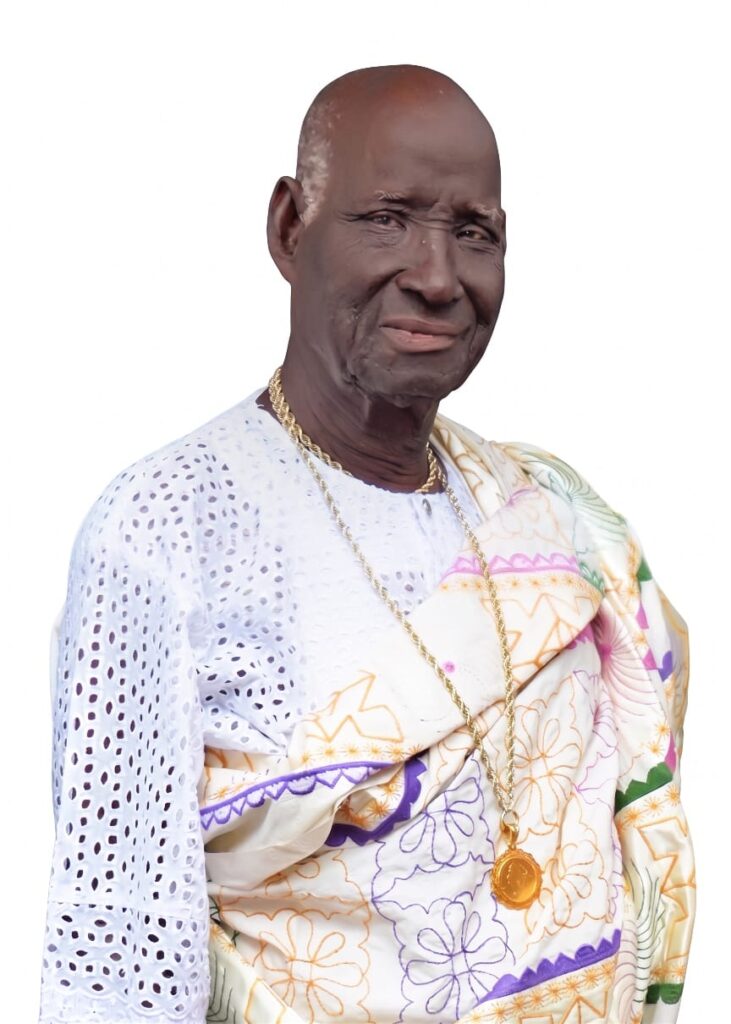
Together with his father, he helped build the fellowship from its formative years into an institution that would stand the test of time.
The fellowship attracted a number of prominent personalities in Ghana’s political history, including Ako-Adjei, Gbedemah, Dr Kwame Nkrumah and Victor Owusu.
Their association with the fellowship reflected the important role religious institutions played in Ghanaian society, particularly during the country’s formative years.
The Holy Church of God celebrated its 70th anniversary last year, marking seven decades of worship, service and community life.
For Mr Moses, the longevity of the church represents more than an institutional achievement. It is the fulfilment of a vision nurtured through years of commitment, sacrifice and perseverance.
Long before becoming General Overseer, Mr Moses was already combining faith, education and enterprise. He founded evening classes and taught, while also preaching from village to village with a lamp and a bell at nine o’clock every night.
He also helped establish a Baptist church and ventured into agriculture, planting cocoa, plantain and coconut. His entrepreneurial spirit later saw him build a juice business using oranges from his own farm.
As General Overseer, Mr Moses has provided steady leadership to the church, guiding both its spiritual and administrative affairs.
His leadership has been shaped by experience, discipline and a strong sense of responsibility. Over the years, he has nurtured generations of church members and leaders, helping to preserve the institution’s values while guiding it through changing times.
His wisdom and humility have earned him respect, while his perseverance has enabled him to remain committed to the institution he helped build.
Mr Moses’ contribution extends beyond religious leadership. He has also distinguished himself through entrepreneurial activities in transport, agribusiness and manufacturing.
His involvement in these sectors demonstrates his appreciation of enterprise and the importance of creating opportunities through productive economic activity.
His entrepreneurial vision has added another dimension to a life already marked by spiritual and institutional leadership.
Mr Moses has devoted his lifetime to faith, family and community service and development. He is also regarded as a mentor and role model to many, as well as a life coach, researcher, philanthropist and humanitarian.
Through his philanthropic activities, many people have experienced what his profile describes as new life, salvation and hope.
He is a family man and a father of seven children, adding family to the institutions and communities that have benefited from his lifetime of leadership and service.
Mr Moses’ contribution to leadership and institutional development has also received academic recognition.
He holds an Honorary Master of Business Administration (MBA) from Cambridge International College (CIC), an honour recognising his contributions to leadership and institutional development.
Turning 100 is a rare achievement, but Mr Moses’ centenary carries added historical significance because his life has unfolded alongside major chapters in Ghana’s development.
He has witnessed the country move from colonial rule to independence and through decades of political, social, economic and technological transformation.
His association with personalities such as Dr Kwame Nkrumah, Ako-Adjei, Gbedemah and Victor Owusu places aspects of his personal journey within Ghana’s broader national history.
His life therefore offers younger generations an opportunity to appreciate how much society has changed and to learn from the values that enabled his generation to build institutions under very different circumstances.
Over the years, he has provided spiritual and administrative leadership to generations of believers, pursued business interests across several sectors and remained committed to family and community.
His centenary is not only a personal celebration but also a celebration of an institution and generations of people whose lives have been influenced by his example.
For the younger generation, Mr Moses’ centenary also comes with a message shaped by a lifetime of experience.
He advises the youth to listen to their parents, noting that their guidance comes from experience, love and a desire to see them succeed. He urges young people to remain disciplined, work hard, value education and surround themselves with positive influences.
“The choices you make today will shape the future you enjoy tomorrow,” he counsels.
Charles Baako Moses enters his second century with a legacy firmly established.
His centenary is also marked by another honour, as he is set to receive an Honorary Doctor of Humane Letters (Honoris Causa) and have his name included in the institution’s Hall of Fame, further recognising a lifetime of faith, leadership and service.
By Spectator Reporter