Nutrition
Old Ghanaian meal


When a non- Ghanaian comes on a tour and asks for our local dishes, one will not hesitate to mention the likes of fufu, banku, waakye, aprapransa, ‘gari foto’ and ‘mpotompoto.’
These could be the dishes we are familiar with. What of the very ones which names are barely mentioned?
They are as follows:




Abekatekonto: It is a combination of three local soups – palm nut soup ‘Ab3’, groundnut soup ‘Kate’ and ‘Kontomire soup’. This soup combination is best served with ‘omutuo’ (rice balls), banku or gari.
Brodokuno: It is prepared with a mixture of ripe and unripe plantain this meal is best served in neat plantain leaves with palm nut soup.
Wasawasa: Wasawasa is a popular staple made from yam in some parts of northern Ghana.
It is served with sheabutter oil and onions. It is delicacy for the people of the northern region.
Yumbeka: This is not a foreign name. It is a local dish made out of bean leaves best known for its nutritious contents.
Kwankwan: The name of this dish was coined out of the noise food vendors make whenever they serve their buyers. It is similar to the best known waakye but made from local rice and served with a spicy tomato sauce.
Source: yen

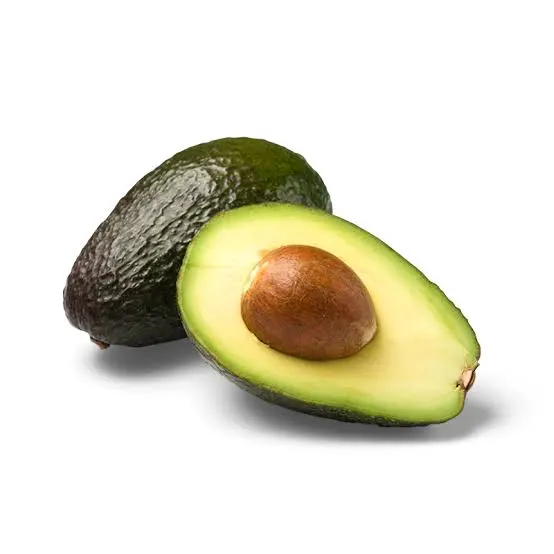
Avocado is a healthy addition to our diet, offering a rich blend of essential nutrients, heart-friendly fats, and fibre that support overall well-being.
Avocado is not merely a trendy fruit; it is a nutrient-packed powerhouse that can transform your breakfast into a healthy and satisfying meal.
From enhancing your energy levels to supporting overall well-being, here are eight detailed benefits of incorporating avocado into your morning routine:
-Rich in essential nutrients
Avocados are a treasure trove of vital vitamins and minerals. They are an excellent source of potassium, which supports muscle function and helps regulate blood pressure. Additionally, they contain vitamin K, crucial for blood clotting and bone health, vitamin E, a potent antioxidant, and B vitamins, which are essential for energy production and brain health.
– Promotes heart health
Avocados are abundant in heart-healthy monounsaturated fats, which can help lower levels of harmful cholesterol while increasing beneficial cholesterol. Regular consumption of these healthy fats as part of a balanced diet may reduce the risk of heart disease and improve overall cardiovascular health.
– Provides sustained energy
Unlike sugary breakfast options that can lead to an energy slump later in the day, avocados provide a steady source of energy. Their combination of slow-digesting healthy fats and dietary fibre keeps you feeling full and energised throughout the morning, making them an ideal choice for busy days.
– Aids in weight management
Despite their relatively high caloric content, the healthy fats and fibre in avocados can promote a feeling of fullness, helping to reduce overall calorie intake. This makes them an excellent option for those seeking to manage their weight without resorting to restrictive diets.
– Supports digestive health
Avocados are rich in dietary fibre, which plays a crucial role in maintaining a healthy digestive system. Fibre promotes regular bowel movements, prevents constipation, and supports the growth of beneficial gut bacteria, contributing to overall digestive wellness.
– Improves skin health
The healthy fats, vitamin E, and antioxidants found in avocados are highly beneficial for skin health. These nutrients help to nourish and hydrate the skin from within, protect against damage caused by free radicals, and promote a natural, radiant complexion.
– Boosts cognitive function
The fats in avocados, along with their high folate content, support brain health. These nutrients are associated with improved cognitive function and may reduce the risk of neurodegenerative diseases such as Alzheimer’s. Including avocado in your diet can help keep your mind sharp and focused.
– Highly versatile and delicious
Avocados are incredibly versatile and can complement a wide range of breakfast dishes. Their creamy texture and mild, buttery flavour make them an deal addition to sweet and savoury meals alike. Pulse.gh
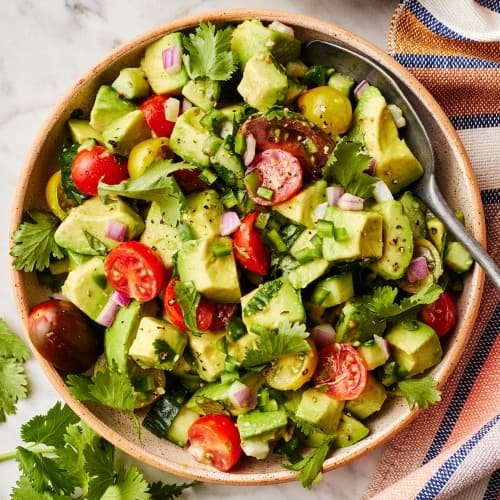
Ingredients:
-3 ripped avocado pears
-2 large tomatoes
-Sliced spring onions
-2 Cucumbers
– 1 tin of sardine
-1 tin of tuna flakes
-2 tablespoonful of olive oil or mayonnaise
-Salt to taste
Preparation
-Wash and chop all vegetables
-Place the cubed avocado pear, tomatoes, onion, and cucumber into a large bowl
-Add tuna, sardine and sprinkle Olive oil and Mayonnaise to the mixture
– Add salt and mix gently to avoid mashing the avocado too much
-Serve immediately with rice or as a side dish
ByLinda Abrefi Wadie

 News4 days ago
Ghana’s Chris Koney participates in high-level dialogue at Africa Forward Summit 2026
- News1 week ago
Isaac Adongo defends BOG Governor, says Ghana “in safe hands”
- Features4 days ago
Fix It Fast or Lose Them Forever: The Ever-Rising Importance of Service Recovery in Competitive Industries